Bathroom vanity installation in Tampa, FL.
A bathroom vanity installation is a small job that goes wrong in small ways. A top that is not level. A gap at the wall you can see from the door. A drain that does not line up with the drawers. Done right you get a vanity that looks like it grew there and a plumber's connection that does not drip. Done wrong you get a drawer that hits the trap. The difference is decided before the vanity is bought.
Priced by written scope, never by the hour.
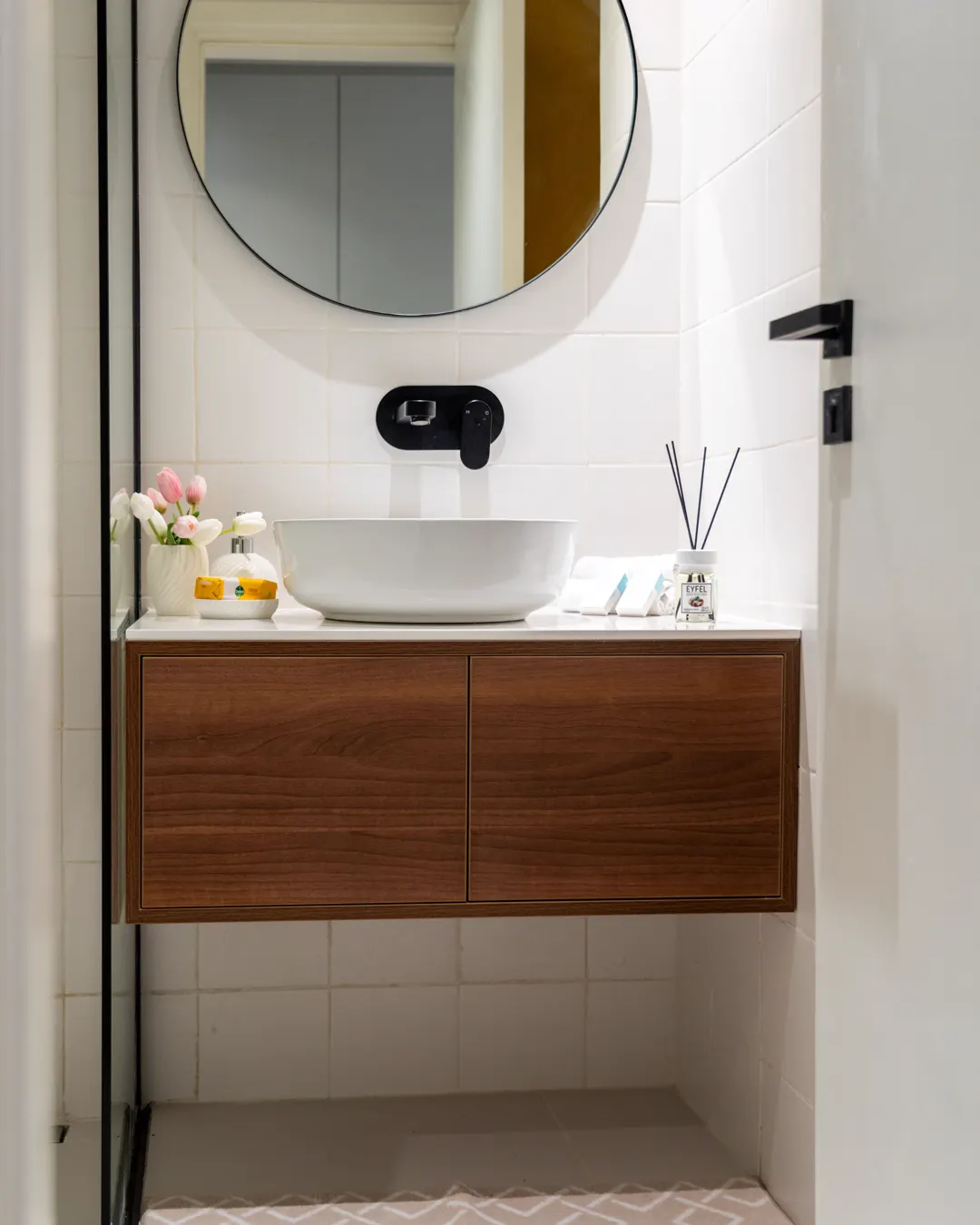
The drain decides which vanities fit. Check it first.
Vanity pages show sinks and mirrors. None of them tells you this. The drain and the two supply lines come out of the wall in a fixed spot. The new vanity has to work around them. Here is what to look at before you buy one.
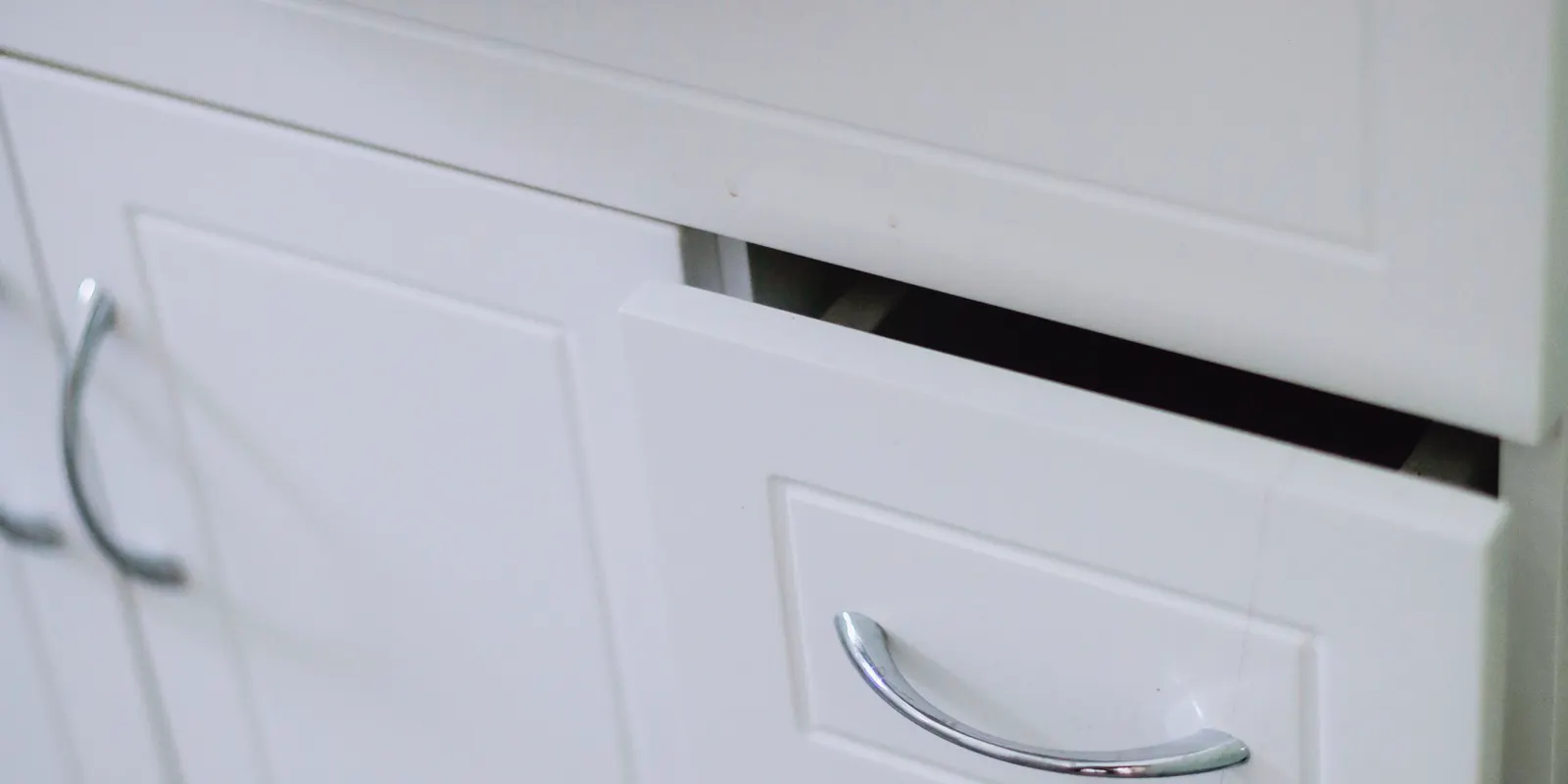
Where the drain comes out, and how high
Open the old vanity and look at the wall. The drain is a pipe, usually in the middle, at a set height. A vanity with a full drawer at that height will not close. A vanity with a false front or a cut-out drawer will. Measure it and bring the number.
Wall mount or floor mount
A floating vanity hangs on the wall and needs blocking in the studs. A floor vanity sits on the tile and needs a level floor. Both work. Both need the right wall behind them. We check which one your bathroom can carry.
One sink or two
A double vanity needs two drains or a shared one, and the plumber decides which. On a 60 inch run it fits. On a 48 inch run it fights for space. The plumber's line changes with the answer, so settle it before the order.
The top and the faucet holes
A top comes with one hole, three holes or none. The faucet has to match. A widespread faucet needs three holes at 8 inches. A single hole faucet needs one. The wrong pair sits in the box until the right one arrives.
The plumbing decides the price. The vanity decides the rest.
Two vanities the same size can price far apart. Here is what actually moves the number on a vanity installation.
Same spot, or a new spot
A vanity in the same place uses the drain and supplies that are there. A plumber reconnects, and that is the small line. Moving the sink a foot means opening the wall and moving the drain. That is the big line, and it is the plumber's.
The wall behind the old one
Old vanities hide water damage. Soft drywall, a stain, a floor that gave. If the wall is sound the job is one day. If it is not, the wall gets fixed first, as its own line. You see it before it is priced.
The vanity itself
A stock vanity with the top on it is the bottom of the range. A custom cabinet with a stone top cut for it is the top. The install cost is close either way. The unit is what moves the total.
Tile, paint and the mirror
A bigger vanity covers less wall than the old one, or more. Sometimes the tile behind it stops short and shows. Sometimes the mirror is too small now. Both are their own lines, and we tell you on the walkthrough if they are coming.
What gets settled before the old one comes out.
The price is written before the work starts. These are the things that get settled first, because they are what make the number hold.
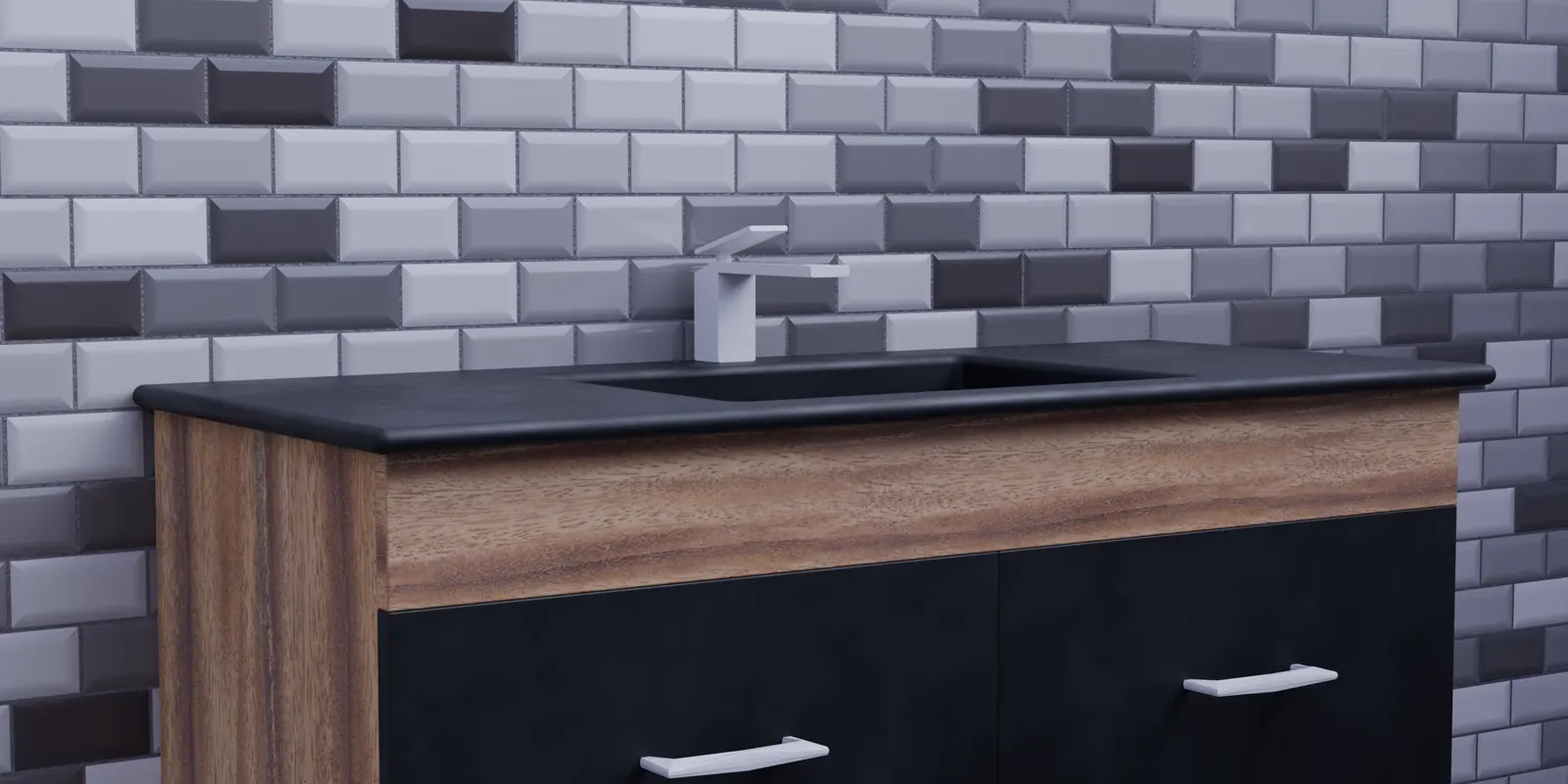
A walkthrough of the bathroom
We open the old vanity and look at the drain, the supplies and the wall. We check the floor for level and the wall for flat. We measure the run and the door swing. It takes half an hour. Everything in the scope comes from that.
The vanity chosen against the wall
Width, depth, height, where the drawers sit, one sink or two, top and faucet holes. We check the drawing against the drain before you order. What fits on paper fits on the wall.
The plumber named in the scope
Disconnect and reconnect, or a moved drain. Either way the licensed plumber is named with their own line. You know who is doing that part before anyone shows up.
A written scope, line by line
Old vanity out and hauled, wall repair if any, the new one set and sealed. The top, the faucet, the plumber's work. What is in, what is not. The not in list is the honest part.
One closed price, with milestones
One number for the written scope. On a one day job it is usually two stages. Signing, and the final walkthrough with water running. You pay for what exists in the bathroom.
What is included, and where it ends.
Every vanity scope on this site says where it stops. These are the boundaries we put in writing before anyone starts.
How long the bathroom is a job site.
A vanity in the same spot is one day. Out in the morning, set by noon, the plumber in the afternoon, water running before dinner. A moved drain or a wall repair adds a day or two, and the plumber's part is inspected in between. Your scope has the dates.
When we tell you not to do it
A vanity swap is sold as an afternoon. Usually it is. Sometimes the wall or the plumbing makes it a bad idea. Nobody says so until the old one is out. Here is where we say no, and why.
The floor under the old one is soft
A vanity that leaked for years takes the subfloor with it. A new vanity on a soft floor sits crooked and sinks. We fix the floor first, as its own line, or we do not set the box on it.
The vanity you picked fights the drain
Full drawers where the trap is. A floating vanity on a wall with no blocking. We tell you before the order. There is almost always a vanity that looks the same and fits. We will point at it.
The shutoff valves do not shut
Old angle stops seize. If the plumber cannot shut the water at the wall, the job stops until they are replaced. It is a small line, and it goes in the scope the day we see them, not on install day.
The whole bathroom is the real job
If the tile is failing and the tub is next, a new vanity is money spent twice. We send you to the bathroom pages. We would rather do the right job once.

Lifetime warranty on our workmanship.
If the work we did fails, we come back and fix it. That holds for as long as you own the home. On a vanity installation it covers what we set and sealed. The cabinet, the top, the anchors and the seal at the wall.
A warranty is only worth what its exclusions say. Ours are above, in the same size type as the promise. Ask whoever you are talking to how long theirs runs, and get the number in writing.
Questions we actually get asked
Can you install a vanity I already bought?
Yes. Bring the box and the drawing. We check it against the drain and the wall on the walkthrough. If it fits, we set it. If it does not, we tell you before it comes out of the box, and what would.
Do you do the plumbing?
The licensed plumber named in your scope does. Disconnect, reconnect, new stops if they are seized. We set the vanity and the top so the plumber has a clean connection to make. Both parts are in one written price.
Do I need a permit to replace a vanity?
A vanity in the same spot, with the drain where it was, is a fixture swap and usually needs none. If the drain or the supplies move, that is the plumber's work and the plumber pulls the permit for it. It is named in your scope with the fee as its own line, at cost.
How long is the bathroom out of use?
One day for a swap. You have water in the rest of the house the whole time. The plumber shuts the bathroom stops, not the main, unless the stops are seized. Then it is an hour at the main and we tell you when.
Floating or on the floor?
Floating looks lighter and makes the floor easier to clean. It needs blocking in the wall, and if there is none we open the wall to add it. On the floor is simpler and hides an uneven tile. Both are fine. The wall decides.
What makes the price go up after signing?
Only a change you ask for, or hidden damage we could not see. A change is priced in writing before it happens. Hidden damage is priced only after it is visible. Nothing else moves the number.
The other cabinet services

Where we work
Hillsborough, Pinellas, Pasco, Manatee and Sarasota counties. If your town is not on this list, call and ask: the answer is often yes.
A walkthrough, then a written scope with one closed price.
Never hourly, never a verbal figure, and our workmanship carries a lifetime warranty. Hillsborough, Pinellas, Pasco, Manatee and Sarasota counties.