Custom built-ins in Tampa, FL.
A custom built-in is a cabinet that pretends to be part of the house. Boxes below, open shelves above, and trim that runs into the baseboard and the crown. You cannot tell where the wall stops. Done right it adds a room's worth of storage and looks like it was always there. Done wrong it looks like a bookcase pushed against a wall with a gap at the top. The difference is the trim, and the trim is decided on paper.
Priced by written scope, never by the hour.
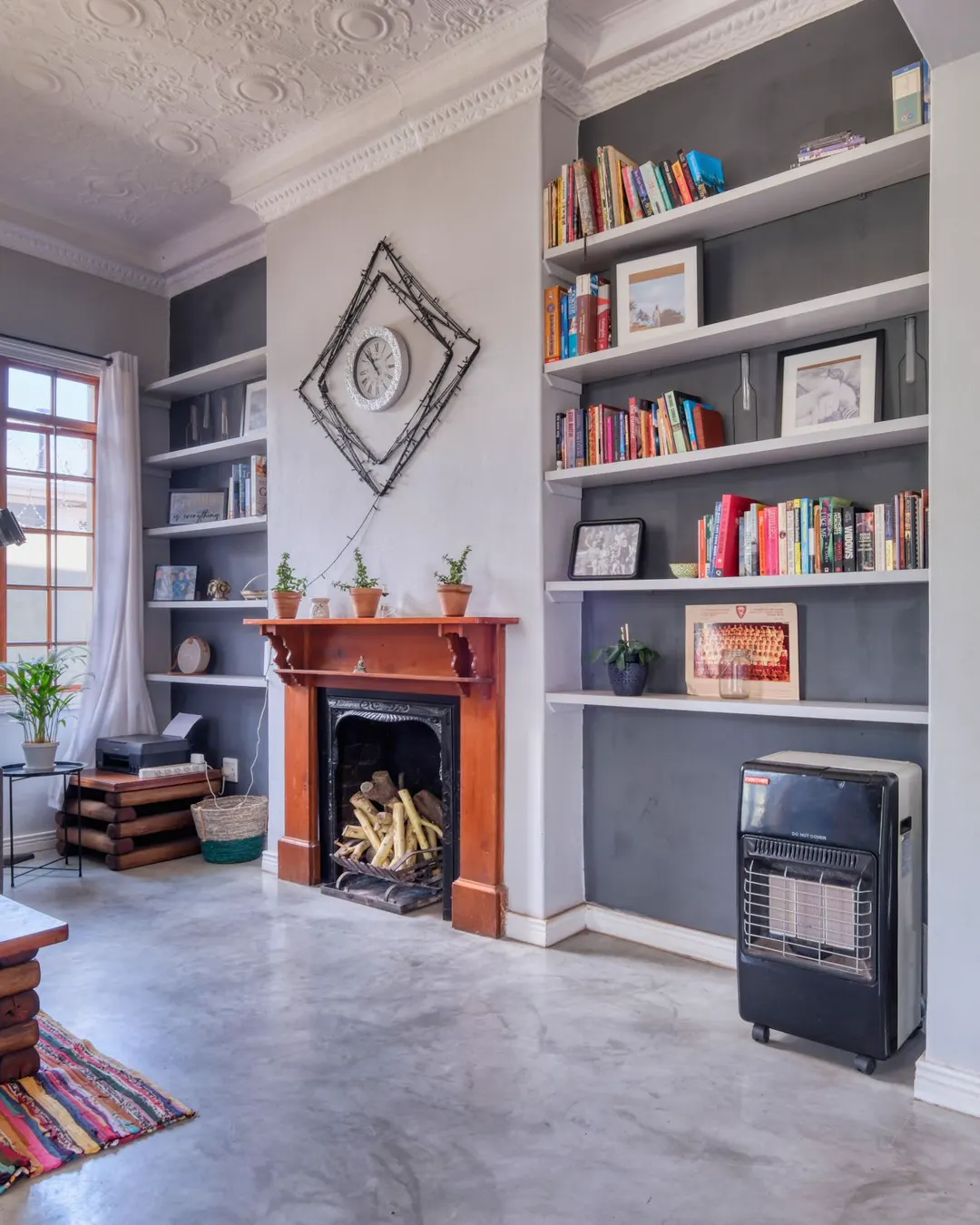
What makes a built-in look built in.
Built-in pages show a wall of white shelves. None of them tells you why it looks that way. Here is the difference between a bookcase and a built-in, in four details.

It runs to the ceiling, or it has a top that does
A gap between the top of a cabinet and the ceiling is where the dust lives. It is also where the eye goes. A built-in either reaches the ceiling or carries a crown that closes the gap. Ceilings in Tampa are rarely flat, so that crown is scribed to it.
The sides meet the wall with a scribe
A wall is never plumb. A box is. The strip of wood that closes the gap between them, cut to the wall's real line, is the scribe. It is a small piece and it is most of the difference.
The baseboard runs into it
The existing baseboard stops at the built-in and its profile continues across the toe kick. Or the built-in sits on a plinth that matches. Either way the line does not break. That is what tells the eye it belongs.
The power is inside it
A media wall needs outlets behind the TV and a way to run cables. A reading nook needs a lamp. The outlet goes inside the built-in, placed by the licensed electrician, so no cord runs down the front.
The feet, the doors and the trim decide the price.
Two built-ins the same width can price far apart. Here is what actually moves the number on a custom built-in.
Open shelves, or doors and drawers
Open shelving is the cheapest foot of built-in there is. Every door adds hinges, a face and an adjustment. Every drawer adds a box and a slide. A wall that is half doors below and shelves above is the usual answer, and the usual price.
Painted, or stained wood
A painted built-in can be plywood and poplar, and paint hides the joints. A stained built-in has to be the real wood all the way through, with matched grain, and every joint shows. Stain roughly doubles the material.
Around a fireplace, a window or a corner
A flat wall is the easy case. Wrapping a fireplace means two matching units and a mantel line. A window seat means a bench that carries weight and a lid. A corner means one unit meets another at a mitered line. Each adds a day.
Outlets, lighting and cable
A media wall with outlets and a cable chase, or shelves with lights in them, brings the licensed electrician. Their line is its own. Shelves with nothing in them but books do not need it, and the scope says so.
What gets settled before the first cut.
The price is written before the work starts. These are the things that get settled first, because they are what make the number hold.

A walkthrough of the wall
We measure the wall, the ceiling height at both ends, and the baseboard and crown profiles. We find the studs and any outlet, vent or thermostat in the way. It takes an hour. Everything in the drawing comes from that.
A drawing you approve
Elevation with every box, shelf, door and drawer drawn to size. The trim named. Painted or stained, and the color. You sign the drawing, and what is on it is the job. What is not, is not.
The electrician named, if there is power
Outlets, lights or a cable chase mean the licensed electrician is in the scope with their own line. Shelves alone mean no electrician, and the scope says that too.
A written scope, line by line
Removal of what is there, wall repair, the boxes, the shelves, the trim, the finish, the hardware. What is in, what is not. The not in list is the honest part.
One closed price, with milestones
One number for the written scope. Payments are tied to stages you can see. Signing, boxes built, boxes set, trim and finish, final walkthrough. You pay for what exists on the wall.
What is included, and where it ends.
Every built-in scope on this site says where it stops. These are the boundaries we put in writing before anyone starts.
How long the room is a job site.
A wall of shelves is two or three days on site once the boxes are built. A fireplace wrap or a media wall with power is a week. Building the boxes comes first, and that is one to three weeks in the shop, not in your house. Paint needs cure time before the shelves are loaded. Your scope has the dates.
When we tell you not to do it
A built-in is sold as the finishing touch. Usually it is. Sometimes the wall or the plan makes it a bad idea. Nobody says so until the trim does not fit. Here is where we say no, and why.
There is a vent, a return or the thermostat in the wall
A built-in that covers the air return starves the system. One that covers the thermostat makes the house read the wrong room. We move the built-in, or the licensed trade moves the vent as its own line. We do not cover them.
The window seat would sit on the baseboard heater or the register
A bench over a floor register sends the cold air into the cushion. We reroute the register first, or the seat goes somewhere else. It is a common plan and a common mistake.
You want stained wood and the budget is painted
A stained built-in costs roughly twice a painted one and shows every joint. If the number does not fit, we say so on the drawing, not on install day. We show you the painted version that looks right.
The wall is wet or moving
A stain, a crack that has grown, a wall that was never finished. A built-in scribed to a wall that moves opens a gap in a year. We fix the wall first, or we do not scribe to it.

Lifetime warranty on our workmanship.
If the work we did fails, we come back and fix it. That holds for as long as you own the home. On a built-in it covers what we built, set and finished. The boxes, the shelves, the trim and the finish we applied.
A warranty is only worth what its exclusions say. Ours are above, in the same size type as the promise. Ask whoever you are talking to how long theirs runs, and get the number in writing.
Questions we actually get asked
Are built-ins cheaper than furniture?
Usually not. A bookcase from a store is cheaper than a built-in that fits the wall. What you buy with a built-in is the fit. And the storage a bookcase wastes at the top and the sides. And a room that looks finished. If a bookcase would do, we will tell you.
Painted or stained?
Painted is cheaper, hides the joints and matches the trim in most Tampa houses. Stained shows the wood and roughly doubles the material. The drawing says which, with the color, and you sign it before anything is cut.
Do I need a permit for a built-in?
Built-ins alone, no. If outlets, lights or a cable chase are part of it, that is the licensed electrician's work. The electrician pulls the permit for it. It is named in your scope with the fee as its own line, at cost.
Can you build around my fireplace?
Yes, with the clearance the fireplace needs from wood, and the scope says what that is. A gas or a wood fireplace has a set distance to anything that burns. The mantel line and the two units are drawn to it.
Do you build the boxes in my house?
No. The boxes and shelves are built in the shop from the signed drawing, then brought in and set. Your house sees two or three days of trim and finish, not a week of sawdust. The scribes and the crown are the only cuts made on site.
What makes the price go up after signing?
Only a change you ask for, or hidden damage we could not see. A change is priced in writing before it happens. Hidden damage is priced only after it is visible. Nothing else moves the number.
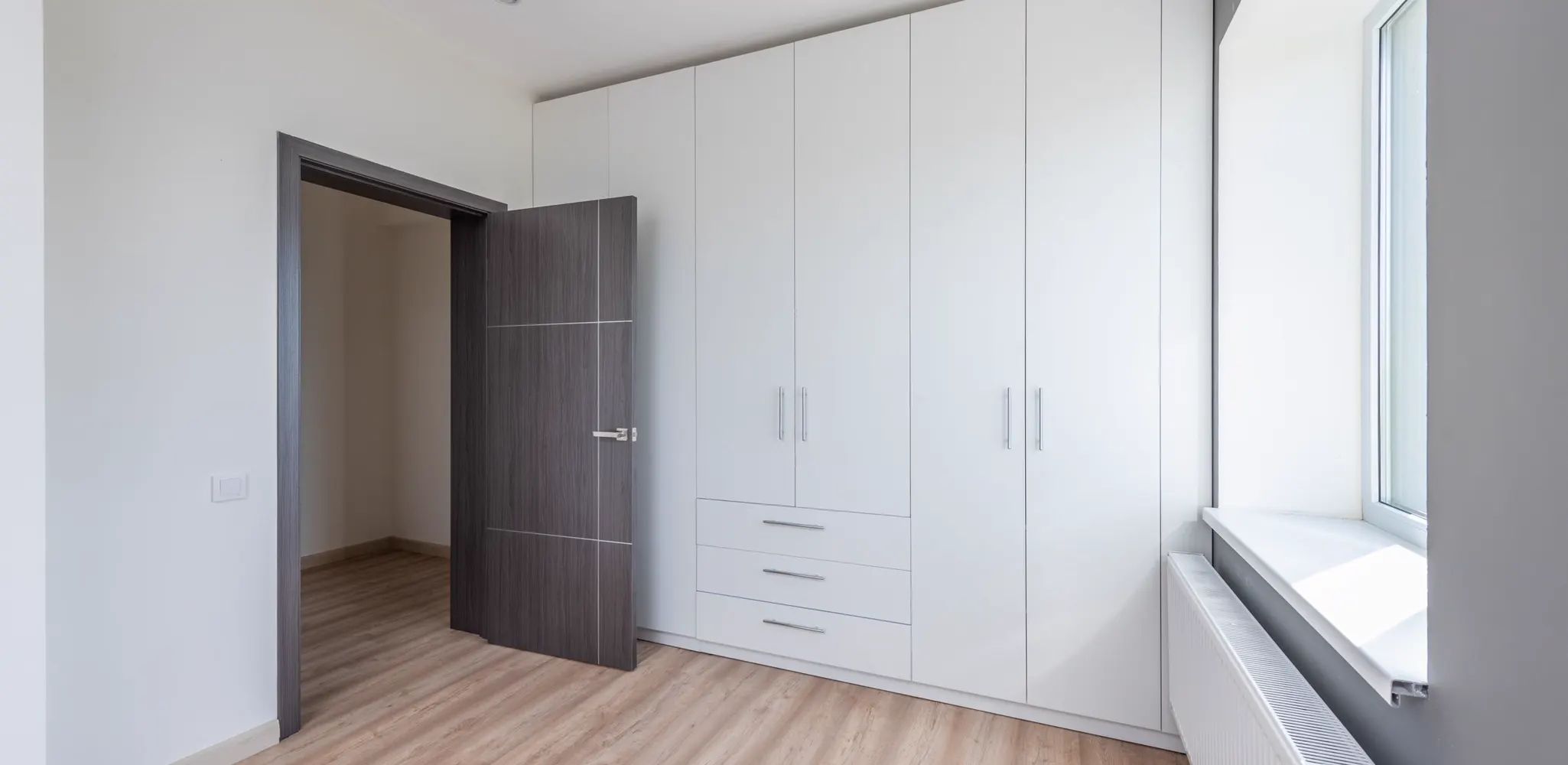
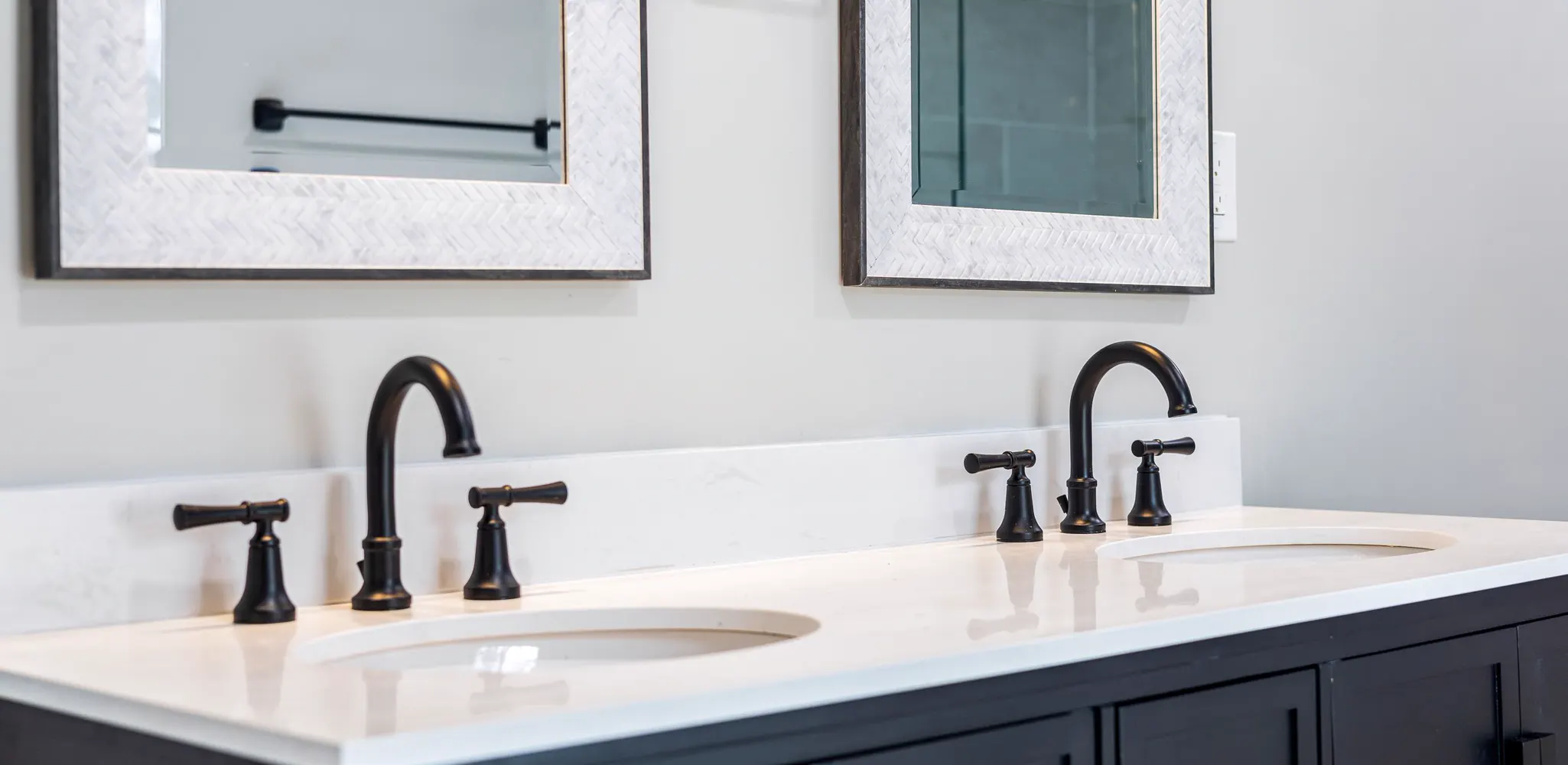
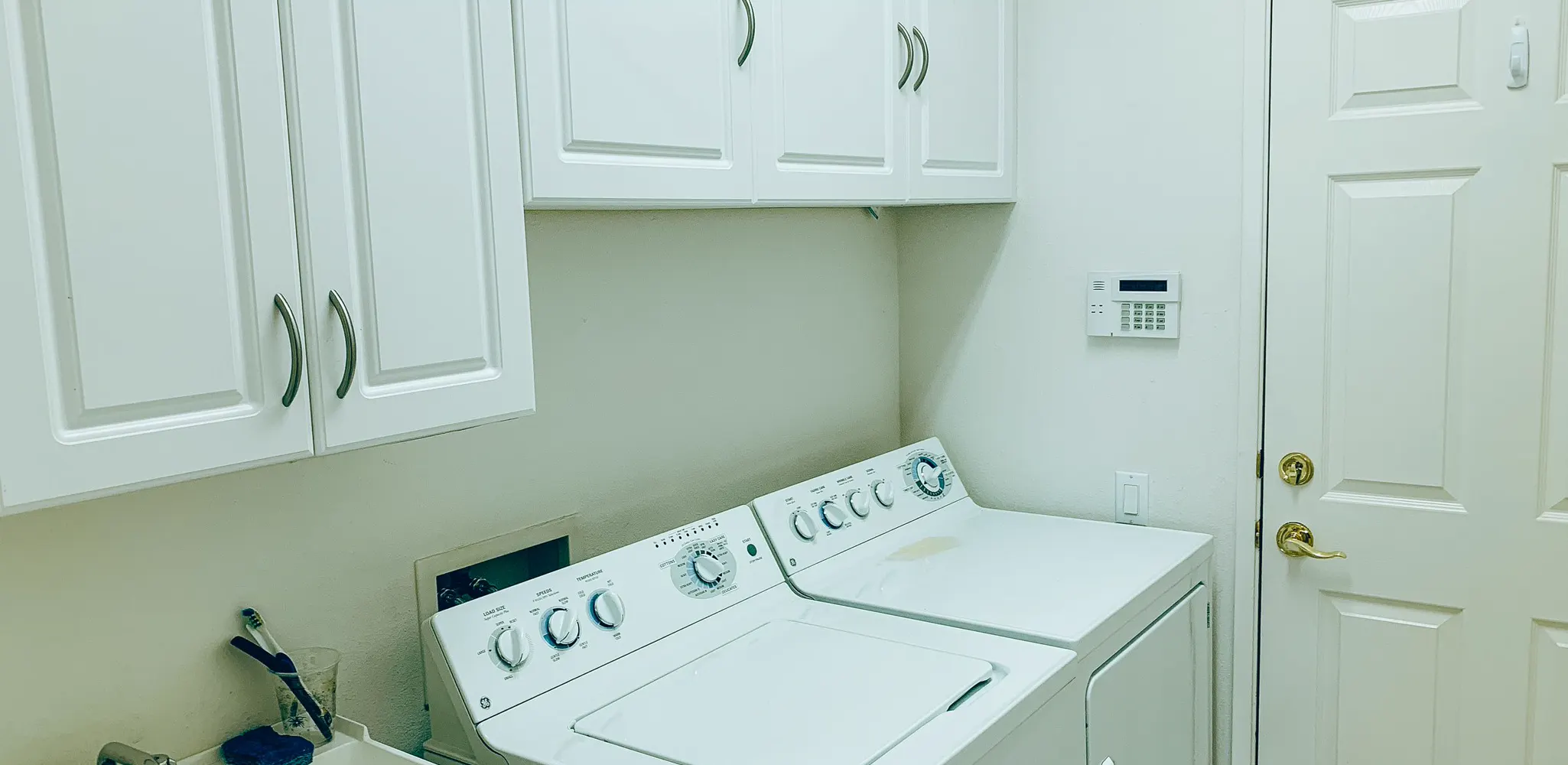
The other cabinet services
Where we work
Hillsborough, Pinellas, Pasco, Manatee and Sarasota counties. If your town is not on this list, call and ask: the answer is often yes.
A walkthrough, then a written scope with one closed price.
Never hourly, never a verbal figure, and our workmanship carries a lifetime warranty. Hillsborough, Pinellas, Pasco, Manatee and Sarasota counties.