Kitchen countertop installation in Tampa Bay.
A countertop is cut once. There is no sanding it into place. Everything depends on the template, on the boxes it sits on, and on where the seam goes. Done right, the counter looks like one piece and the sink sits dead center. Done badly, the seam is at the sink and the overhang bounces. The difference is decided a week before the slab arrives.
Priced by written scope, never by the hour.
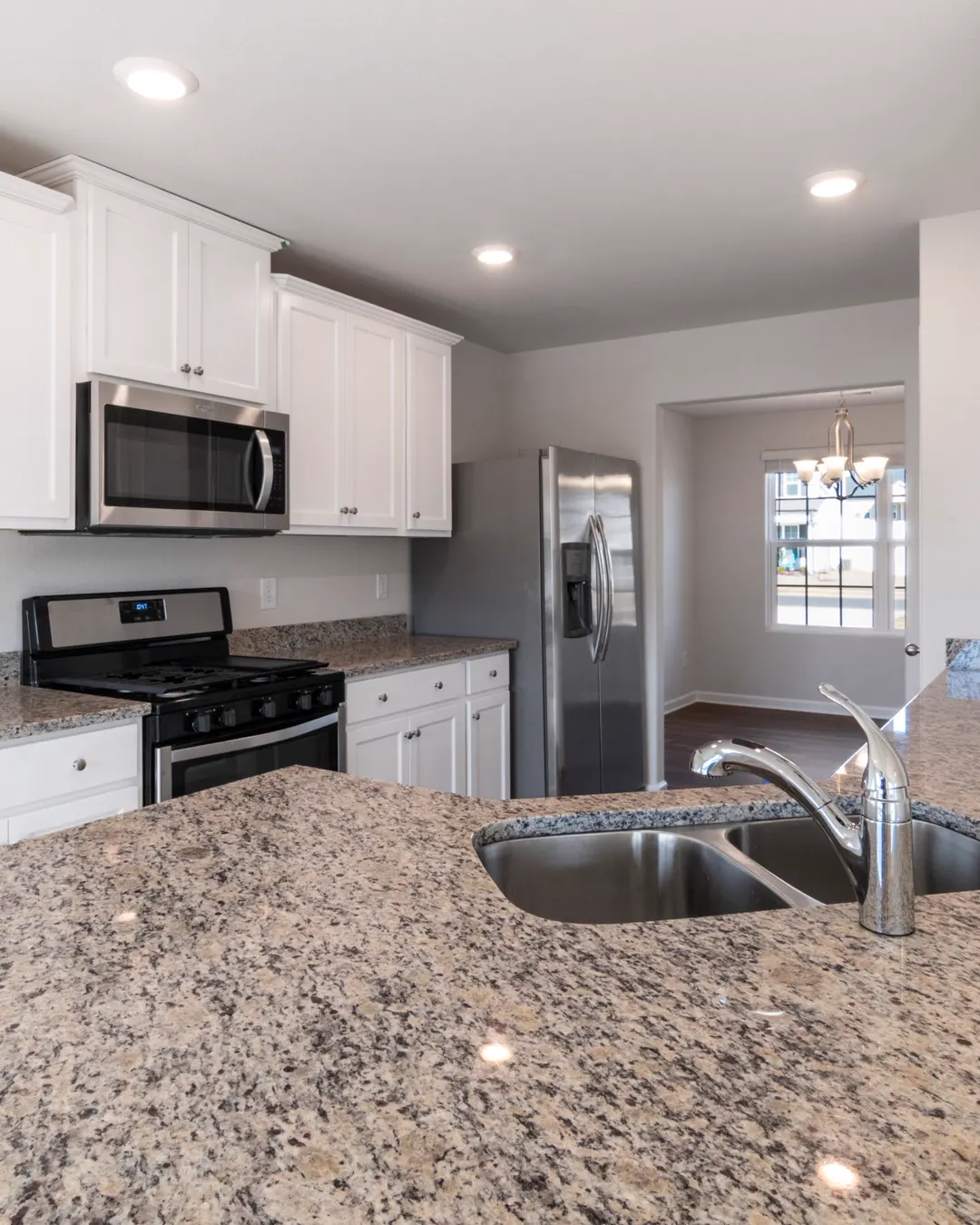
Where the seam goes, and who decides it.
Countertop pages show you slabs and colors. None of them tells you where the seam will be. That is the thing you will look at every day. Here is what to ask before you sign with anyone, including us.
Slabs have a size, and your kitchen may be longer
Quartz slabs are made in fixed sizes, and granite comes as it was cut. An L shaped counter, or a long run, almost always needs a seam. The question is not whether. It is where. Ask to see the seam drawn on the layout before the slab is cut.
A seam at the sink is the wrong place
The sink cutout is the weakest part of the counter. A seam through it gives water two places to get in and the stone two places to crack. A good layout puts the seam away from the sink and away from the range. It may cost a bit more stone. It is worth it.
The overhang has a limit
Stone is strong, and it still breaks when it hangs too far with nothing under it. Most quartz and granite fabricators cap an unsupported overhang around 10 to 12 inches. A breakfast bar wider than that needs steel brackets or a support panel. Ask what holds up the part you sit at.
Silica dust from cutting stone
Cutting quartz dry releases fine silica dust, which damages lungs. OSHA regulates it. Fabrication belongs in a shop with water cutting and extraction, not in your driveway. Ask where your counter is cut. On site cutting should be small, wet and outside.
The layout decides the price. The color decides the rest.
Two kitchens can order the same quartz and get very different prices. Here is what actually separates them.
Square feet, and how they are shaped
Counters are priced by the slab and by the square foot. A kitchen with corners uses more slab than one straight run. Waste is real. An L shape and an island can need 2 slabs where a galley needs 1.
The material and the grade
Solid surface is the cheapest of the three. Quartz comes in grades, and the whites with fine veins cost most. Granite varies by the stone. Prices move with the slab you pick, so the sample you fall in love with sets the number.
The edge and the cutouts
A plain eased edge is standard. Ogee, bullnose and mitered edges add work. Every cutout is a line. The sink, the cooktop, the faucet holes, a soap dispenser. An undermount sink costs more than a drop in, because the edge of the cutout has to be polished.
What is under it
New boxes, old boxes shimmed level, or a floating bar that needs brackets. The counter needs a level, solid base. If the old boxes are not level, shimming them is a line in the scope. If they are soft, that is a different conversation.
What gets checked before the template.
A template is a tracing of the boxes as they are, not as you wish they were. So the base is fixed first, and each fix is priced on its own.
The boxes checked for level
A counter follows the boxes. If they drop across the run, the counter will too, and a seam will open. Old boxes are shimmed level before the template. New boxes are set level when they go in.
The sink in hand, not on order
The cutout is made to the exact sink. If the sink has not arrived, the template waits. Cutting to a spec sheet and hoping is how a sink ends up loose in its hole.
The faucet and the holes decided
Single hole, three hole, a side sprayer, a soap pump, a filtered water tap. Every hole is drilled in the shop. Deciding this after the counter is set means drilling stone in your kitchen. We settle it at the template.
The old counter and what it hides
Old laminate tops often hide water damage at the sink and a back wall that was never finished. The tear out is done before the template so the boxes can be checked. What we find is priced then, not after the slab is cut.
Support for anything that hangs
An island bar, a peninsula, a desk return. Anything past the fabricator's overhang limit gets steel brackets or a panel before the template. The counter is templated over the support, not around it.
What is included, and where it ends.
A written scope is only worth something if it says where it stops. These are the lines we put in writing before anything is ordered.
How long the kitchen is out of use.
The sink is what you lose. From tear out to a working sink is the gap, and most of it is the fabricator cutting the slab. The wait from template to install is set by the shop, not by us. The set itself is a day. The plumber reconnects the sink after that. Your scope has the dates.
When we tell you not to do it
A stone counter is heavy, permanent and cut once. That makes it easy to sell to a kitchen that is not ready for it. Here is where we say no, and why.
The boxes are soft or out of level
Stone on soft boxes cracks at the seam within a year. Stone on boxes that drop across the run shows a gap you cannot close. Fix the boxes first, or replace them. We will not template over a base we do not trust.
You plan to move the sink later
A counter is cut for one sink in one place. Move the sink next year and the counter goes with it. If a layout change is coming, do it first. The counter is the last thing in, not the first.
The overhang you want has nothing under it
A 16 inch bar with no brackets is a counter waiting to break, with someone leaning on it. Either we add the support, or the overhang gets shorter. There is no third option we will sign.
The budget only covers the slab
The slab is the half people picture. Tear out, template, edge, cutouts, support and the plumber are the other half. If the number only covers the stone, wait and do it once. A cheap set on a good slab is the worst of both.
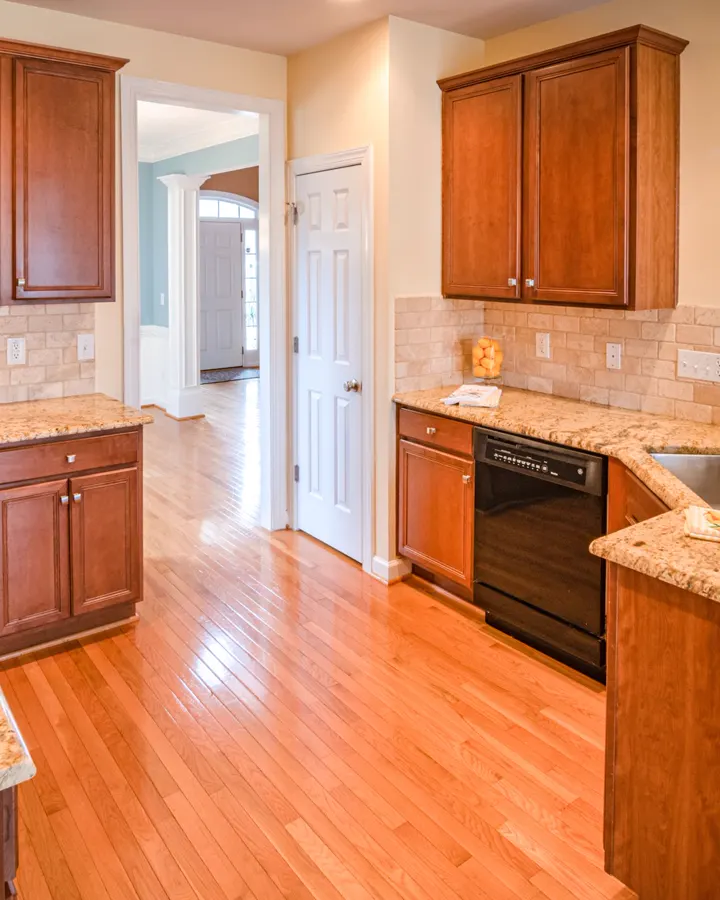
Lifetime warranty on our workmanship.
If the work we did fails, we come back and fix it. That holds for as long as you own the home. On a counter it means the set. The seam we made, the level we set it to, and the support we built under it.
A warranty is only worth what its exclusions say. Ours are above, in the same size type as the promise. Ask whoever you are talking to how long theirs runs, and get the number in writing.
Questions we actually get asked
Is quartz better than granite?
Neither is better. They are different. Quartz is made with resin, so it does not need sealing, and it can scorch from a hot pan. Granite is stone. It takes heat, and it wants sealing now and then. Pick by how you cook and clean, not by the name.
Do I need a permit for a new countertop?
No. A counter alone needs no permit. If the sink or the cooktop moves, the plumbing or the electrical may. The licensed trade doing that part pulls it. Your written scope says so before you sign.
Can you put a new counter on my old cabinets?
Yes, if the boxes are sound and can be shimmed level. Stone is heavy. Boxes that are soft at the sink, or racked out of square, are not a base we template over. We check them before anything is ordered.
Where will the seam be?
Away from the sink and the range, in the spot that hides best in your layout. We draw it on the plan before the slab is cut, and you see it. An L shaped counter almost always has one. A straight run under 10 feet may have none.
How long from template to install?
The fabricator sets it. It depends on the shop and the stone. The date goes in your scope. The sink and the faucet must be on site before the template, or the clock does not start.
Can you reuse my sink?
Sometimes. An undermount sink can be reused if it comes out clean and its size suits the new cutout. A drop in sink from a laminate top usually does not suit a stone counter. We tell you at the walkthrough.
The other kitchen services
Where we work
Hillsborough, Pinellas, Pasco, Manatee and Sarasota counties. If your town is not on this list, call and ask: the answer is often yes.
A walkthrough, then a written scope with one closed price.
Never hourly, never a verbal figure, and our workmanship carries a lifetime warranty. Hillsborough, Pinellas, Pasco, Manatee and Sarasota counties.