Siding repair and replacement in Tampa Bay.
Siding is the raincoat on the house. It sheds water. It does not stop it. The flashing and the wrap behind it do that. Siding repair is deciding whether one board went bad, or whether the raincoat has been leaking for years. The board is easy. What is behind it is the job.
Priced by written scope, never by the hour.
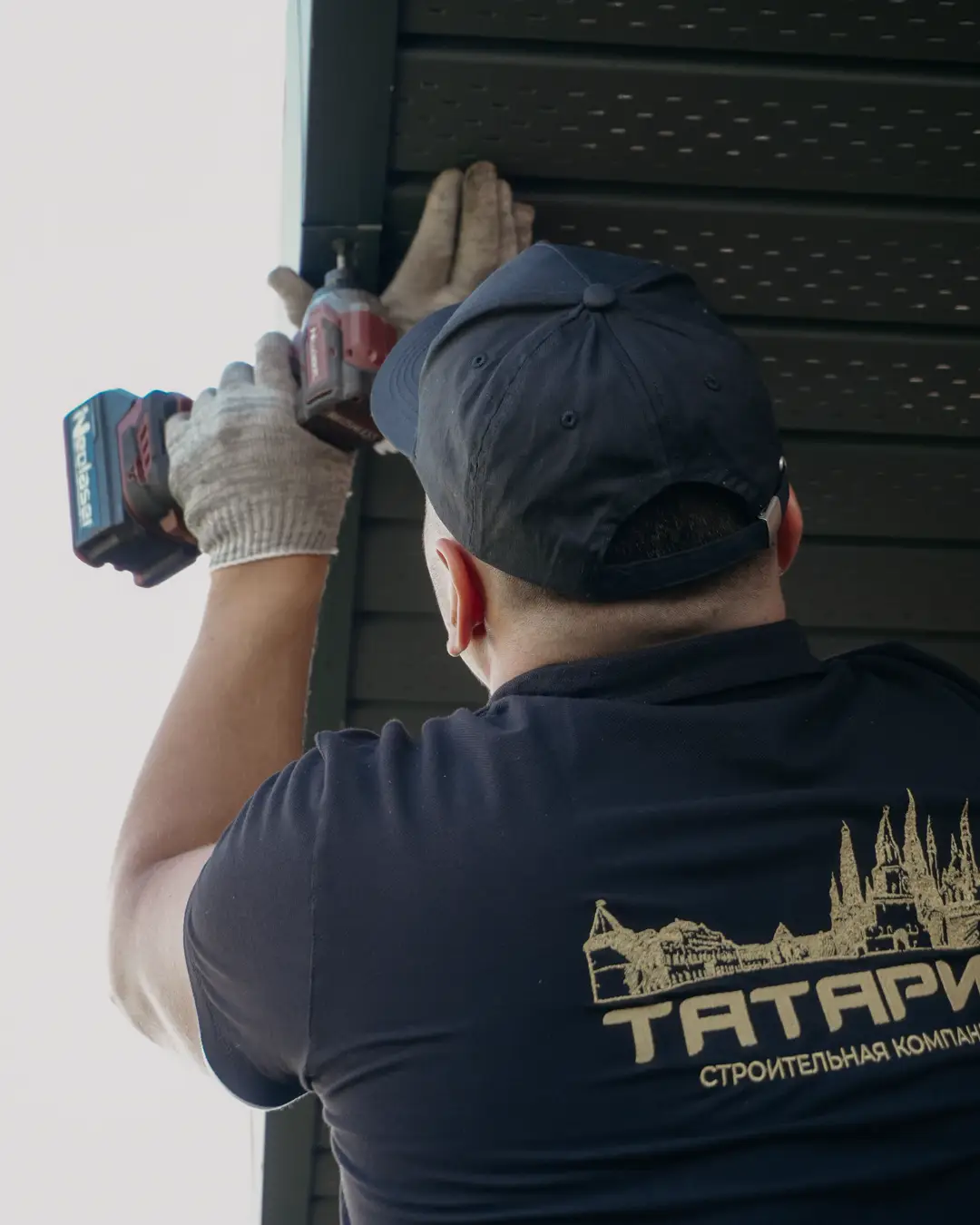
Siding repair starts behind the board, not on it.
Siding pages show clean white walls. None of them shows the wrap and the flashing behind the boards. That is where a wall leaks or does not. Here is what to ask before you hire anyone, including us.
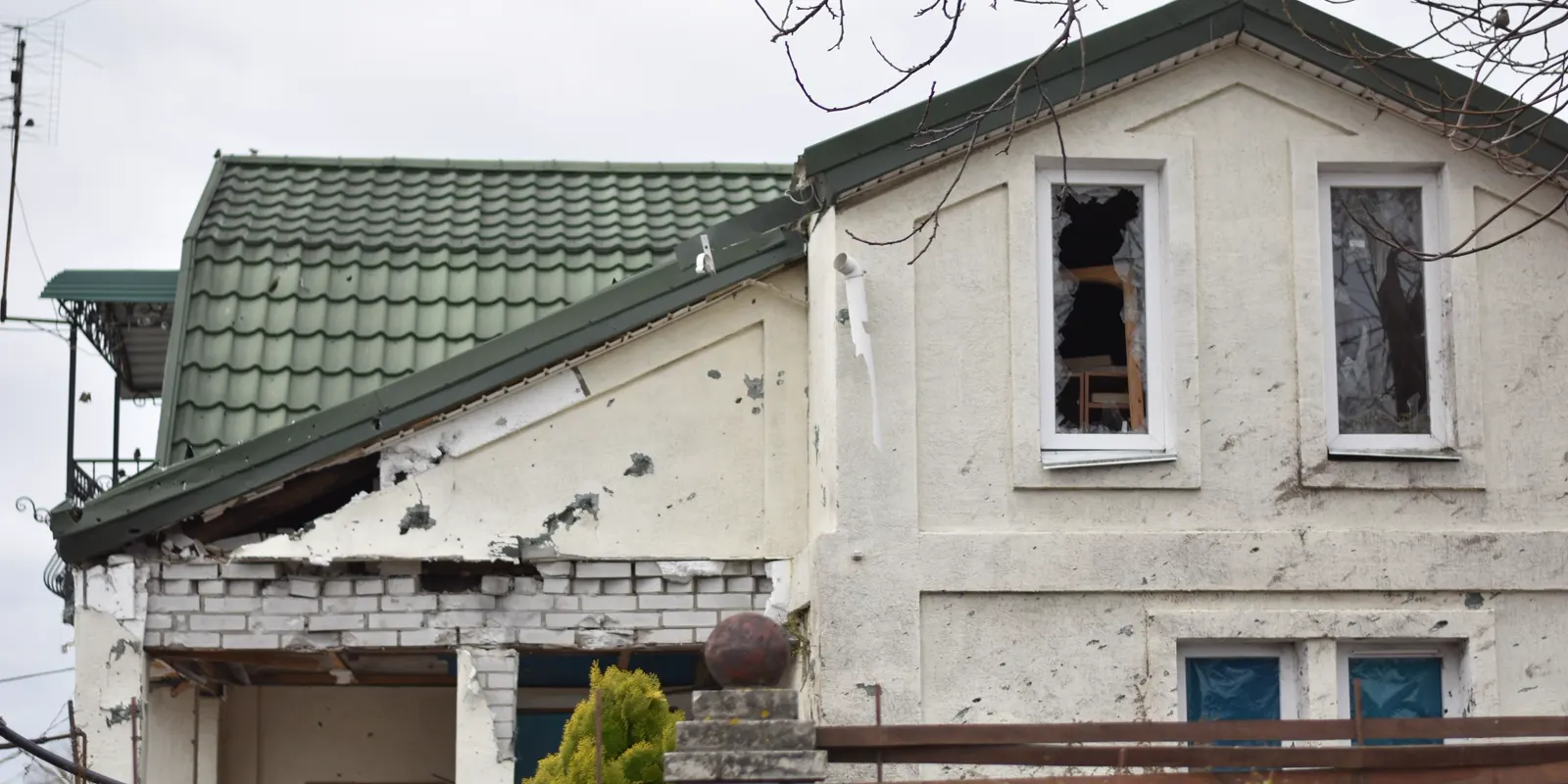
Siding is not waterproof
Wind pushes rain behind lap siding every storm. That is expected. The house wrap behind it and the flashing at every window and corner carry that water back out. A wall with good siding and bad flashing rots from the inside. It looks fine until the board goes soft.
The bottom of the board dies first
Water runs down and sits at the bottom edge. On fiber cement, wood and even vinyl, that is where damage starts. Press the bottom inch of the lowest boards with a screwdriver. Soft means the water is staying.
Windows are where the flashing fails
Most siding leaks are at the top corners of windows. A missing piece of flashing there sends water into the wall for years. The Florida code calls for flashing at every opening. Older houses often have none. Ask who checks the window flashing.
Fiber cement, vinyl and wood age differently
Fiber cement does not rot but it soaks up water at cut ends that were never sealed. Vinyl does not rot but it cracks and warps in the heat. Wood rots. Each one gets repaired a different way, and the scope names which one you have.
The count of boards decides the price. The flashing decides the surprises.
Two walls can look the same and price far apart. Here is what actually moves the number on siding repair.
One board, one wall, or the house
A single damaged board is a morning. A run along the bottom of a wall is a day. A whole wall is a project with scaffolding. Count the soft boards before you call. It gets you most of the way to a range.
What is behind it
If the wrap and the flashing are sound, the board gets swapped and painted. If they are missing or torn, the wall gets opened wider to fix them. That is the line that moves most, and it is only visible once a board is off.
Matching the old profile
Old siding profiles go out of production. Matching a 20 year old lap can mean a special order or a compromise on one wall. Painting the whole wall after a repair hides the seam. The scope names which.
Height and access
Ground floor boards are a ladder. Second story gables are scaffolding or a lift. The same board costs more 25 feet up. It is a line in the scope, not a surprise.
What gets opened before a board is replaced.
A new board over old damage is a new board that fails. So the checking comes first, and each finding goes into the scope.
Every wall probed at the bottom
We press the bottom edge of the lowest boards all the way around. Soft spots get marked. It takes 20 minutes and it finds the walls that are holding water.
One board pulled where it is worst
Before we quote, we take off the worst board and look. Wrap, flashing, sheathing. If the sheathing is soft, that goes in the scope. If the flashing is missing at a window, so does that.
Window and corner flashing checked
The top corners of every window on the affected wall get looked at. Missing flashing there means the wall has been fed water for years. It gets fixed while the wall is open, or the repair is a waste.
The cause found
A sprinkler head hitting the wall twice a day. A downspout dumping at the corner. A missing kickout flashing where a roof meets the wall. The cause goes in the scope. Fixing the board without it is temporary.
The profile matched
The exposure, the thickness and the texture of the old siding are measured. A matching board is sourced, or a close one plus a paint line is proposed. You see the match before it is ordered.
What is included, and where it ends.
A written scope is only worth something if it says where it stops. These are the lines we put in writing before anything is ordered.
How long the wall is open.
A few boards is a day, and the wall is closed by evening. A wall with flashing work is days, and it is wrapped and dry each night. Paint waits for a dry window. Special order boards add the maker's lead time before we start. Your scope has the dates.
When we tell you not to do it
A siding repair is small and visible, which makes it easy to sell the wrong one. Here is where we say no, and why.
A new board over wet sheathing
If the wood behind the siding is soft, a new board hides a wall that is still rotting. The sheathing gets replaced or the repair does not happen. We say so on the walkthrough.
Painting a wall that is holding water
Paint over siding that is wet behind peels within a year. The water gets fixed first. Then exterior painting makes sense, and lasts.
Patching a house that needs re-siding
If a third or more of the boards are soft, patching is money spent every year. A re-side is the honest job. We will tell you, and we will price it as its own scope.
The leak is the roof, not the wall
Where a roof meets a wall without a kickout flashing, the wall below rots. It does not matter how many boards you replace. The roofer comes first. We come after.
Lifetime warranty on our workmanship.
If the work we did fails, we come back and fix it. That holds for as long as you own the home. On siding it means the boards we set and the flashing we put behind them. If water gets in where we worked, that is ours.
A warranty is only worth what its exclusions say. Ours are above, in the same size type as the promise. Ask whoever you are talking to how long theirs runs, and get the number in writing.
Questions we actually get asked
Can you replace just one piece of siding?
Yes, and it is common. One board comes out, the wrap and flashing behind it get checked, and a matching board goes in. The seam disappears with paint. If the board behind is soft, the repair grows, and we tell you before it does.
How do I know if my siding is rotten?
Press the bottom inch of the lowest boards with a screwdriver. Sound siding pushes back. Rot gives. Look also for paint that bubbles and boards that cup away from the wall. Stains at the top corners of windows count too.
What is the flashing you keep talking about?
Thin metal or tape that sits behind the siding at windows, doors and corners. It catches water that gets past the siding and sends it back out. The Florida code requires it at every opening. Older houses often have gaps, and that is where walls rot.
Is fiber cement better than vinyl?
Different. Fiber cement does not rot, burn or warp, and it needs paint and sealed cut ends. Vinyl never needs paint and it cracks and warps in the heat. Wood looks best and needs the most care. We repair all three.
Will the new board match?
If your profile is still made, yes. If it is out of production, we source the closest match and show it to you before ordering. Painting the whole wall after a repair hides the difference. The scope says which way we go.
Do I need a permit to repair siding?
For a repair, usually not. For a full re-side, most cities want one. The scope names it. Either way, the flashing goes in to the current code, because that is what keeps the wall dry.
The other exterior services
Where we work
Hillsborough, Pinellas, Pasco, Manatee and Sarasota counties. If your town is not on this list, call and ask: the answer is often yes.
A walkthrough, then a written scope with one closed price.
Never hourly, never a verbal figure, and our workmanship carries a lifetime warranty. Hillsborough, Pinellas, Pasco, Manatee and Sarasota counties.