Sunroom and Florida room in Tampa, FL.
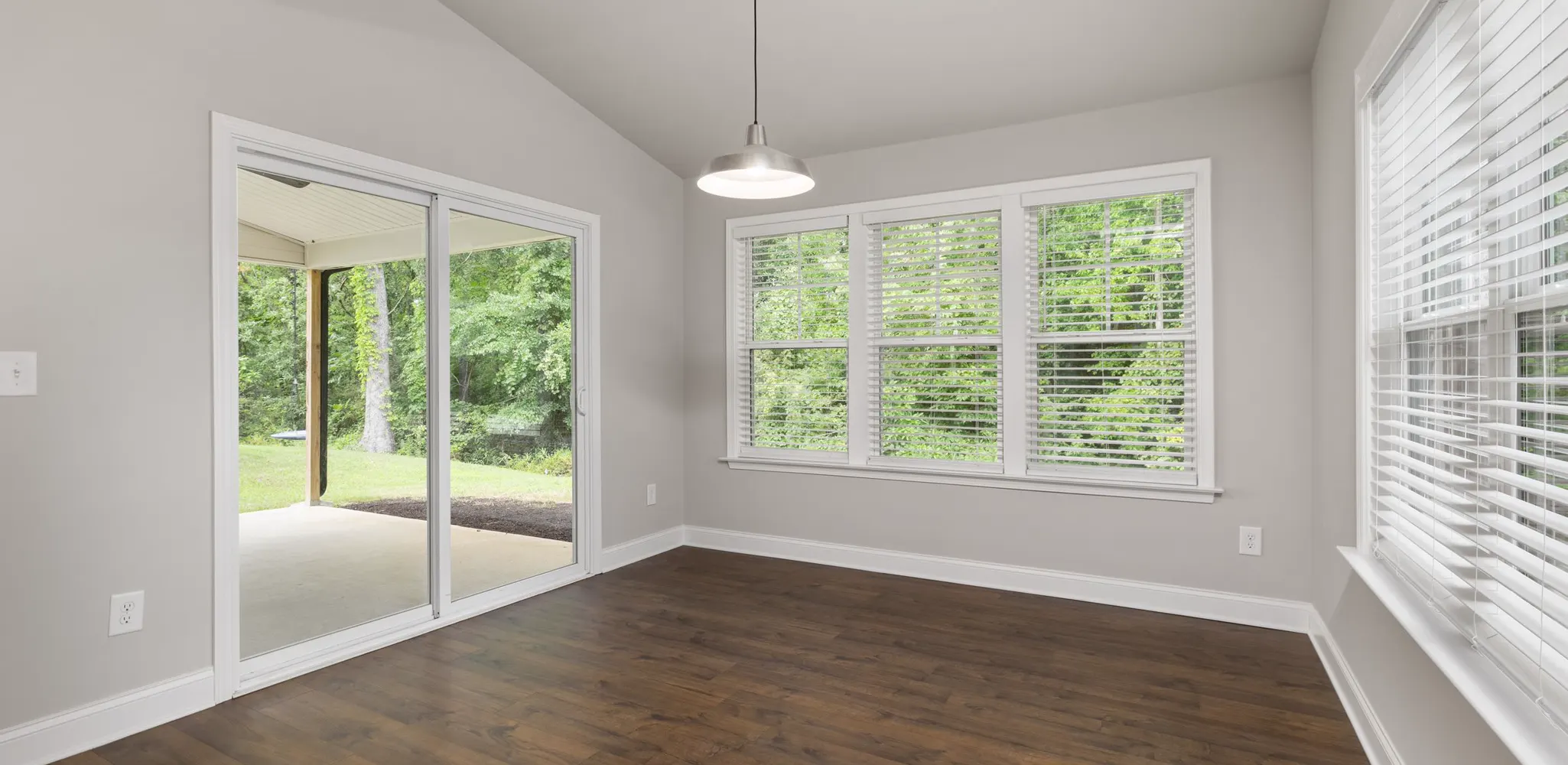
A sunroom is a room made of windows. A Florida room is the same room with screens where the glass would be, or glass that does not seal. The code sorts them into five kinds. A screen room at one end, a room heated and cooled like the house at the other. The kind decides the glass, the walls, the roof and the price. Done right you get the room everyone sits in. Done wrong you get a glass box nobody can sit in from May to October. The difference is decided before the first window is ordered.
Priced by written scope, never by the hour.
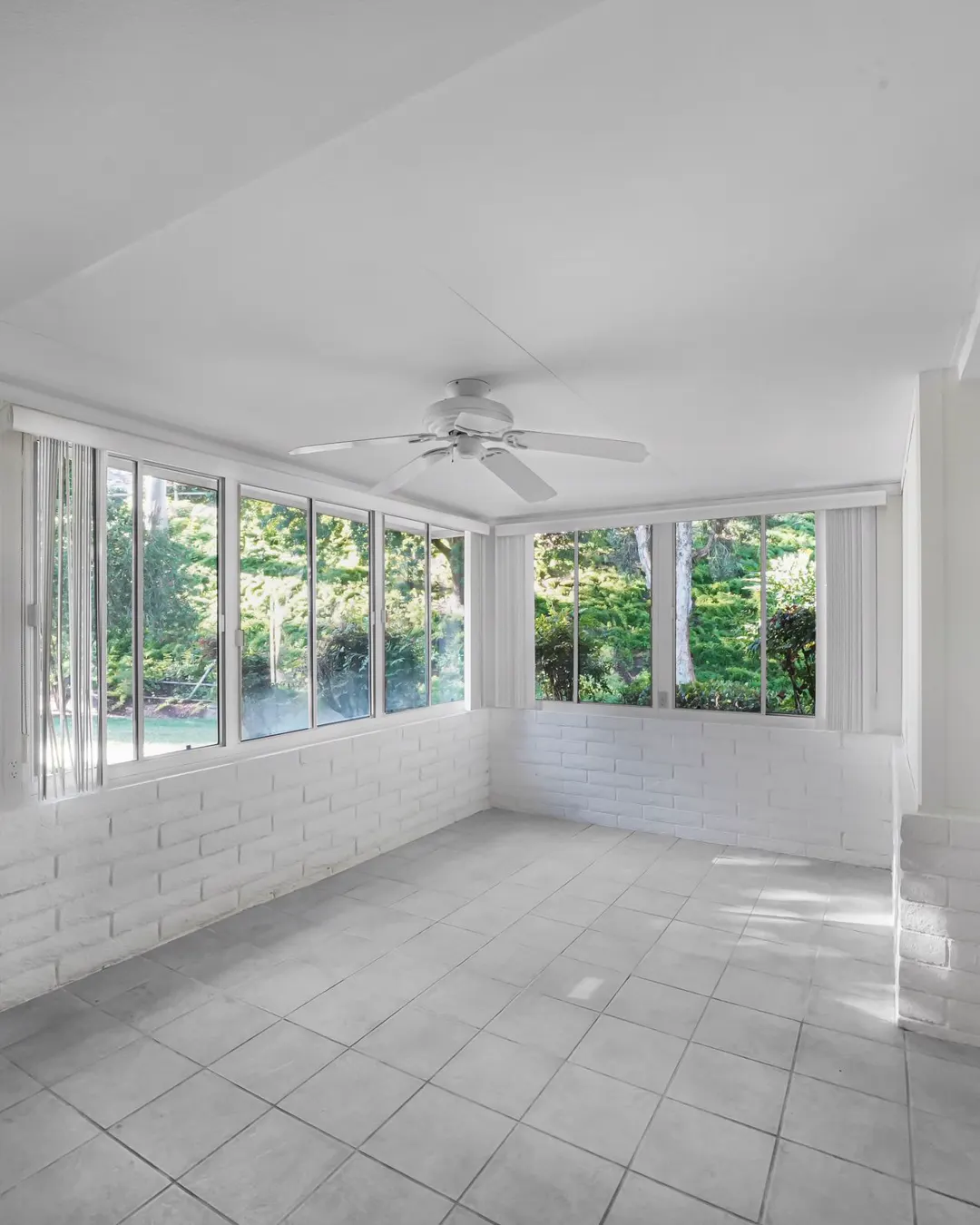
The five kinds, and which one you can sit in.
Sunroom pages show a bright room with wicker chairs. None of them tells you that the code sorts sunrooms into five categories. In Tampa only some of them are usable in summer. Here is what to decide before anyone quotes you.
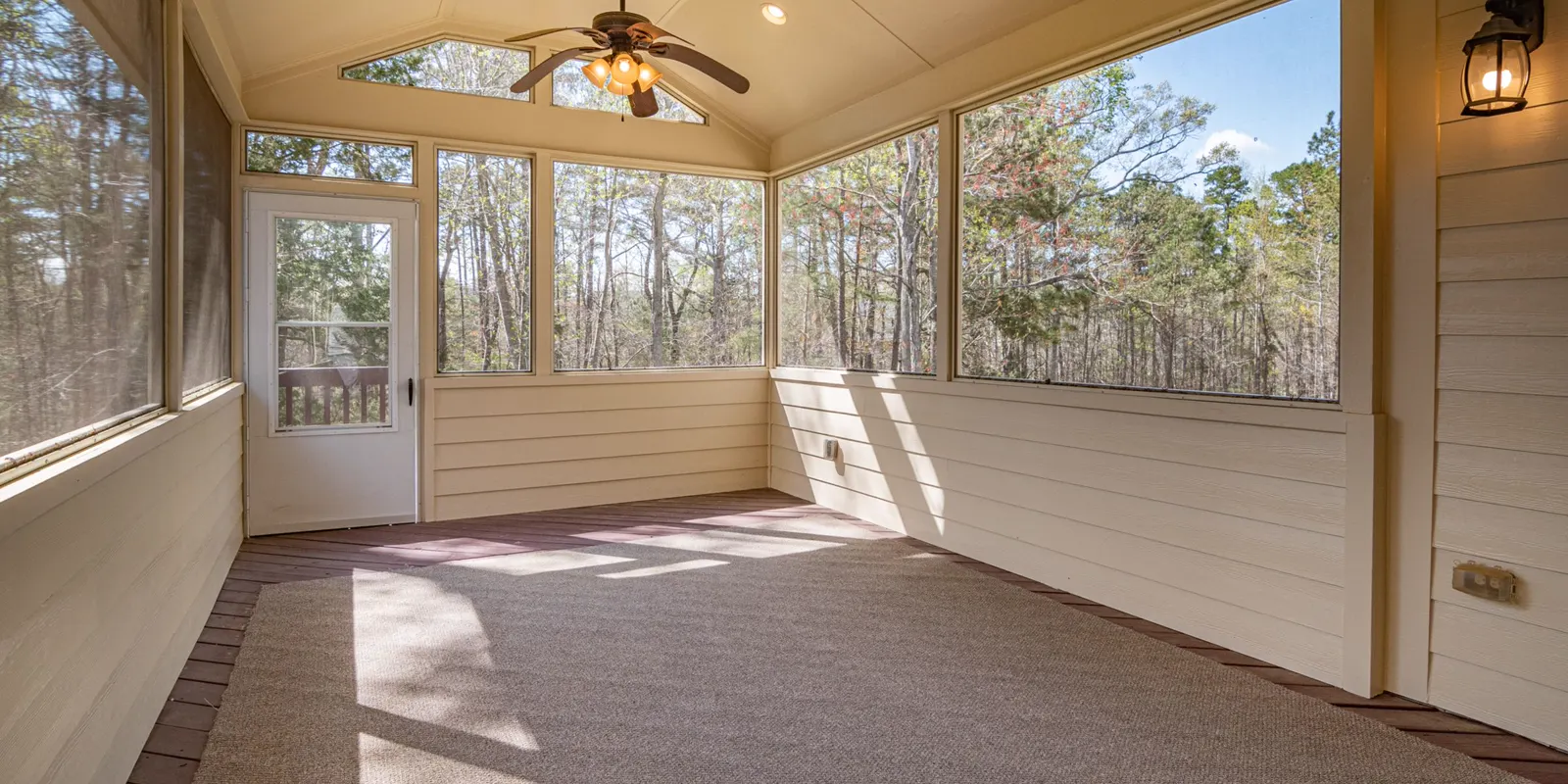
A screen room, or a room with glass that does not seal
The first kinds are open to the outside air. Screens, or single glass in frames that let air through. They are the cheapest square foot you can add, and in Tampa they are a porch. Fine in January. Empty in July. The code treats them as outside.
A room that is closed but not conditioned
Glass that seals, but no cooling. It keeps the rain and the bugs out. It also holds the heat, and a closed glass room in Tampa in August is hotter than the yard. It works with a big fan and shade. It does not work as a living room.
A room heated and cooled like the house
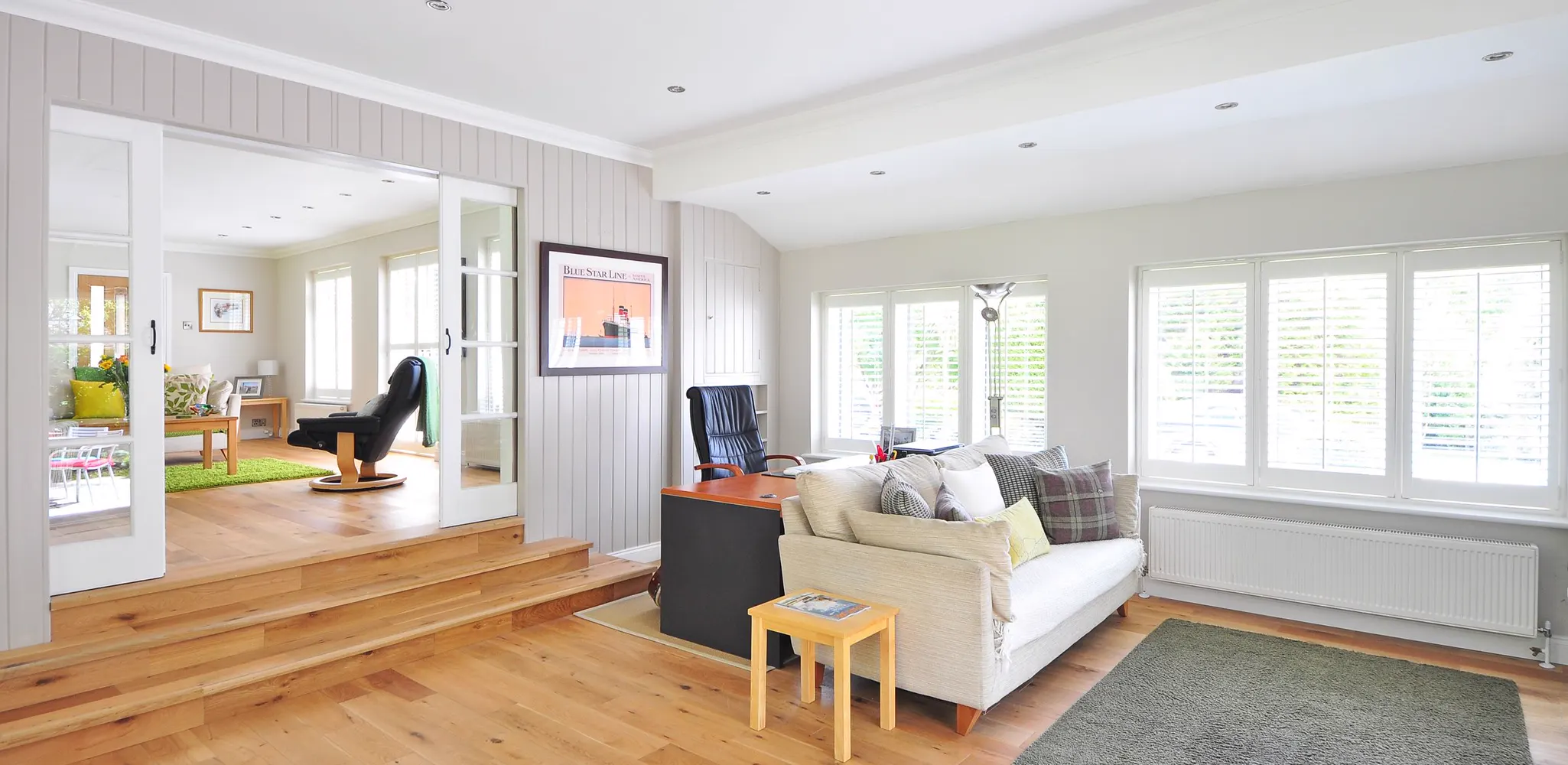
The last kind. Insulated glass, insulated walls and roof, and a supply from the air handler or a mini-split. It is a room you sit in all year, and it is priced like one. It is the kind most Tampa families actually want, once they have sat in the other kinds.
The roof and the glass in the wind zone
Every kind has to meet the wind code, and a wall of glass is a wall the wind pushes on. The glass, the frames and the roof are rated for it and engineered. That is a line in the price, and it is not one to shop.
The kind and the glass decide the price. The slab decides the rest.
Two sunrooms the same size can price far apart. Here is what actually moves the number on a sunroom or a Florida room.
Which of the five kinds
A screen room on an existing slab is the bottom of the range. A conditioned room with insulated glass is the top. The middle kinds are cheaper than they look and hotter than they look. We say which kind you are buying, in writing.
The slab
Many Tampa houses have a patio or a lanai slab already. If it is thick enough and sits above the flood line, the room can go on it. If it is not, a new slab is poured, and in a flood zone it is raised. The slab is the line that changes most between two houses.
The glass and the roof
Single glass, insulated glass, or insulated glass with a coating that keeps the heat out. A solid insulated roof, or a glass roof. In Tampa a glass roof is a greenhouse. The glass is most of the material, and the roof is most of the engineering.
Cooling it
A conditioned room needs a supply and a return from the air handler, or its own mini-split. Often the air handler cannot take one more room, and the mini-split is the honest answer. It is a licensed trade and its own line. A screen room needs a fan.
What gets settled before the slab is poured.
The price is written before the work starts. These are the things that get settled first, because they are what make the number hold.
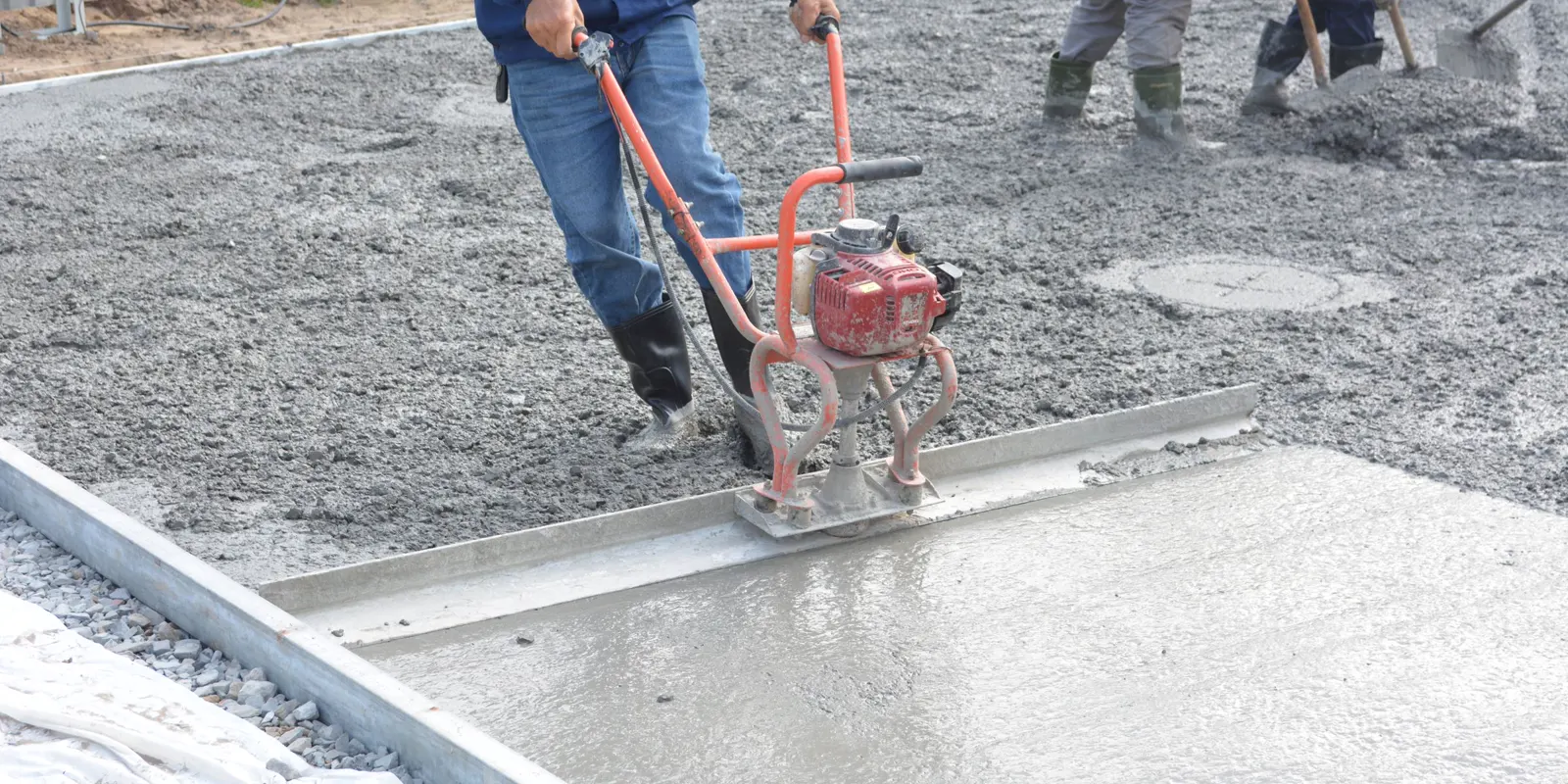
A walkthrough of the slab and the wall
We measure the patio or the lanai slab and check its thickness and its height. We look at the wall and the roof the room comes off. We look at the air handler. It takes an hour. Everything in the drawing comes from that.
The kind, decided and written
Screen, closed, or conditioned. Single or insulated glass. Solid or glass roof. You choose with the numbers next to each. The scope names the kind, so what you are buying is not a surprise in July.
The lot answer and the flood map
Setbacks, lot coverage, easements and the HOA, by address. Flood zone and base flood elevation, and whether the existing slab is above the line. A sunroom on a lanai slab that sits below it does not get approved.
A written scope, line by line
The plans and the engineering, the slab if there is one, the frame, the glass, the roof. The tie-in to the house, the power, the cooling, the floor and the finish. Every trade named with its license. What is in, what is not.
One closed price, with milestones
One number for the written scope. Payments are tied to stages you can see. Signing, slab inspected if there is one, frame and roof up, glass in, final walkthrough. You pay for what exists in the yard.
What is included, and where it ends.
Every sunroom scope on this site says where it stops. These are the boundaries we put in writing before anyone starts.
How long the yard is a job site.
Most sunrooms run 3 to 6 weeks of work once the City has approved the plans. That review comes first, and the City sets that clock, not us. A screen room on an existing slab is at the short end. A conditioned room on a new raised slab is at the long end. The glass has its own lead time, and the maker sets that one. Your scope has the dates.
When we tell you not to do it
A sunroom is sold as the cheapest room you can add. Sometimes it is. Sometimes it is a glass box nobody sits in, and nobody says so until August. Here is where we say no, and why.
You want a living room and the budget is a screen room
A screen room is a porch. If you want a room you sit in all year, the kind you need is the conditioned one. It costs what a room costs. We say it with the numbers before the glass is ordered, not after the first summer.
The lanai slab is below the flood line
A room on a slab that sits under the base flood elevation does not get approved in a flood zone. The slab comes up, or the room does not go there. We check the height before the drawing, and we tell you which it is.
The glass roof
A glass roof in Tampa is a greenhouse, and no amount of cooling makes it a room in July. We build solid insulated roofs with skylights if you want the light. If you want the glass roof anyway, we will say once why we would not. Then it is your call.
The HOA says no to the look
Many Tampa Bay HOAs have a rule about what the back of the house can look like. A wall of aluminum frames is often on the list. Read the CC&Rs and get the board's written yes before the plans. We do not draw around it.
Lifetime warranty on our workmanship.
If the work we did fails, we come back and fix it. That holds for as long as you own the home. On a sunroom it covers what we built and finished. The tie-in to the house, the floor, the ceiling, the trim and the finish.
A warranty is only worth what its exclusions say. Ours are above, in the same size type as the promise. Ask whoever you are talking to how long theirs runs, and get the number in writing.
Questions we actually get asked
What is the difference between a sunroom and a Florida room?
In Tampa the words are used for the same room. A Florida room usually means the older kind: a lanai closed in with screens or single glass, not cooled. A sunroom usually means glass that seals. The code does not use either word. It uses five categories, and the scope names the one you are buying.
Can I use it in summer?
Only the conditioned kind, with insulated glass and its own cooling. A closed glass room with no cooling is hotter than the yard in August. A screen room is a porch. We tell you which kind you are looking at, with the numbers, before the glass is ordered.
Do I need a permit for a sunroom?
Yes. A sunroom is an addition, with a plan review, engineering for the wind zone and inspections. Even a screen room on an existing slab needs one. Power and cooling get their own permits. They are pulled by the contractor licensed for each, named in your scope. The fees are listed as their own line, at cost.
Can it go on my existing patio or lanai slab?
Often, yes. The slab has to be thick enough to carry the frame. In a flood zone it has to sit above the flood line. We measure both on the walkthrough. If it passes, the slab is not in the price. If it does not, a new one is, and you see that line before you sign.
Is a sunroom a kit?
Some are. A kit is the frame and the glass made to a set of sizes. It can be the right answer for a screen room or a closed room. A conditioned room built to match the house is not a kit. Either way the engineering, the slab and the tie-in are ours to get right. The scope says which you are buying.
What makes the price go up after signing?
Only a change you ask for, or a hidden condition we could not see. A change is priced in writing before it happens. A hidden condition is priced only after it is visible. Nothing else moves the number.
The other home addition services
Where we work
Hillsborough, Pinellas, Pasco, Manatee and Sarasota counties. If your town is not on this list, call and ask: the answer is often yes.
A walkthrough, then a written scope with one closed price.
Never hourly, never a verbal figure, and our workmanship carries a lifetime warranty. Hillsborough, Pinellas, Pasco, Manatee and Sarasota counties.