Drywall repair and installation in Tampa Bay.
Drywall is the easiest trade to do badly and get away with, until the afternoon sun comes through the window. A patch can be invisible or it can be a permanent shadow on the wall. The difference is the finish level, and the finish level is chosen for the light in that room. Drywall repair is mostly sanding and patience.
Priced by written scope, never by the hour.
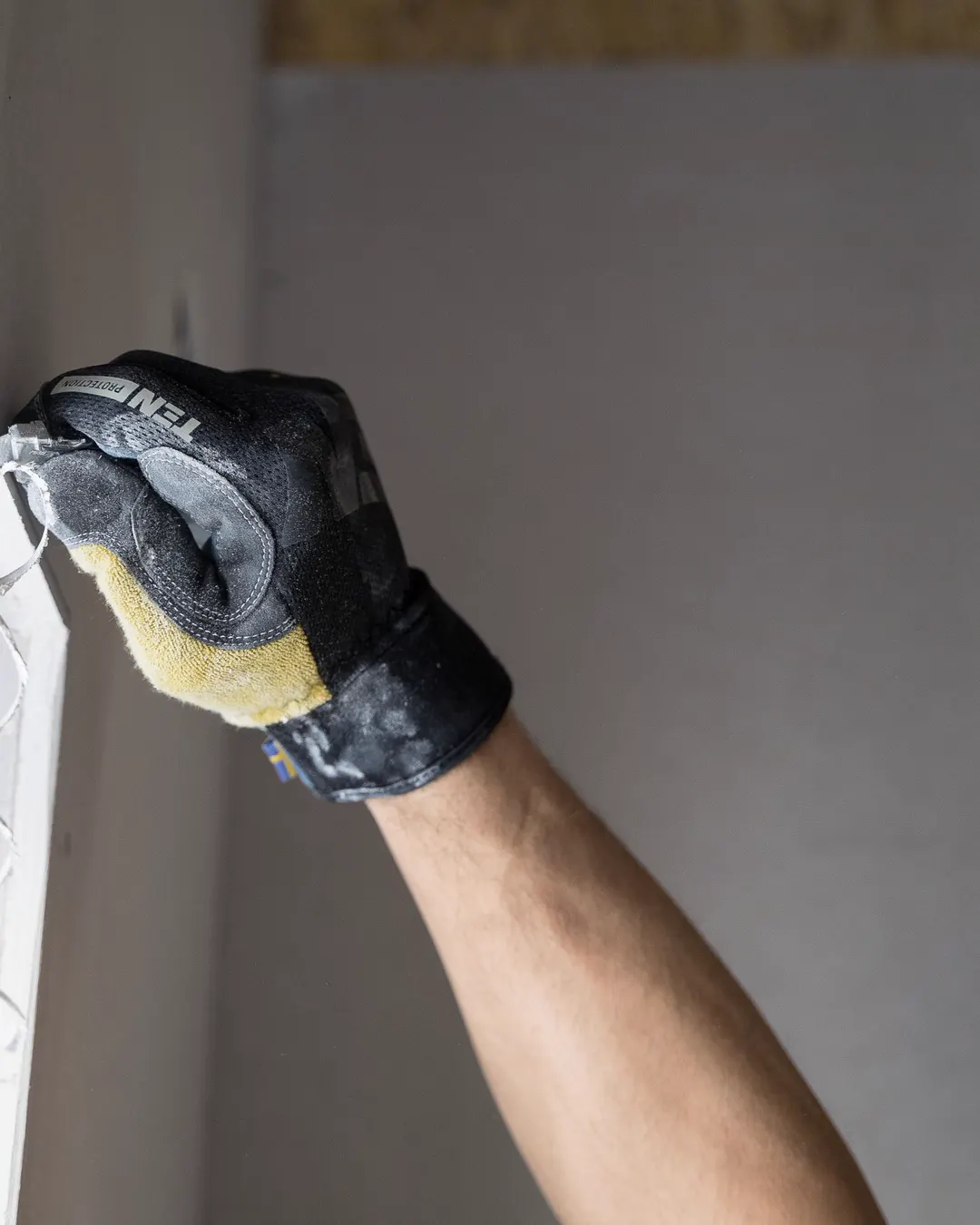
Drywall repair is finished to a level, and the light picks the level.
Drywall pages talk about fast patches. None of them mentions finish levels, which is the one thing that decides whether the patch shows. Here is what to ask before you hire anyone, including us.
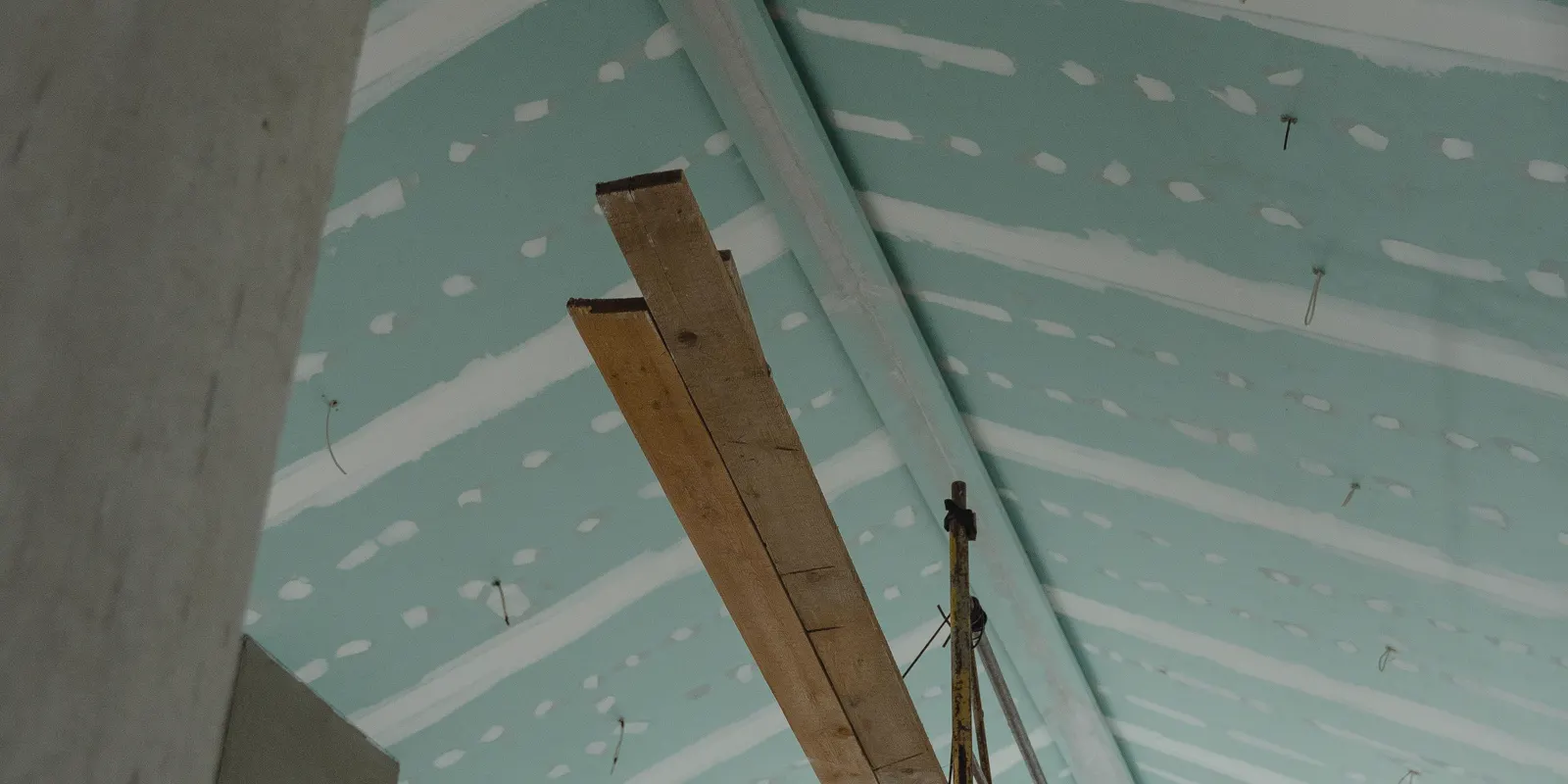
There are six finish levels, 0 to 5
The trade standard, GA-214, defines them. Level 0 is bare board. Level 4 is the usual for painted walls. Level 5 adds a thin skim coat over the whole surface. Most patches that show were stopped at level 3 and painted. Ask what level is in the number.
Side light shows everything
A wall lit from a window at a low angle shows every ridge and every dip. That wall wants level 5, or the patch shows at 4 pm every day. A hallway with overhead light hides more. The level is chosen room by room, by looking at the light.
A patch is a feathered edge, not a lump
Mud on a patch is feathered out 12 to 18 inches past the repair, in thin coats, and sanded flat. A patch that is one thick coat sanded round is a bump under paint. The width of the feather is the skill.
Texture has to match, and it rarely does on the first try
Most Tampa Bay houses have an orange peel or knockdown texture. A smooth patch on a textured wall shows as a flat spot. Matching texture is sprayed, knocked down and compared next to the old wall before paint. Ask who matches the texture.
The size and the finish level decide the price. The hole barely does.
A small hole and a large hole can price close together. Here is what actually moves the number on drywall repair.
Patch, sheet or wall
A hole the size of a fist is a patch. Water damage along a ceiling is a sheet or two. A new wall is framing, board, tape, mud, texture and a permit. The count of sheets is most of the number.
The finish level for the room
Level 4 is the base case. Level 5 adds a full skim coat and another day of sanding. On a wall with side light it is the difference between a repair and a shadow. The scope names the level per room.
Texture and paint to match
Matching a knockdown texture is a line. Painting corner to corner so the patch disappears is another. Painting only the patch shows the patch, no matter how good the mud is.
What caused the damage
A water stain has a leak above it. A crack at a door corner has movement behind it. Repairing the drywall without the cause is repairing it again. If the cause is in reach, it goes in the scope.
What gets found before the mud goes on.
New drywall over an old problem is a new problem in a year. So the checking comes first, and each finding goes into the scope.
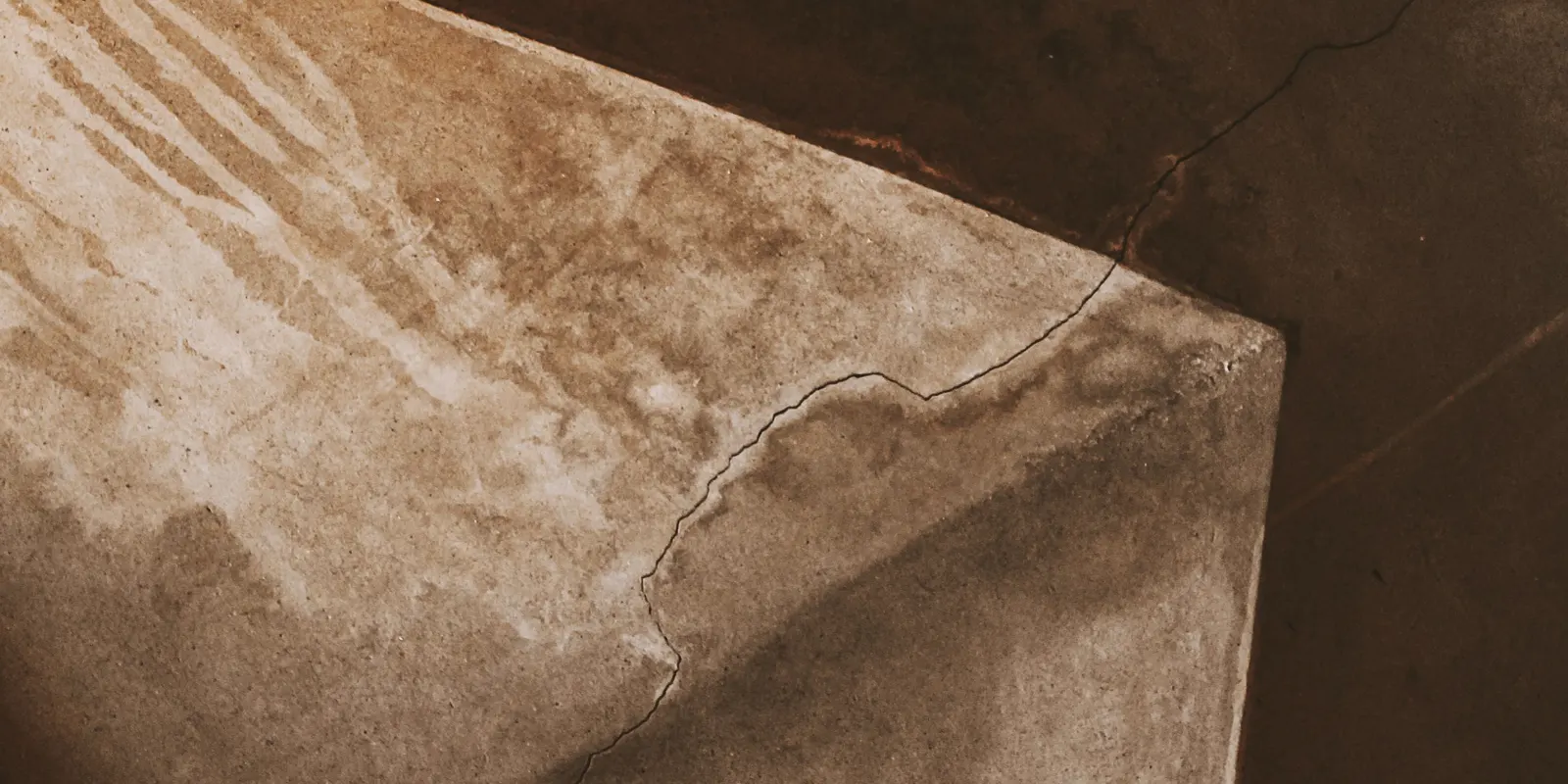
The stain traced to its leak
A brown ring on a ceiling has a source. A roof, an AC line, a shower above. We find it before we close the ceiling. If it is a licensed trade's job, they are named in the scope and they go first.
The light in the room checked
We look at each wall in the job at different times of day if we can. Side light picks level 5. Overhead light can take level 4. It is written per wall in the scope.
The board behind it checked
Wet drywall crumbles and grows mold. Pressing the wall around a stain tells us how far the damage went. Soft board comes out to dry framing. Mud over wet board is a stain that comes back.
The texture sampled
We spray a test patch of texture on a scrap board and hold it against your wall. Orange peel, knockdown, or smooth. You see the match before it goes on the wall.
The permit named, if a wall is new or replaced
In Hillsborough, replacing drywall or building a new wall is on the permit list. A patch is not. The scope says which case you are in and who applies.
What is included, and where it ends.
A written scope is only worth something if it says where it stops. These are the lines we put in writing before anything is ordered.
How long the room is out of use.
The room is usable the whole time, except during sanding. Mud dries between coats, and there are 3 or 4 coats. A patch is 2 to 3 short visits over a few days. A ceiling or a new wall is a week with texture and paint. Your scope has the dates.
When we tell you not to do it
Drywall is cheap to patch and easy to patch wrong. Here is where we say no, and why.
Closing a ceiling under a leak that is not fixed
The stain comes back in the first rain. The leak gets fixed by the right trade first. Then we close the ceiling. We will not mud over a problem that is still running.
Painting only the patch
The best patch in the world shows if the paint stops at its edge. Old paint has faded. New paint has not. The wall gets painted corner to corner, or we tell you it will show.
Level 4 on a wall with side light
If the afternoon sun rakes across the wall, level 4 shows every seam. We will say so and price level 5. If you choose 4 anyway, it is written in the scope.
Mud over a crack that is still moving
A crack that reopens every year is the house moving. Filling it again is filling it again. The movement gets looked at first, sometimes by an engineer. Then the crack gets repaired with mesh, not just mud.
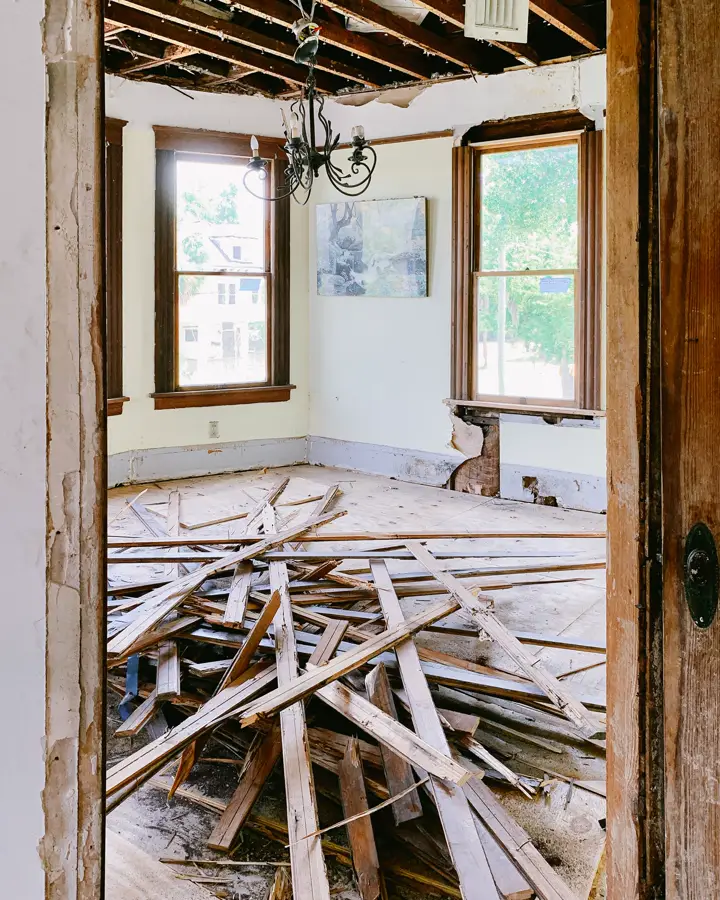
Lifetime warranty on our workmanship.
If the work we did fails, we come back and fix it. That holds for as long as you own the home. On drywall it means the repair stays invisible. Seams that do not show, texture that matches, and paint that stays bonded.
A warranty is only worth what its exclusions say. Ours are above, in the same size type as the promise. Ask whoever you are talking to how long theirs runs, and get the number in writing.
Questions we actually get asked
Can a drywall patch really be invisible?
Yes, if three things happen. The mud is feathered wide in thin coats and finished to the level the light demands. The texture is matched and sampled first. And the wall is painted corner to corner. Skip any one and the patch shows.
What are drywall finish levels?
A trade standard, GA-214, that grades the finish from 0 to 5. Level 4 is the usual for painted walls. Level 5 adds a thin skim coat over the whole surface. It is for walls with strong side light or glossy paint. The scope names the level per room.
Do I need a permit for drywall?
For a patch, no. In Hillsborough County, replacing drywall or building a new wall is on the permit list. The scope says which case you are in and who applies. If a licensed trade is behind the wall, they pull their own permit too.
Can you match my wall texture?
Almost always. Orange peel and knockdown are the common ones in Tampa Bay. We spray a sample on a scrap board and hold it to your wall before anything goes on. If your texture is unusual, we tell you how close we can get.
How do I know if the drywall is wet behind the stain?
Press around the stain. Sound drywall is firm. Wet drywall gives, and it may crumble. A moisture meter tells the rest. Wet board comes out to dry framing. Mud over wet board is a stain that returns.
How long until I can paint?
After the last coat is dry and sanded, and the texture has cured, usually a day. Primer goes on first, because bare mud drinks paint. Then two coats. If we are painting, the dates are in the scope.
The other home remodeling services
Where we work
Hillsborough, Pinellas, Pasco, Manatee and Sarasota counties. If your town is not on this list, call and ask: the answer is often yes.
A walkthrough, then a written scope with one closed price.
Never hourly, never a verbal figure, and our workmanship carries a lifetime warranty. Hillsborough, Pinellas, Pasco, Manatee and Sarasota counties.