Concrete driveway replacement in Tampa Bay.
Concrete cracks. Every slab does. A good driveway decides where it cracks, with joints cut on purpose. A bad one lets the slab decide, and the slab picks the worst spot. A concrete driveway replacement is not about the concrete. It is about the base under it, and the lines cut into it.
Priced by written scope, never by the hour.
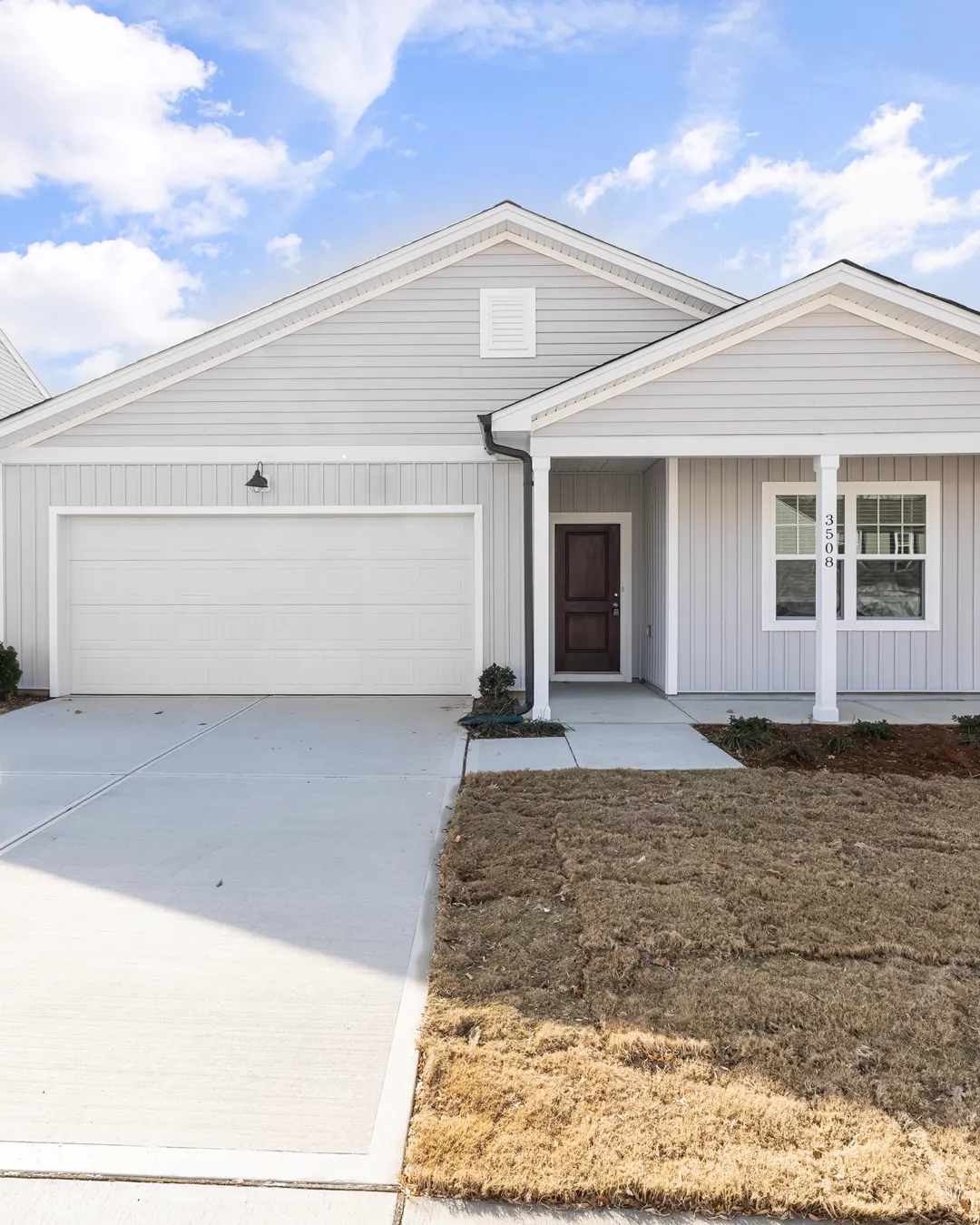
Every slab cracks. A concrete driveway replacement decides where.
Driveway pages show smooth gray slabs. None of them tells you that concrete shrinks as it cures, and that shrinking is what cracks it. Here is what to ask before you hire anyone, including us.
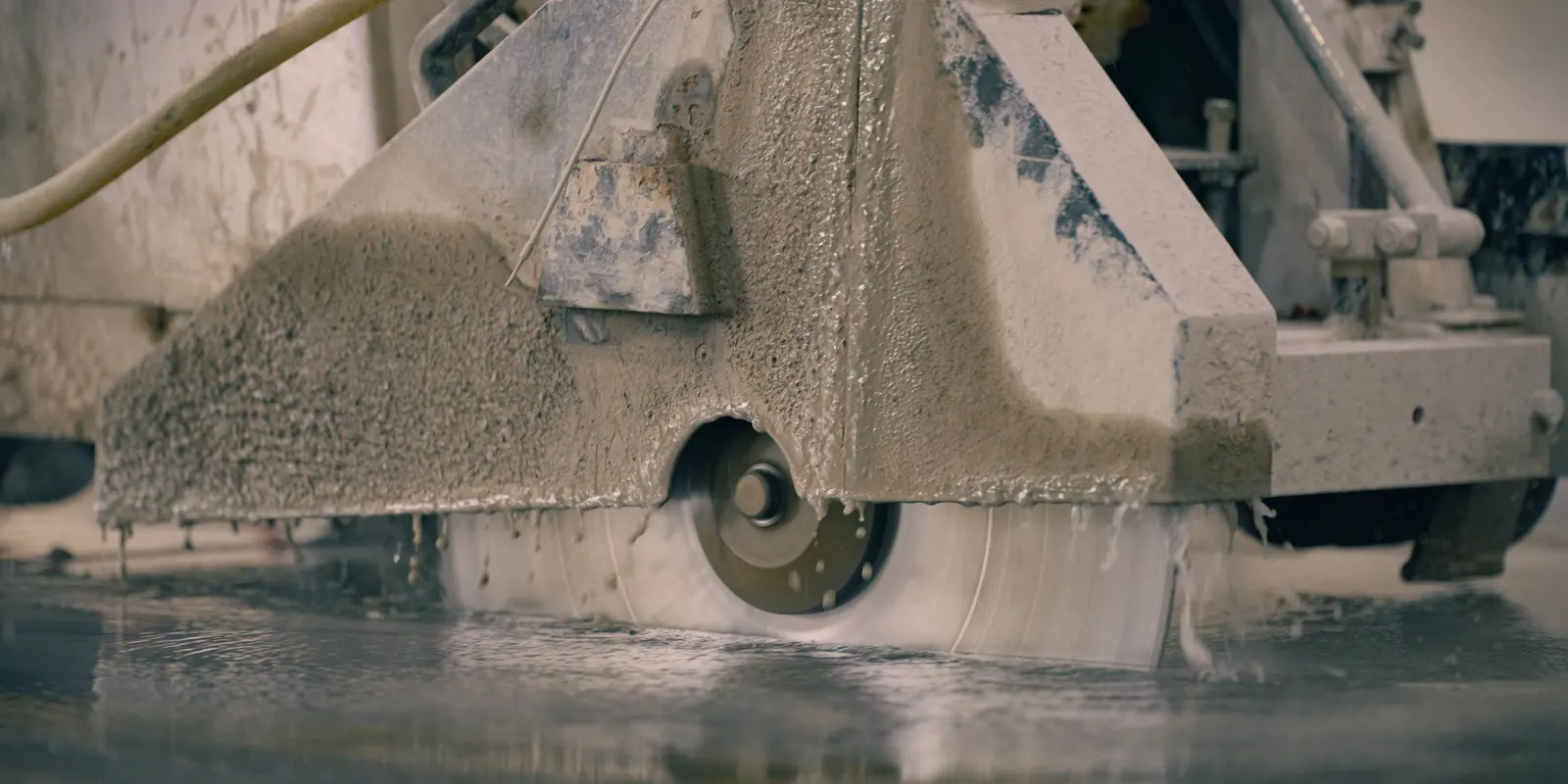
Concrete shrinks as it dries
A fresh slab loses water for weeks. As it dries, it gets a little smaller. Something has to give, so it cracks. That is not a defect. It is what concrete does. The question is whether the crack runs along a straight cut, or across the middle of your driveway.
Joints are planned cracks
A control joint is a groove cut about a quarter of the depth of the slab. It makes a weak line, so the slab cracks there, out of sight in the groove. The rule of thumb is spacing of 2 to 3 times the thickness, in feet. A 4 inch slab wants a joint every 8 to 12 feet.
The base is the part you never see
Concrete is strong when it is pushed and weak when it is bent. A soft spot under the slab lets it bend, and it snaps. The base is dug out, crushed stone goes in, and it is compacted in layers. Skip that and the slab is a bridge over nothing.
Thickness is not a style choice
Most Tampa Bay codes call for 4 inches on your lot. The apron is 6 inches, because the garbage truck rides over it. Thicker costs more concrete and a bit more digging. It is the cheapest insurance in the job.
The base and the apron decide the price. The finish barely does.
Two driveways of the same size can price far apart. The broom finish is the same. Here is what actually moves the number.
What comes out, and how thick it is
Breaking up an old 4 inch slab is a day with a machine. An old 6 inch slab with rebar is more. A driveway with a second slab poured over the first is more again. We probe the edge on the walkthrough to see what is there.
The base you have, and the base you need
Sandy soil drains and compacts. Soft, wet soil does not. Where the ground is bad, more comes out and more stone goes in. That is the line that changes most from house to house.
The apron and the right of way
The apron by the street is thicker, and it sits in the county right of way. It needs a permit before anyone cuts, and it may need an inspection. The permit, the wait and the thicker pour are all lines in the scope.
Shape, width and the extras
A straight 2 car run is the base case. A turnaround, a curve, a wider apron or a walkway tied in adds forms and cuts. Colored concrete or a stamped finish is its own line. The scope prices each one.
What gets done before the truck comes.
A concrete truck does not wait. Everything has to be ready when it arrives, so the work happens in the days before it.
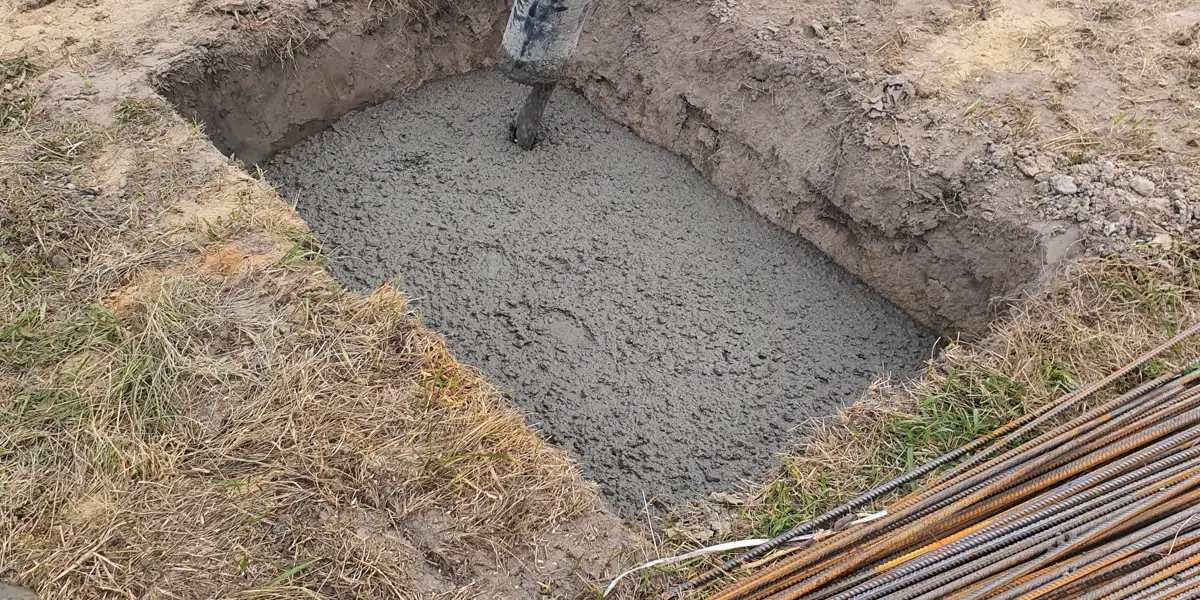
The permit, if the apron is in
If the job touches the apron, the curb or the public sidewalk, the right of way permit is filed first. The pour is scheduled after it is in hand. Pouring first and asking later is how a driveway gets torn out twice.
Utilities marked
Before any digging, the underground lines get marked. It is a free call and it is the law. Water, gas, power and cable all run under front yards. We do not put a machine in the ground without it.
The old slab out and the base rebuilt
The old concrete is broken up and hauled. Soft soil comes out. Crushed stone goes in, in layers, each one compacted. The base is graded to the same slope the finished slab will have.
Forms set, slope checked
Forms are set to the finished height and checked for slope. Water has to run to the street, never to the garage. A quarter inch per foot is the usual fall. We check it with a level before the truck is even ordered.
Joints planned on paper
Where every joint goes is drawn before the pour. Joints line up with the corners of the garage and the edges of the apron. A corner without a joint is where the first wild crack starts.
What is included, and where it ends.
A written scope is only worth something if it says where it stops. These are the lines we put in writing before anything is ordered.
How long you park on the street.
The work takes days. The waiting takes weeks. Concrete carries foot traffic in a day or two and a car after about 7 days. It reaches its design strength at 28 days, and heavy vehicles wait for that. The scope has the dates, and the curing time is in them.
When we tell you not to do it
A new slab is the biggest driveway job. That makes it easy to sell to someone who needs a smaller one. Here is where we say no, and why.
The slab is sound and only looks tired
One or two hairline cracks and some stains do not add up to a replacement. Repair and resurfacing may be the whole job. We will tell you on the walkthrough, and we will show you why.
A live root is doing the lifting
New concrete over a growing root cracks again in a year or two. The root gets handled first, with an arborist if the tree matters to you. Or the driveway gets routed around it. We do not pour over a problem.
The water problem is the whole lot
If the yard drains toward the house, a new slab will not change that. The grading gets fixed first. Otherwise the new driveway just moves the puddle to a new spot.
You want it done this week
A permit takes time, and concrete takes time to cure. A crew that promises a driveway in 3 days is skipping one of the two. We schedule around the permit and the cure, and we say so up front.
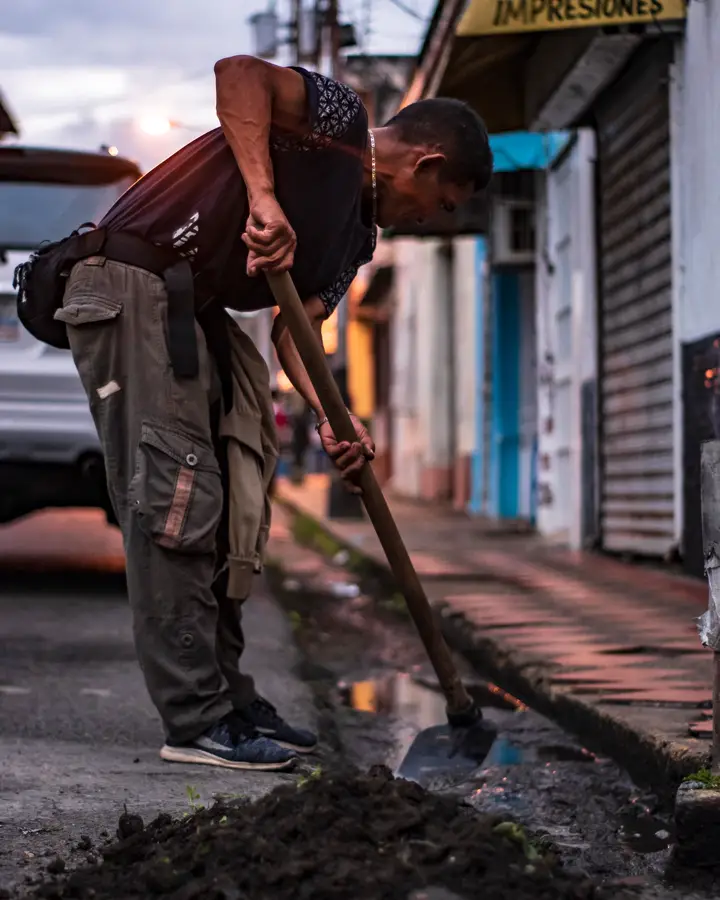
Lifetime warranty on our workmanship.
If the work we did fails, we come back and fix it. That holds for as long as you own the home. On a new slab it means the base and the joints. If the slab cracks somewhere other than a joint because of how we built the base, that is ours.
A warranty is only worth what its exclusions say. Ours are above, in the same size type as the promise. Ask whoever you are talking to how long theirs runs, and get the number in writing.
Questions we actually get asked
How thick should a concrete driveway be?
Most Tampa Bay codes call for 4 inches on your lot and 6 inches at the apron by the street. Your city sets the exact number and we follow it. Thicker is never wrong. It is a little more concrete for a lot more life.
How long before I can park on it?
About 7 days for a car. Concrete keeps getting stronger for weeks, and it reaches its design strength at 28 days. A moving truck or a heavy trailer waits for that. Your scope has the dates.
Do I need a permit to replace my driveway?
For the apron, the curb cut and the public sidewalk, yes. That part is county right of way, and Hillsborough County requires a permit before anyone cuts. For the part on your lot, it depends on your city. The scope names who applies.
Will the new driveway crack?
Yes, and that is planned. Concrete shrinks as it cures, so it cracks. The joints we cut give it a place to do that, out of sight. A crack in the field, away from a joint, is a base problem, and that one is on us.
Can you pour over the old driveway?
We will not. A slab over a slab follows every crack in the old one and adds height at the garage door. The old slab comes out, the base gets rebuilt, and the new one starts level. It is the only way the warranty means anything.
Concrete or pavers?
Concrete costs less up front and is simpler to build. Pavers cost more, can be lifted and reset, and hide a repair better. Both need the same base work. Pick by how you want it to look in 15 years and what you want to be able to fix.
The other driveway services
Where we work
Hillsborough, Pinellas, Pasco, Manatee and Sarasota counties. If your town is not on this list, call and ask: the answer is often yes.
A walkthrough, then a written scope with one closed price.
Never hourly, never a verbal figure, and our workmanship carries a lifetime warranty. Hillsborough, Pinellas, Pasco, Manatee and Sarasota counties.