Paver driveway installation in Tampa Bay.
A paver driveway is not the pavers. It is the base under them and the edge around them. The stones are the last thing to go in and the first thing you see. Done right, a paver driveway outlasts concrete and can be fixed one stone at a time. Done badly, it ruts under the tires in a year.
Priced by written scope, never by the hour.
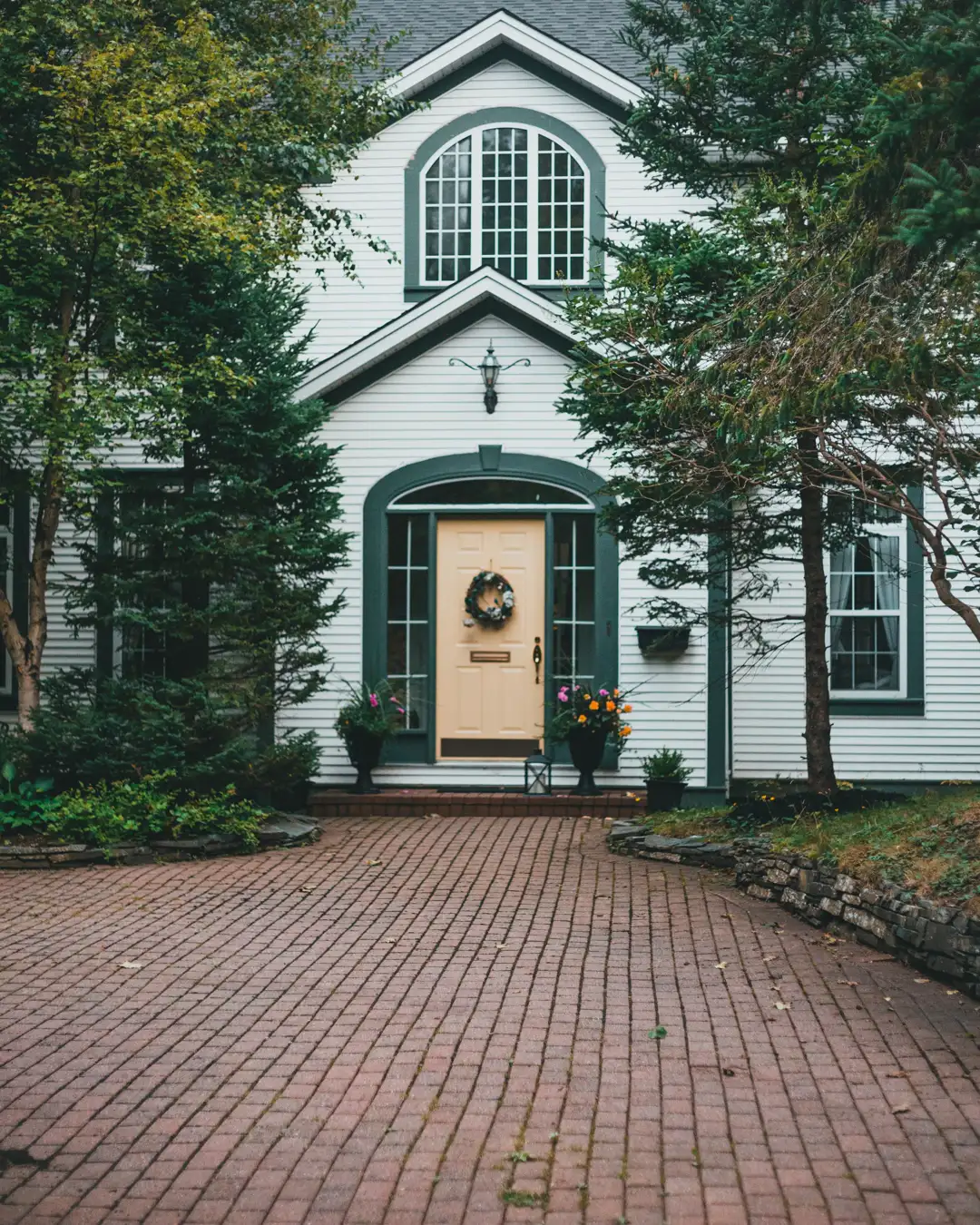
A paver driveway is sitting on 6 inches you will never see.
Paver pages show colors and patterns. None of them shows the stone under the stones. That is where a paver driveway lives or dies. Here is what to ask before you hire anyone, including us.
The base carries the car, not the paver
A paver is about 2 to 3 inches thick. It spreads the weight of a tire to the base under it. The trade standard for a residential driveway is 6 inches of compacted crushed stone. On soft ground it is more. A base done in one layer and never compacted is a driveway with ruts.
The edge is what keeps it tight
Pavers stay put because they lock against each other. That only works if the outside row cannot move. A concrete curb, a plastic or aluminum edge restraint spiked into the base, or a poured edge holds it. Without an edge, the driveway spreads and the joints open.
The sand in the joints does the locking
Fine sand swept into the joints and compacted is what turns loose stones into one surface. Polymeric sand hardens with water and keeps weeds and ants out. Regular sand washes out in a Tampa rain. Ask which one is in the number.
Not every paver is a driveway paver
Concrete pavers for vehicles are made to ASTM C936, which sets a minimum strength of 8,000 psi. Thin patio pavers and some clay bricks are not made for tires. The scope names the paver, its thickness and the standard it meets.
The base and the edge decide the price. The pattern barely does.
Two paver driveways of the same size can price far apart. The stone on top is not the reason. Here is what actually moves the number.
How deep the base has to go
Six inches of stone on good sandy soil is the base case. Soft or wet soil needs the bad ground dug out and more stone put in. Every inch of depth is more digging, more stone and more hauling. We probe the ground on the walkthrough.
The edge you have, and the edge you need
A driveway between two concrete walks already has an edge. One that runs into the lawn on both sides needs a restraint the whole length. Poured concrete edges cost more than spiked plastic and last longer. The scope names which one.
The paver itself
A plain gray rectangle costs less than a tumbled, multi color stone. Thicker vehicle pavers cost more than thin ones and are the only kind we lay on a driveway. Pattern matters less than people think, except a herringbone, which uses more cuts.
The cuts, the apron and the extras
Curves and angles mean cut pavers, and cuts take time. The apron by the street sits in the right of way and needs a permit. A border in a second color, a walkway tied in, or lighting in the border are their own lines.
What gets built before the first paver goes down.
Most of a paver driveway happens before anyone sees a paver. These are the steps, in order, and each one is in the scope.
Utilities marked, permit filed
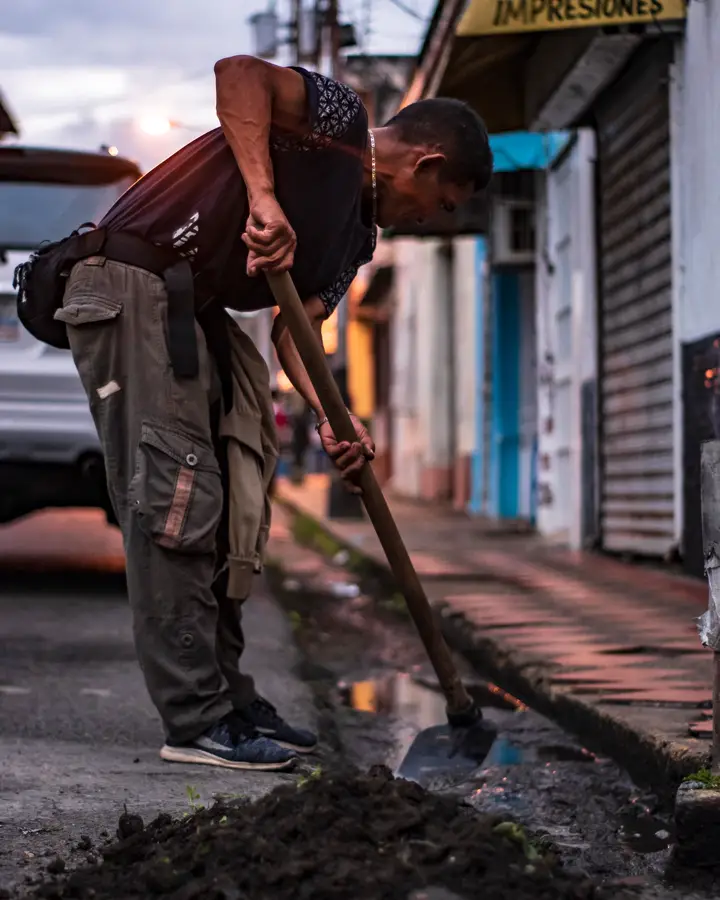
Underground lines get marked before any digging. If the apron or the public sidewalk is in the job, the right of way permit comes first. It is in hand before we start.
Dig out to the full depth
The old surface comes out, and then the soil below it, down to the depth the base needs. On a driveway that is often 9 to 10 inches below the finished height. The dirt is hauled, not spread on your lawn.
Base in layers, compacted every time
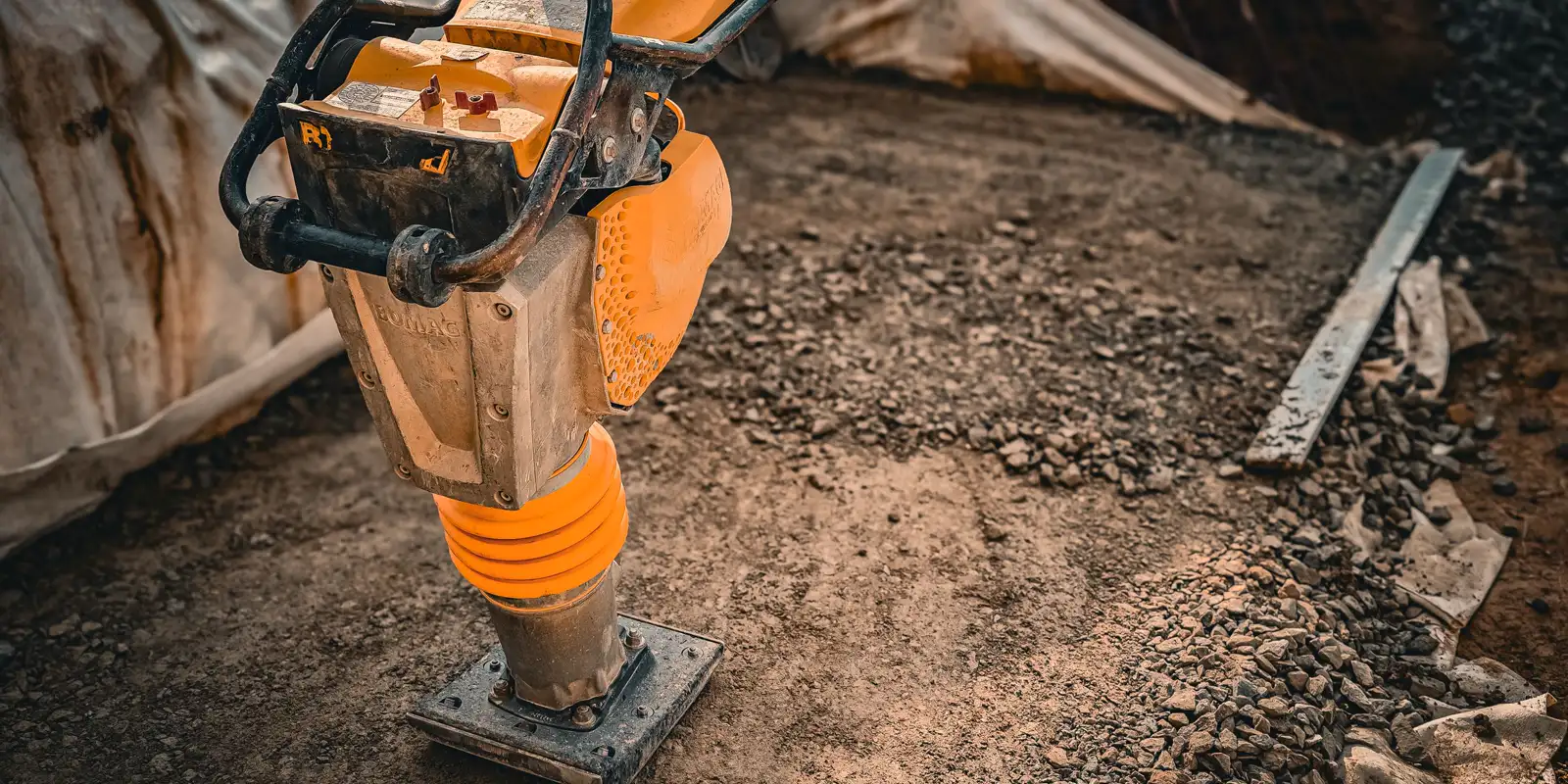
Crushed stone goes in about 2 to 3 inches at a time, and a plate compactor runs over each layer. A base dumped in one lift and compacted once is soft in the middle. This step is slow. It is also the whole warranty.
Edge restraint set on the base
The edge goes in before the pavers, set on the compacted base and spiked or poured. The pavers are laid up to it. An edge added after the fact is sitting on nothing.
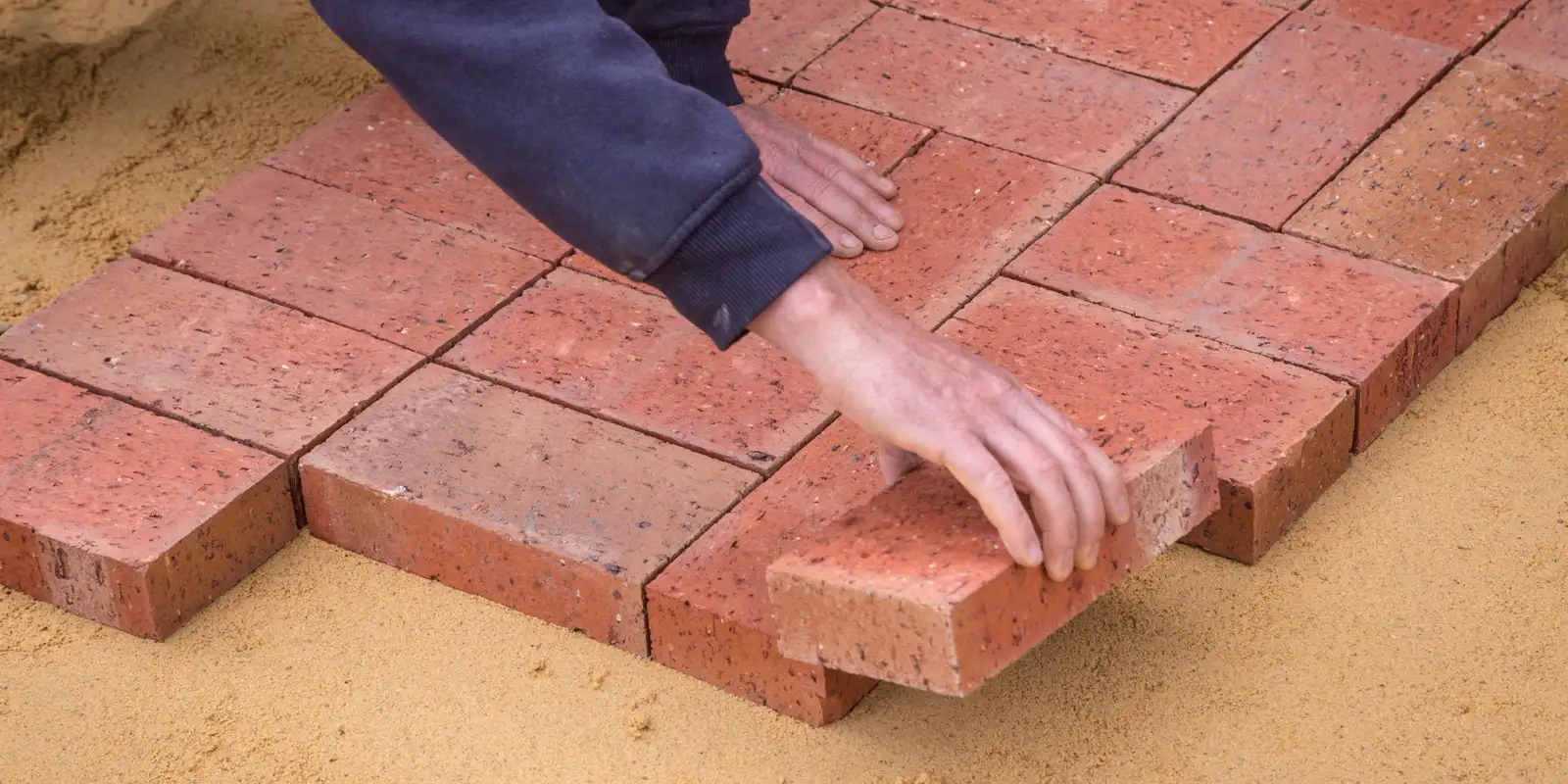
Bedding sand screeded to a thin, even layer
About 1 inch of coarse sand, pulled flat with a screed board. It is not a base and it does not fix a low spot. A thick sand layer to hide a bad base is the most common shortcut in the trade.
What is included, and where it ends.
A written scope is only worth something if it says where it stops. These are the lines we put in writing before anything is ordered.
How long you park on the street.
A paver driveway takes longer to build than a concrete one and is ready to use sooner. There is no curing wait. You can park on it the day the joint sand is compacted. The build itself is days, and most of them are the base. The scope has the dates.
When we tell you not to do it
Pavers are the premium driveway. That makes them easy to sell where they do not belong. Here is where we say no, and why.
The budget only covers the pavers
Pavers are about a third of a paver driveway. The base, the edge, the digging and the hauling are the rest. If the number in your head is the price of the stone, wait and do it once.
Pavers over the old concrete
Some companies glue thin pavers on top of a slab. It raises the driveway at the garage door and follows every crack underneath. We do not do it. The old slab comes out, and the base goes in.
The ground is wet most of the year
A base sitting in water does not stay compacted. If the spot stays wet after rain, the drainage gets fixed first. A paver driveway on a swamp ruts no matter how well it is built.
You want zero maintenance
Pavers want the joint sand topped up now and then, and weeds pulled if the sand fails. If you never want to think about the driveway again, a concrete driveway is the honest answer.
Lifetime warranty on our workmanship.
If the work we did fails, we come back and fix it. That holds for as long as you own the home. On a paver driveway it means the base and the edge. If pavers rut or spread because of how we built under them, that is ours.
A warranty is only worth what its exclusions say. Ours are above, in the same size type as the promise. Ask whoever you are talking to how long theirs runs, and get the number in writing.
Questions we actually get asked
Are pavers better than concrete for a driveway?
Neither is better. They are different. Pavers cost more, last longer, and can be lifted and reset if something moves. Concrete costs less and is simpler. Both fail the same way, from a bad base. Pick by the look you want and what you want to be able to fix.
How thick should driveway pavers be?
Vehicle pavers are usually 60 to 80 millimeters, about 2 and a half to 3 inches. Thin patio pavers are not made for tires. The scope names the paver, its thickness and the standard it meets, which for concrete pavers is ASTM C936.
Do pavers need to be sealed?
No. Sealing is optional. It deepens the color and makes stains easier to clean. It also has to be redone every few years. If you seal, wait until the joint sand has cured. It is its own line in the scope, or you can do it yourself.
How long before I can drive on a new paver driveway?
The same day the joint sand is compacted. There is no curing wait like concrete. The build takes days, and most of that is the base. Your scope has the dates.
Do weeds grow between pavers?
They can, if the joints are filled with regular sand. Polymeric sand hardens with water and keeps most weeds and ants out. It wears over the years and gets topped up. That is normal care, not a defect.
Do I need a permit for a paver driveway?
For the apron, the curb cut and the public sidewalk, yes. That part is county right of way. For the part on your lot, it depends on your city. The scope names who applies and the pour is scheduled after the permit.
The other driveway services
Where we work
Hillsborough, Pinellas, Pasco, Manatee and Sarasota counties. If your town is not on this list, call and ask: the answer is often yes.
A walkthrough, then a written scope with one closed price.
Never hourly, never a verbal figure, and our workmanship carries a lifetime warranty. Hillsborough, Pinellas, Pasco, Manatee and Sarasota counties.