Walkway and sidewalk repair in Tampa Bay.
A walkway is the smallest concrete on the lot and the one people fall on. A lifted edge of a quarter inch is a trip. The front walk is yours. The sidewalk by the street is the county's, and it has rules of its own. Walkway and sidewalk repair is knowing which is which, and what each one needs.
Priced by written scope, never by the hour.
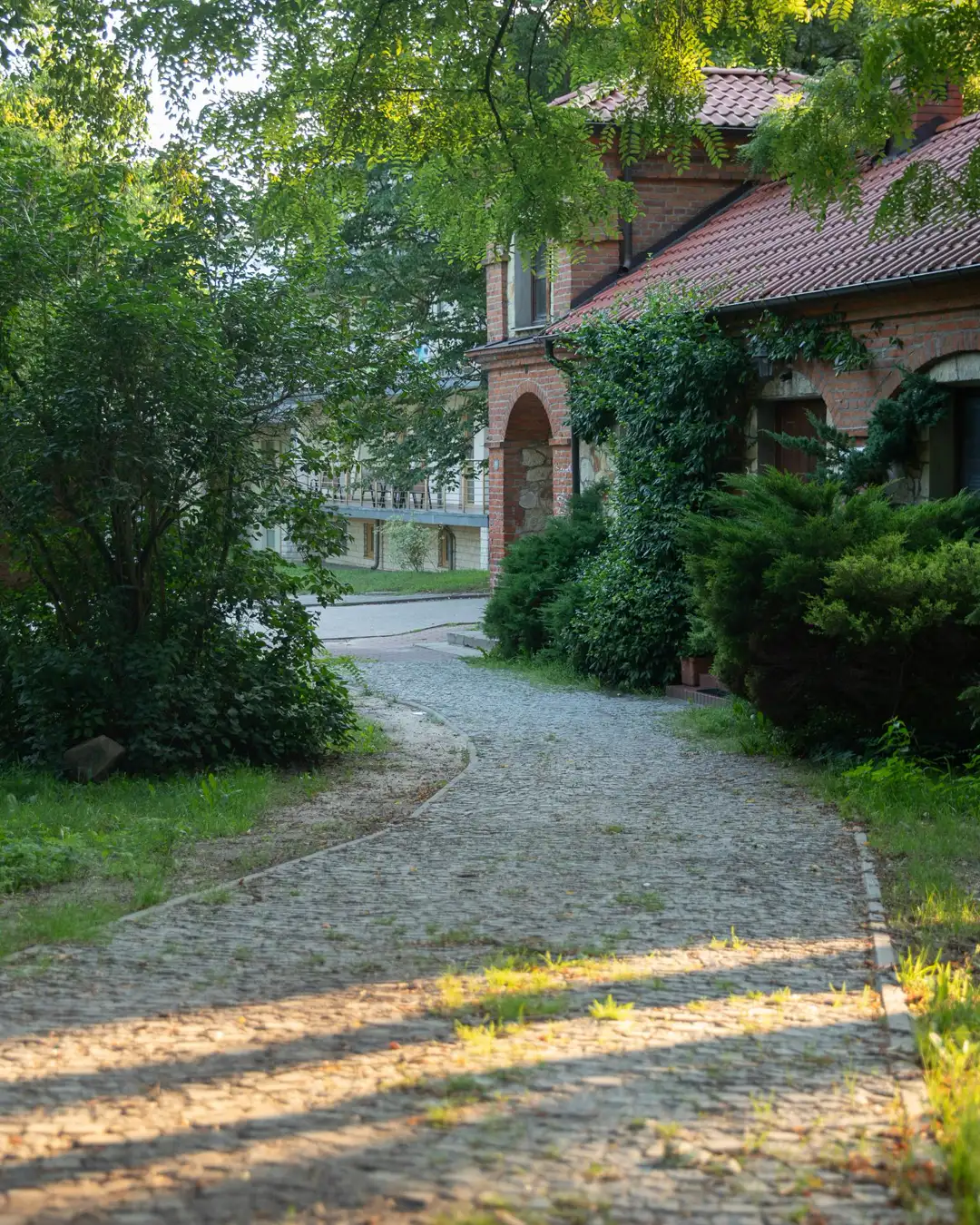
Whose sidewalk it is decides how sidewalk repair gets done.
Walkway pages talk about curb appeal. None of them tells you that the concrete at the street is not yours. Not even when you pay to fix it. Here is what to know before you hire anyone, including us.
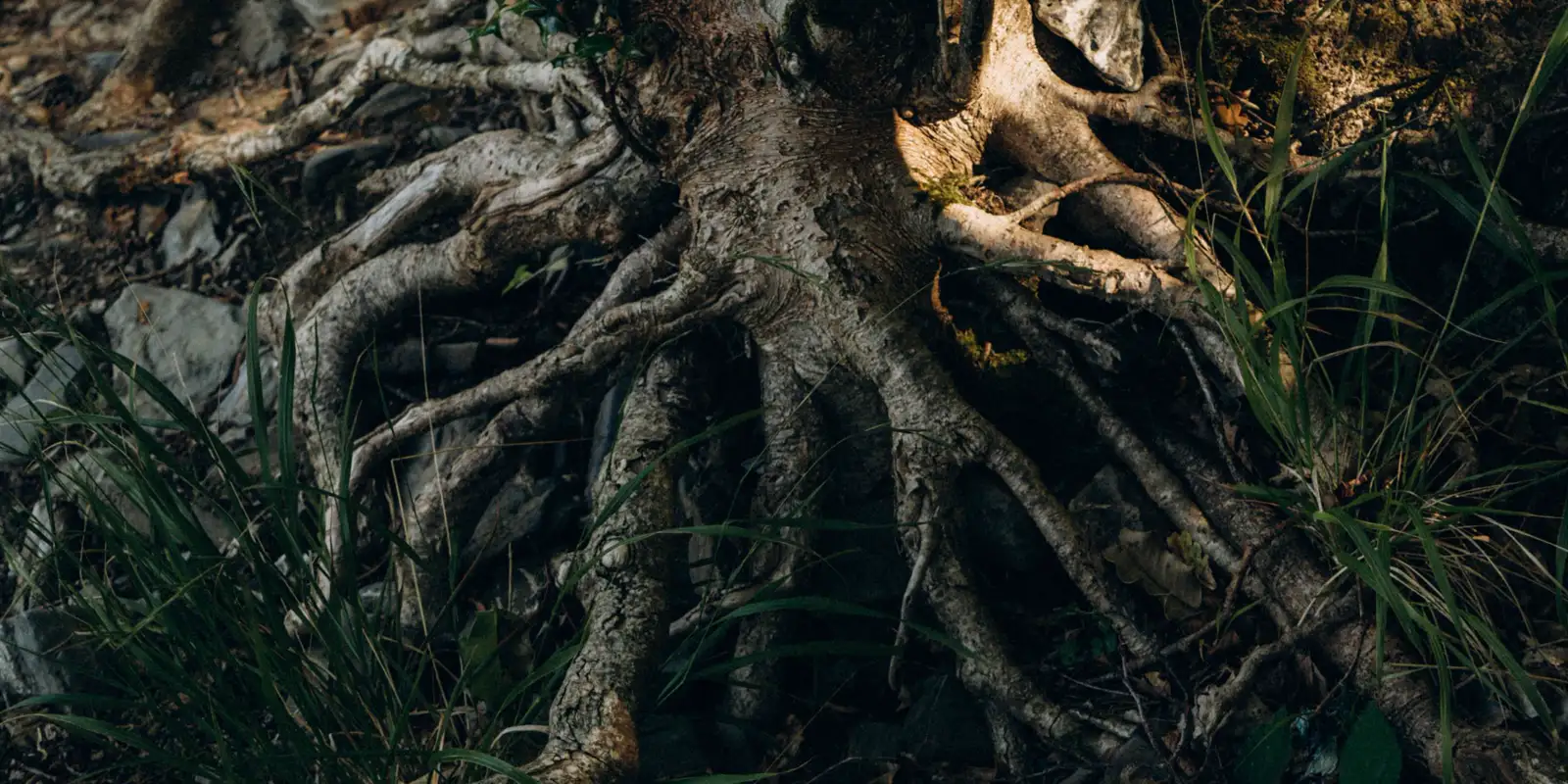
The public sidewalk sits in the right of way
The strip between the street and your lawn belongs to the county or the city. The sidewalk in it does too. Work there needs a right of way permit, and the new concrete has to match the public standard. Some cities repair it themselves. Some send you a notice to.
A trip edge is a quarter inch
The federal accessibility standard treats a vertical change over a quarter inch as a hazard on a public walk. Above half an inch it has to be fixed, not beveled. That is the line inspectors use. It is also the line a lawyer uses after a fall.
Slope has a limit too
A public walk cannot tilt sideways more than 2 percent, about a quarter inch per foot. Tree roots and settling push walks past that. A new section is poured to the standard, not to match the tilted one next to it.
Your front walk has no inspector and the same physics
The walk from the driveway to the door is yours. Nobody checks it. It lifts and cracks for the same reasons as the public one, and people fall on it the same way. We fix it the same way, minus the permit.
The number of sections decides the price. The location decides the wait.
A walkway is small. The price is in the sections that come out and the rules where they sit. Here is what actually moves the number.
How many sections are bad
Concrete walks are poured in squares with joints between them. Usually one or two squares have lifted or cracked, not the whole walk. We replace the bad ones and leave the sound ones. The count is most of the price.
Grinding versus replacing
A lifted edge under about an inch can sometimes be ground down to a bevel. It is fast and cheap and it does not fix the cause. A section that lifted more, or that has cracked, comes out and gets poured new.
Public or private
A section in the right of way brings a permit and a wait. Sometimes an inspection, and always a pour to the public standard. The same square on your front walk is a morning. The price and the calendar follow the line.
What is doing the lifting
Almost always a root. The root gets pruned, with the tree's health in mind. Or the new walk gets built over it with a bridge or a ramp. Both are lines in the scope. Pouring over a live root is a new trip edge in 2 years.
What gets checked before we pour.
A walkway repair is small enough to do badly in a morning. So the checking comes first, and each item is written into the scope.
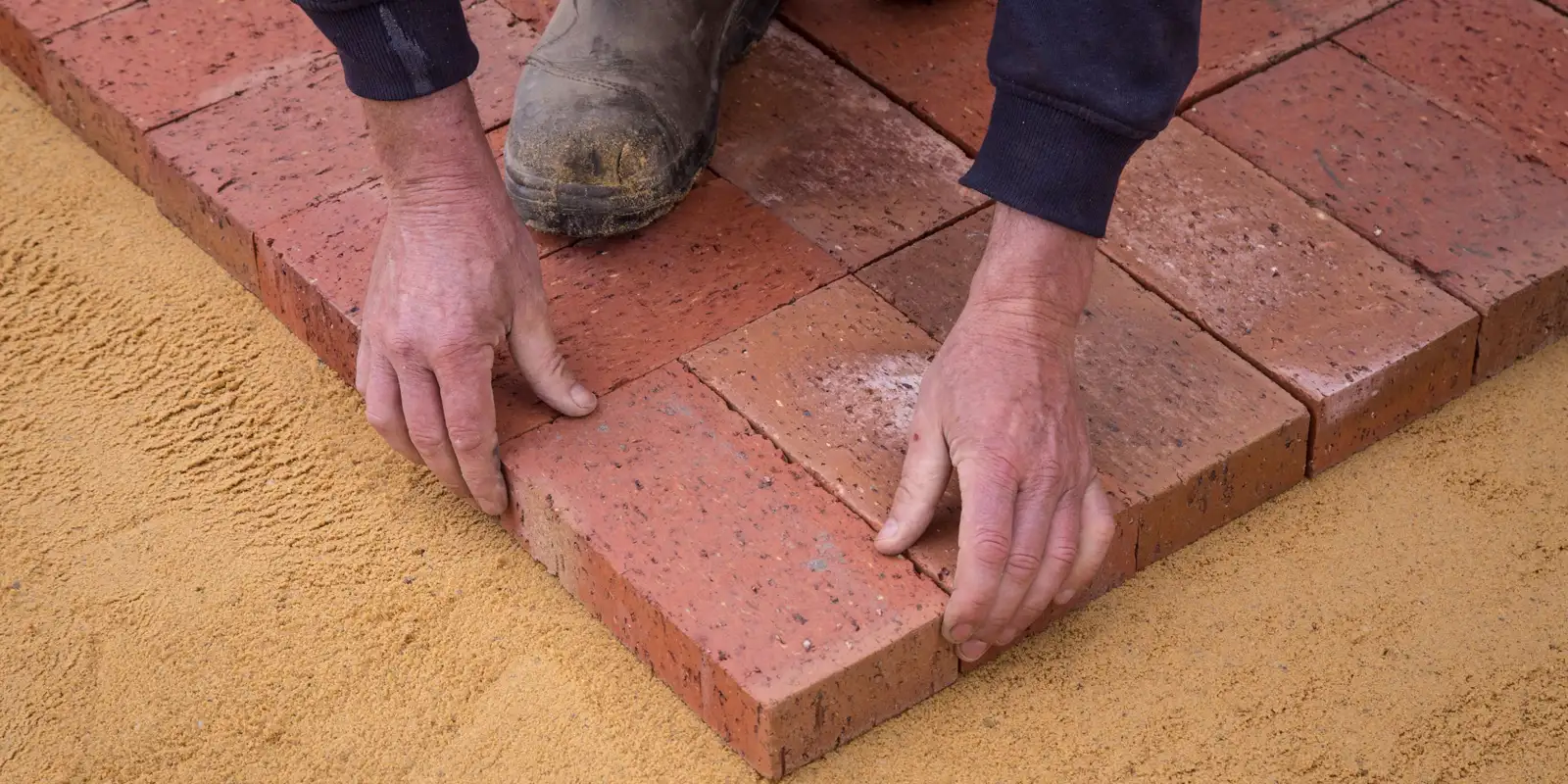
The property line found
We find where your lot ends and the right of way begins. A survey stake, the plat, or the county map. Everything on the street side of that line gets a permit before we touch it.
Every section rated
Each square is checked for the height of the edge, cracks, and tilt. Under a quarter inch and sound stays. Grindable gets ground. Anything more comes out. We mark them with paint so you can see the plan.
The root traced
Where a root is lifting a square, we follow it to the tree. Pruning a big root can kill the tree or drop it in a storm. If the tree matters, an arborist is named in the scope, and the walk is rebuilt around the root.
Utilities marked
Front yards are full of lines. Water, gas, power, cable and irrigation. They get marked before any digging, even for a single square. It is free and it is the law.
Drainage and the door
A front walk should fall away from the house, not toward the door. Where the old one drains at the threshold, the new pour changes that. It is a small slope and a dry entry.
What is included, and where it ends.
A written scope is only worth something if it says where it stops. These are the lines we put in writing before anything is ordered.
How long the path is closed.
Grinding is an hour and you walk on it right away. A replaced square is a morning to pour and about a day before you walk on it. A car does not use a walkway, so there is no 7 day wait. The public sidewalk adds the permit wait before the work, not after. Your scope has the dates.
When we tell you not to do it
A walkway is a small job, which makes it easy to do the wrong small job. Here is where we say no, and why.
Grinding an edge that keeps lifting
If a root lifted the square this much, it will lift it again. Grinding buys a year. Then the edge is back and the square is thinner. We say so, and we price the real fix next to the quick one.
Cutting a big root to save a square
A root as thick as your arm is holding the tree up. Cut it and the tree may lean or fall in the next storm. We will not do it without an arborist saying it is safe. Usually the walk gets rebuilt around the root instead.
Pouring the public walk without the permit
It is a small pour and a big fine, and the county can make you take it out. We file the permit. If the city fixes its own sidewalks, we tell you to call them first. Sometimes it is free.
A new walk to a door that floods
If the entry floods because the yard drains at the house, a new walk does not change that. The grading gets fixed first. Otherwise the new walk is a clean path to the same puddle.
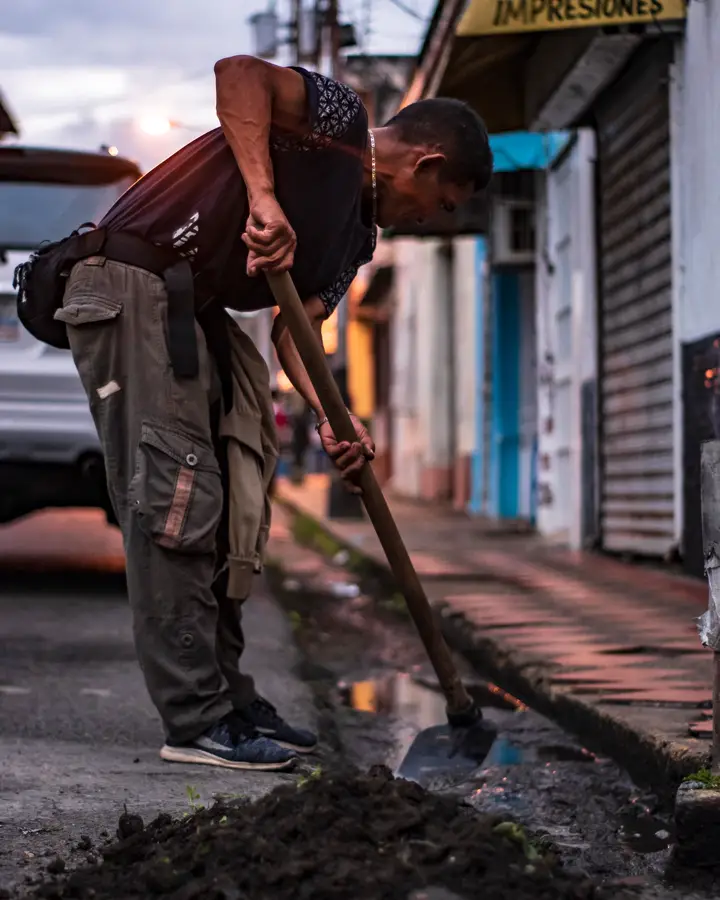
Lifetime warranty on our workmanship.
If the work we did fails, we come back and fix it. That holds for as long as you own the home. On a walkway it means the sections we placed. Level with their neighbors, sloped the way the scope said, sitting on a base we compacted.
A warranty is only worth what its exclusions say. Ours are above, in the same size type as the promise. Ask whoever you are talking to how long theirs runs, and get the number in writing.
Questions we actually get asked
Who is responsible for the sidewalk in front of my house?
The sidewalk at the street sits in the public right of way, so the county or the city owns it. Who pays to fix it depends on the city. Some repair it themselves. Some notify the owner to. Either way, work on it needs a permit, and we file it.
How high does a sidewalk edge have to be before it is a hazard?
The federal accessibility standard draws the line at a quarter inch. Between a quarter and half an inch the edge can be beveled. Above half an inch the section gets repaired. Those are the numbers an inspector uses, and the ones a lawyer uses after a fall.
Can you grind down a lifted sidewalk instead of replacing it?
Sometimes. An edge under about an inch can be ground to a bevel in an hour. It fixes the trip and not the cause. If a root is doing the lifting, the edge comes back. We price the grind and the real fix side by side.
Do you replace the whole walkway or just the bad parts?
Just the bad squares, almost always. Walks are poured in sections with joints, so one section can come out clean. New concrete will look brighter than old for a year or two. If matching matters more than cost, the whole walk is its own scope.
What about the tree root under my walk?
We follow it to the tree first. A small root can be pruned. A big one is holding the tree up and stays. Then the walk gets rebuilt over it with a gentle ramp or a bridge. The root can grow and the walk stays flat.
How long until I can walk on the new section?
About a day. Concrete holds foot traffic long before it holds a car. The wait on a public sidewalk is the permit before the work, not the cure after. The scope has both dates.
The other driveway services
Where we work
Hillsborough, Pinellas, Pasco, Manatee and Sarasota counties. If your town is not on this list, call and ask: the answer is often yes.
A walkthrough, then a written scope with one closed price.
Never hourly, never a verbal figure, and our workmanship carries a lifetime warranty. Hillsborough, Pinellas, Pasco, Manatee and Sarasota counties.