Driveway repair and resurfacing in Tampa Bay.
Some driveways are sound and only look tired. Some are done and only look sound. Driveway repair is the job of telling those two apart before spending money on the wrong one. A crack can be a surface thing. It can also be the slab telling you the base is gone.
Priced by written scope, never by the hour.
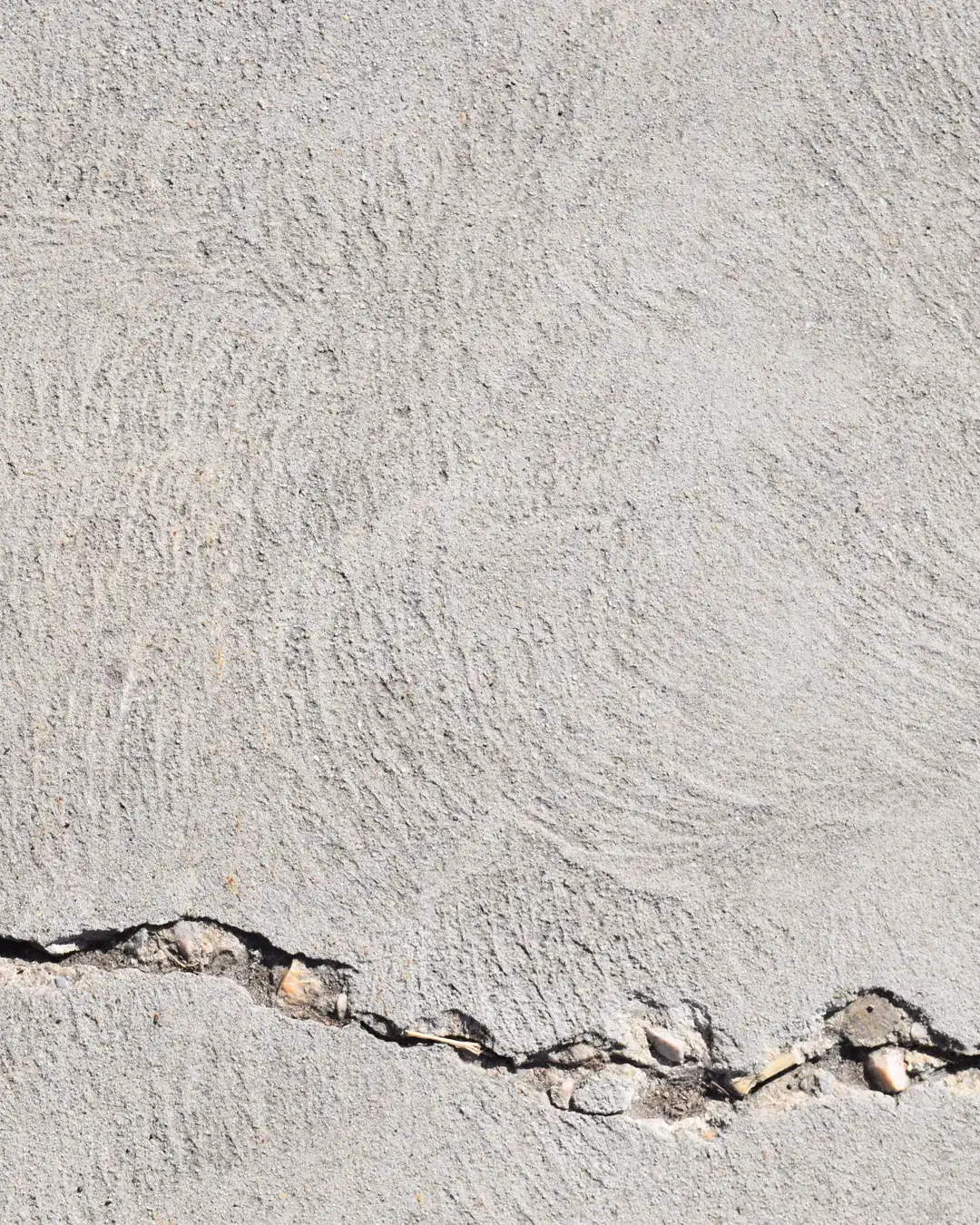
How to read a crack before you pay for driveway repair.
Repair pages sell fillers and coatings. None of them tells you which cracks those products cannot fix. Here is how to read your own driveway before you hire anyone, including us.
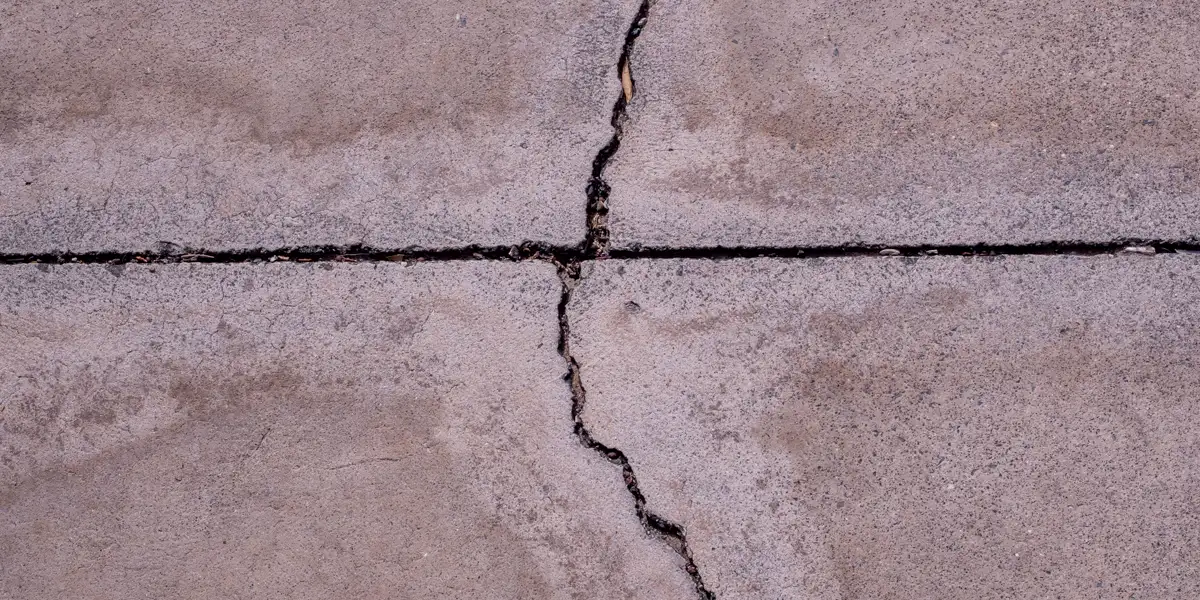
A hairline crack is normal
Concrete shrinks as it cures, and thin cracks that do not go through the slab are part of that. If both sides are level and the crack is under an eighth of an inch, it is cosmetic. Sealing it keeps water out. That is the whole repair.
A step between the two sides is not
Run your foot across the crack. If one side is higher than the other, the slab has moved. That means the base under one side settled or washed out. No filler fixes that. Either that section gets lifted, or it gets replaced.
A crack that grows is a live problem
Mark the end of the crack with a pencil and check it in a month. If it grew, something is still pushing. A root, water under the slab, or a base that keeps settling. Repairing a crack that is still moving is repairing it every year.
Spalling is the surface, and it has a cause
When the top layer flakes off in patches, that is spalling. In Florida it usually means too much water in the mix, or a finish that was worked too long. A resurfacing coat can fix the look. It will not last if the slab underneath is soft.
The kind of crack decides the price, not the length.
A 20 foot hairline crack is a small job. A 2 foot crack with a step is a big one. Here is what actually moves the number on driveway repair.
Sealing versus lifting versus replacing a section
Sealing cracks is hours. Lifting a sunken section, by pumping foam or grout under it, is a day and a specialist. Cutting out and replacing a section is a small pour with its own cure time. The walkthrough puts each crack in one of the three.
How much of the surface needs a new face
Resurfacing puts a thin new layer over the whole slab. It is priced by the square foot, and it only works on a slab that is not moving. A few bad patches can be done alone. A whole driveway is a bigger number.
What is causing it
If a downspout dumps water under the edge of the slab, the fix includes the downspout. If a root is lifting a corner, the fix includes the root. Repairing the crack without the cause is money spent twice.
Whether the apron is in it
A broken apron sits in the county right of way. Repairing it needs a permit and sometimes a thicker pour. It is its own line, with its own wait.
What gets checked before any repair.
A repair only holds if the slab underneath is done moving. So the checking comes first, and it is written down before we quote.
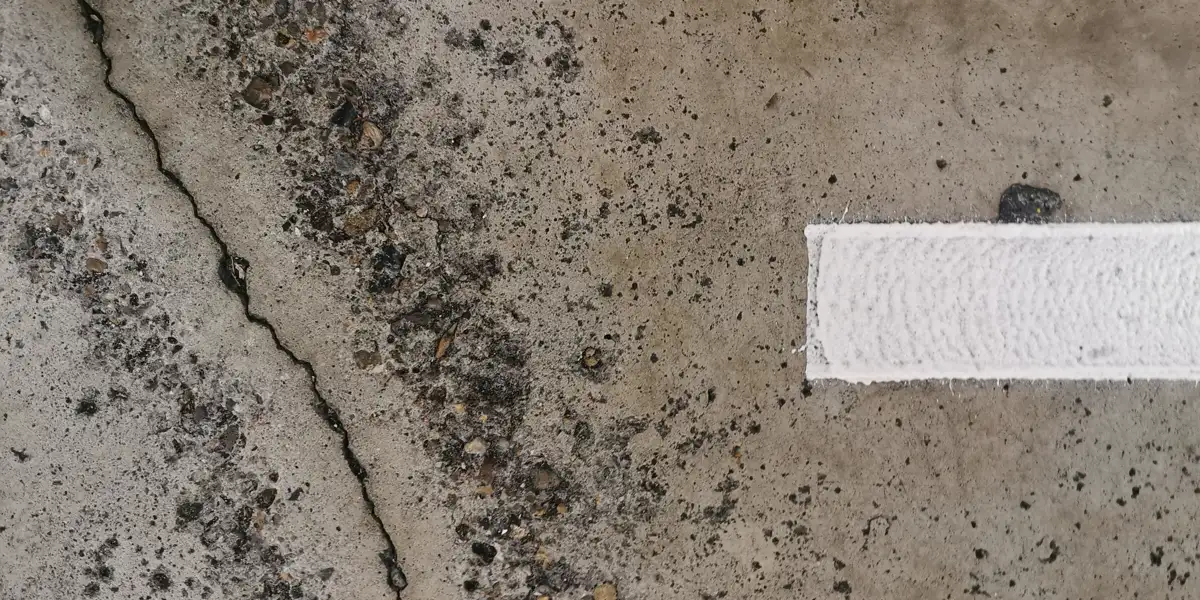
Every crack measured and marked
Width, whether it goes through, and whether the two sides are level. We mark the ends. If you have a month, we would rather come back and see if they grew.
The slab tapped for hollows
A slab that sounds hollow when tapped has a void under it. Water or settling took the base away. That section is a candidate for lifting, not for filler. We map the hollow spots before we write the scope.
Where the water goes
Downspouts, the slope of the lawn, a neighbor's runoff. Water under the edge of a slab is the most common cause of a sunken corner. If we find it, the fix goes in the scope. A repair without it will not hold.
Roots and what is under the edge
A root lifting a slab is visible at the edge if you look. We probe the base at the crack. Sand, soil or nothing tells us whether the section can be saved.
The right of way line
If a bad section is at the street, we check where the property line is. The apron and the public walk have their own permit. That goes in the scope before anything is cut.
What is included, and where it ends.
A written scope is only worth something if it says where it stops. These are the lines we put in writing before anything is ordered.
How long you park on the street.
Crack sealing is a day and you can drive on it the next morning. Lifting a section is a day and it takes weight within hours. A cut out and replaced section cures like any concrete, about 7 days for a car. A full resurfacing coat has its own cure, set by the product. Your scope has the dates.
When we tell you not to do it
Repair is the cheap answer, which makes it easy to sell to a driveway that is past it. Here is where we say no, and why.
The slab has broken into pieces that move
When sections rock under a tire and the cracks have steps, the base is gone. A repair buys a season. A replacement buys 30 years. We say which one on the walkthrough, and we show you why.
The crack is still growing
If the pencil mark says the crack moved this month, we do not seal it yet. Something is still pushing. We find that first. Sealing a moving crack is a repair you pay for every year.
A coating over a soft slab
Resurfacing products look great on a sound slab. On a slab that flexes or holds water, they peel in a year. If we tap hollows across most of the driveway, we will not sell you an overlay.
The cause is out of reach
If the water comes from a neighbor's lot or a city drain, the repair will not hold. We say so. Sometimes the honest answer is a conversation with the neighbor before a conversation with us.
Lifetime warranty on our workmanship.
If the work we did fails, we come back and fix it. That holds for as long as you own the home. On a repair it means the repair. The sealant we placed and the section we lifted or replaced. The overlay we bonded to a slab we judged sound.
A warranty is only worth what its exclusions say. Ours are above, in the same size type as the promise. Ask whoever you are talking to how long theirs runs, and get the number in writing.
Questions we actually get asked
Can a cracked driveway be repaired, or does it need replacing?
It depends on the crack. Thin cracks with both sides level are sealed and that is the repair. Cracks with a step, or sections that rock, mean the base moved, and a repair will not hold. The walkthrough puts each crack in one of those two.
What is driveway resurfacing?
A thin new layer, about an eighth to a quarter inch, bonded over the old slab. It fixes flaking and stains and gives a new face. It only works on a slab that is not moving. Over a soft or hollow slab, it peels.
Can you lift a sunken section of driveway?
Often, yes. A specialist drills small holes and pumps foam or grout under the slab to raise it. It is a day, and you drive on it within hours. It works when the slab is in one piece. Broken sections get replaced instead.
How long does a driveway crack repair last?
A sealed hairline crack stays sealed for years if the slab is not moving. A crack that is still moving reopens no matter what goes in it. That is why we find the cause first, and why we will not seal a crack that grew last month.
Is it worth repairing an old driveway?
If most of it is sound, yes. Sealing cracks and fixing one bad section costs a fraction of a new slab. If more than a third of it is moving, the repair is money on a driveway that is done. We tell you which on the walkthrough.
Do I need a permit to repair my driveway?
Not for repairs on your lot, in most cities. The apron and the public sidewalk are county right of way and need a permit even for a repair. The scope names who applies.
The other driveway services
Where we work
Hillsborough, Pinellas, Pasco, Manatee and Sarasota counties. If your town is not on this list, call and ask: the answer is often yes.
A walkthrough, then a written scope with one closed price.
Never hourly, never a verbal figure, and our workmanship carries a lifetime warranty. Hillsborough, Pinellas, Pasco, Manatee and Sarasota counties.