Luxury vinyl plank flooring in Tampa Bay.
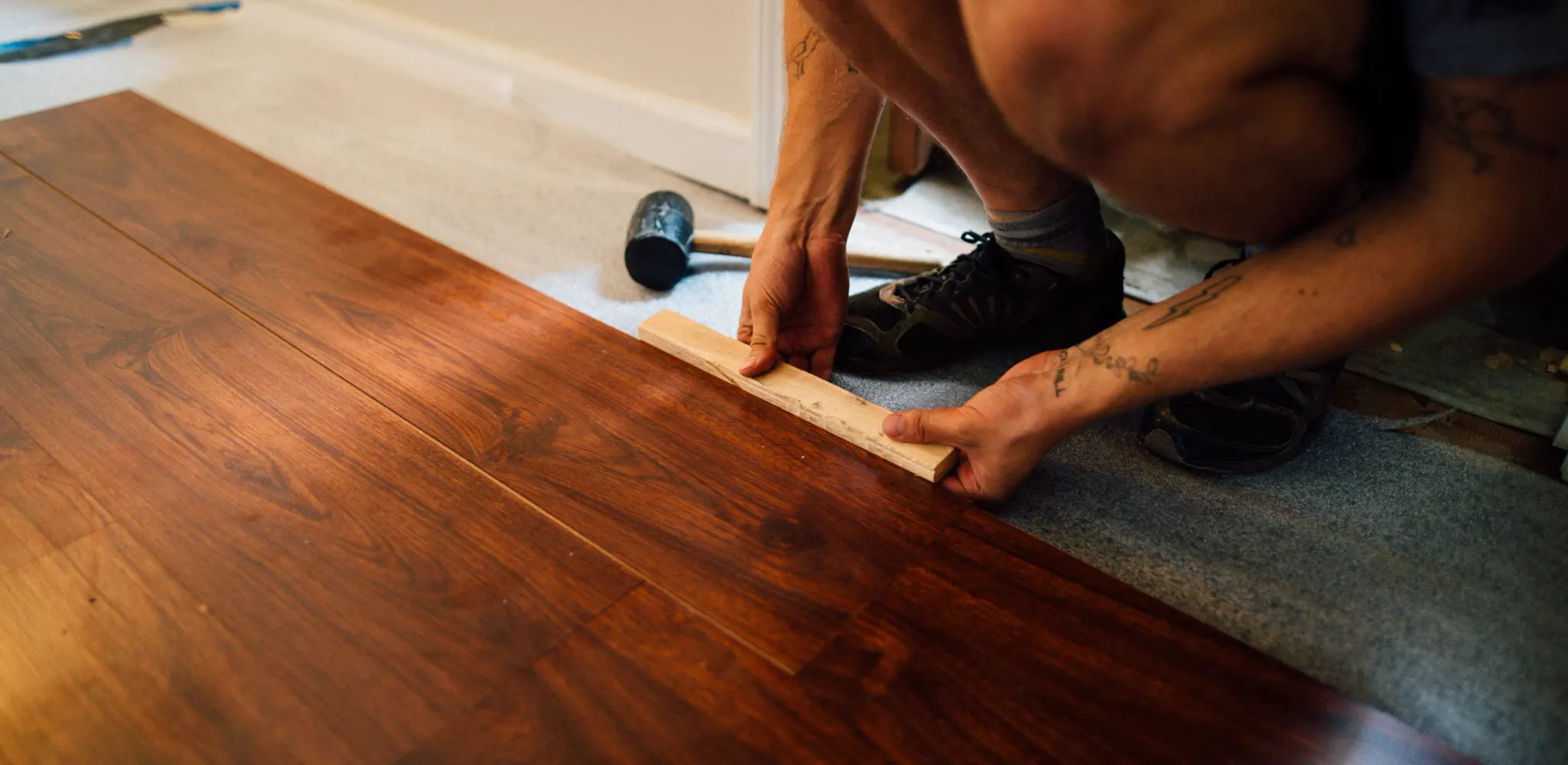
Luxury vinyl plank is the floor most Tampa Bay houses ask for. It is waterproof on top. It clicks together. It goes over a slab. Done right, it lies flat and quiet for years. Done badly, it cups, gaps at the joints and clicks under your feet. The difference is in the slab, before the first box is opened.
Priced by written scope, never by the hour.
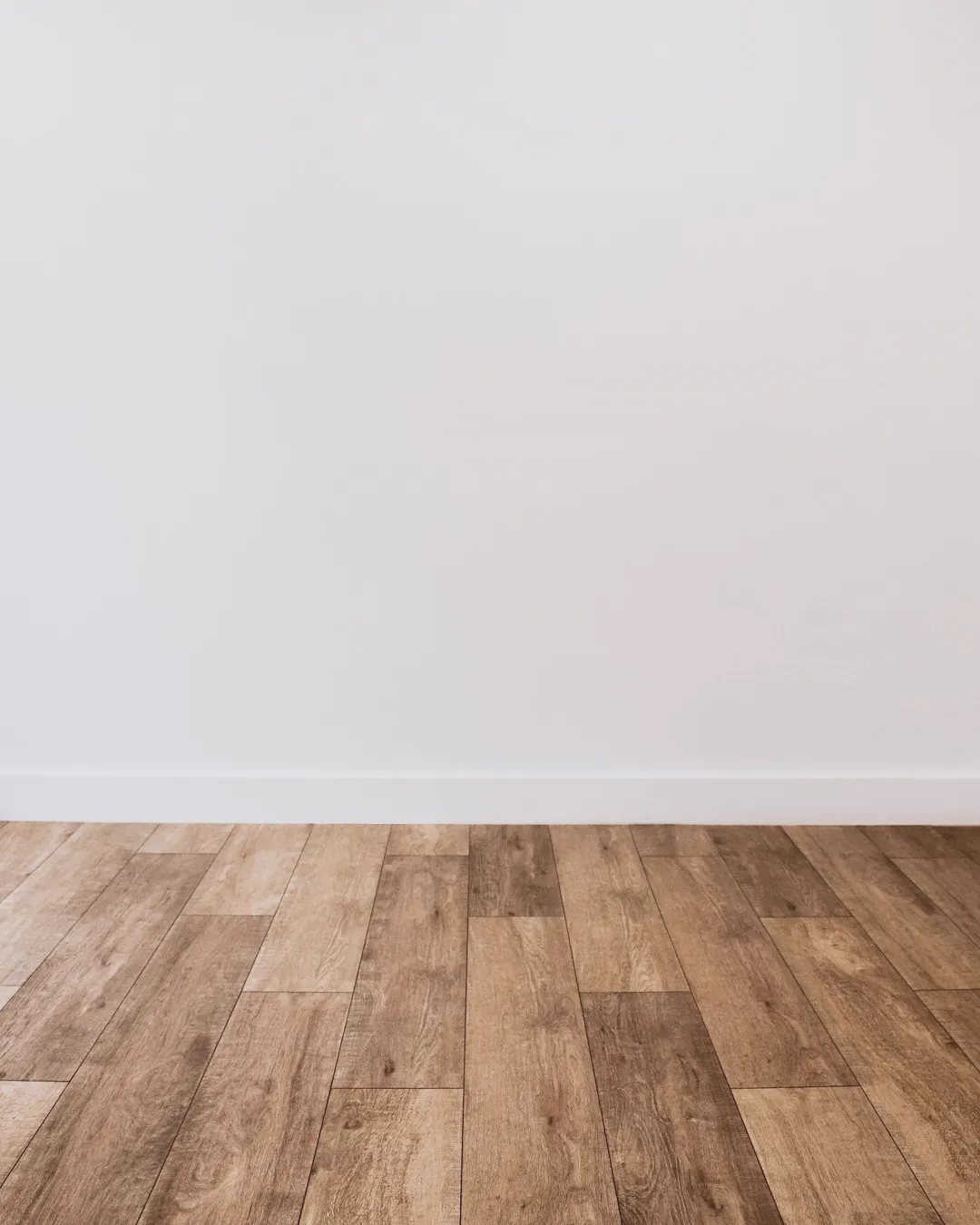
Waterproof does not mean the slab can be wet.
Every vinyl plank page says waterproof. None of them says what that word covers. It covers the plank. It does not cover the concrete under it. Here is what to ask before you hire anyone, including us.
Where the water comes from on a slab
Most Tampa Bay houses sit on a concrete slab poured on sand. Ground moisture rises through concrete as vapor, all year. A floating floor traps it. A glued floor lets go over it. The plank never gets wet from above. It gets wet from below.
How a slab is tested
There are two published tests. ASTM F2170 puts probes into holes drilled in the slab and reads the humidity inside. ASTM F1869 sets a sealed dish of calcium chloride on the surface for 3 days. Then it weighs what the dish took in. Ask which test was done and what it read.
Flatness is a number, not a feeling
Most vinyl plank makers cap the slab at 3/16 of an inch out of flat over 10 feet. Past that, the click joints flex, open and break. Grinding high spots and filling low ones is the slow part of the job. Ask what the floor was checked with.
The underlayment is not optional
Some planks come with a pad attached. Some need one. On a slab, the pad or a vapor barrier is what stands between the plank and the moisture. The maker names it. Using the wrong one voids the plank's warranty. Ask what goes under yours.
The slab decides the price. The plank barely does.
Two rooms can pick the same plank and get very different numbers. Here is what actually separates them.
What is coming up
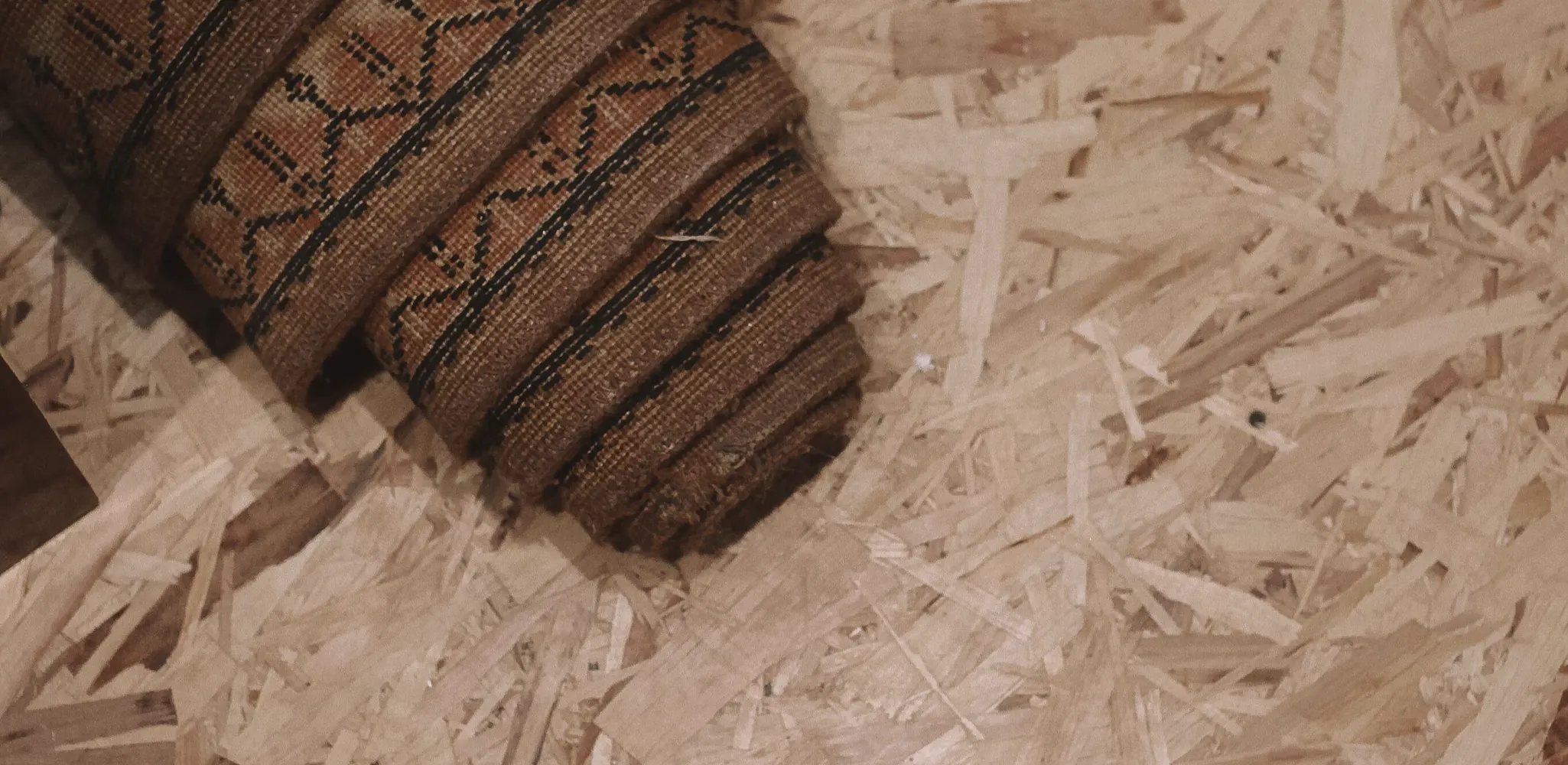
Carpet comes up in an hour. Glued vinyl leaves adhesive on the slab that has to be scraped or ground. Old tile leaves thinset. What comes up is the biggest swing in a vinyl plank price.
How flat and how dry the slab reads
A slab inside the maker's flatness limit takes the floor as is. One that is out gets ground and patched. One that reads wet gets a barrier or a different floor. Each of those is a line, priced when we see the reading.
The plank thickness and the wear layer
Planks are sold by thickness and by the wear layer on top, measured in mils. A thicker wear layer costs more and lasts longer under dogs and chairs. The scope names both numbers, so the box you get is the box you priced.
Doors, thresholds and baseboards
Every doorway gets a threshold or a reducer strip. Every baseboard comes off and goes back, or gets replaced. Doors may need trimming to clear a thicker floor. These are counted on the walkthrough, not guessed.
What gets fixed before a plank goes down.
A floating floor follows the shape of what it sits on, dips included. So the slab is fixed first, and each fix is priced on its own.
The moisture test
Probes go into the slab, or a calcium chloride dish sits on it for 3 days. The number is written into the scope. If it is over the maker's limit, the plan changes before a box is opened.
High spots ground, low spots filled
A 10 foot straightedge finds the spots. High ones are ground. Low ones get a cement patch. The floor is checked again after. This is the boring day that makes the floor quiet.
Old adhesive and thinset removed
Glue from old vinyl and thinset from old tile do not go under a new floor. They are scraped or ground off. A plank laid over a bump of old glue clicks every time you step on it.
Cracks in the slab
Hairline cracks get filled. A crack with a step in it, where one side sits higher, is a different thing. It means the slab moved, and we tell you before the floor goes over it.
The room acclimated
Most makers ask for the boxes to sit in the room for 48 hours before the lay. The room at the temperature you live in, the boxes open. It is a waiting day, and it is in the scope.
What is included, and where it ends.
A written scope is only worth something if it says where it stops. These are the lines we put in writing before a box is opened.
How long the room is out of use.
Carpet to vinyl plank in a dry room is a few working days, most of them prep. The boxes sit in the room for the 48 hours most makers ask for. Grinding old thinset or scraping glue adds days. The moisture test adds 3 days if it is the dish method. Your scope has the dates.
When we tell you not to do it
Vinyl plank is the easy answer, which makes it easy to sell to a room that needs a different one. Here is where we say no, and why.
The slab reads wet
A wet slab under a floating floor traps vapor and cups the planks. Under a glued floor it lets the glue go. We do not lay vinyl plank over a slab that fails the test. Fix the moisture, or choose a barrier system rated for that reading.
The slab is far out of flat
Grinding a whole room flat costs more than some people expect. Past a point, a self leveling pour is the honest answer. If that is the case, the prep is its own job, priced first.
You want it in a screened porch or a garage
Vinyl plank moves with heat. A porch that hits 100 degrees in August buckles a floating floor. Most makers exclude rooms with no air conditioning in their warranty. Tile is the floor for that room.
You are replacing the kitchen next year
New planks, then cabinets over them, then a layout change that leaves bare spots. Do the kitchen first. A floating floor also should not be pinned under cabinets, so the order matters.
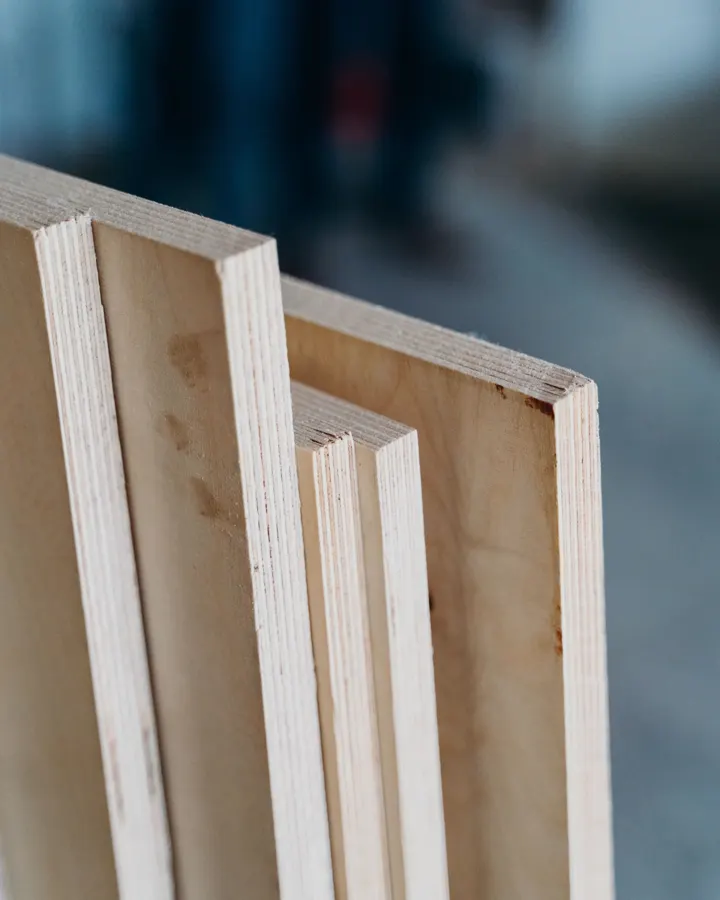
Lifetime warranty on our workmanship.
If the work we did fails, we come back and fix it. That holds for as long as you own the home. On vinyl plank it means the prep and the lay. If planks gap, lift or click because of how we prepared the slab or set the joints, that is ours.
A warranty is only worth what its exclusions say. Ours are above, in the same size type as the promise. Ask whoever you are talking to how long theirs runs, and get the number in writing.
Questions we actually get asked
Is luxury vinyl plank the same as LVP or vinyl flooring?
Yes. Luxury vinyl plank, LVP and vinyl plank are the same product. Sheet vinyl is different. It comes on a roll and is glued down. Vinyl tile, or LVT, is the same material cut in squares. This page is about planks that click together.
Is vinyl plank really waterproof?
The plank is. Water on top does not hurt it. The seams can still let water through to the slab, and the slab is not waterproof. A flood or a leak still has to be dried out. Waterproof means easy to clean, not immune.
Can you lay vinyl plank over my old tile?
Sometimes. If the tile is flat and solid, and the grout lines are shallow, some makers allow it. A skim coat goes over the grout first. If tiles are loose or the floor is out of flat, the tile comes up. We check it on the walkthrough.
How long does vinyl plank last?
The wear layer decides it. A thin wear layer scratches through sooner under dogs and chairs. A thick one lasts much longer. The maker's warranty is written for the wear layer, and we hand you that paper.
Do I need to move out?
No. One room at a time is the normal way. The room being done is out of use for the days of the lay. The rest of the house works. The noisy day is the grinding, and we name it in the plan.
Do you do the baseboards too?
Yes. They come off before the floor and go back after, or new ones go in if you want them. Leaving them and covering the gap with quarter round is the cheaper way. We price both and tell you which one we would do.
The other flooring services
Where we work
Hillsborough, Pinellas, Pasco, Manatee and Sarasota counties. If your town is not on this list, call and ask: the answer is often yes.
A walkthrough, then a written scope with one closed price.
Never hourly, never a verbal figure, and our workmanship carries a lifetime warranty. Hillsborough, Pinellas, Pasco, Manatee and Sarasota counties.