Flooring removal and subfloor repair in Tampa Bay.
Every new floor starts with the old one coming up. What is under it decides what can go down. Old tile leaves thinset. Glued vinyl leaves adhesive. A wood subfloor under carpet can be soft where nobody has walked in years. This page is about that part, because it is the part the floor price hides.
Priced by written scope, never by the hour.
What the old floor is hiding, and why the price waits.
Flooring pages price the new floor. None of them prices what is under the old one, because nobody knows until it is up. Here is what to ask before you hire anyone, including us.
Thinset does not come up with the tile
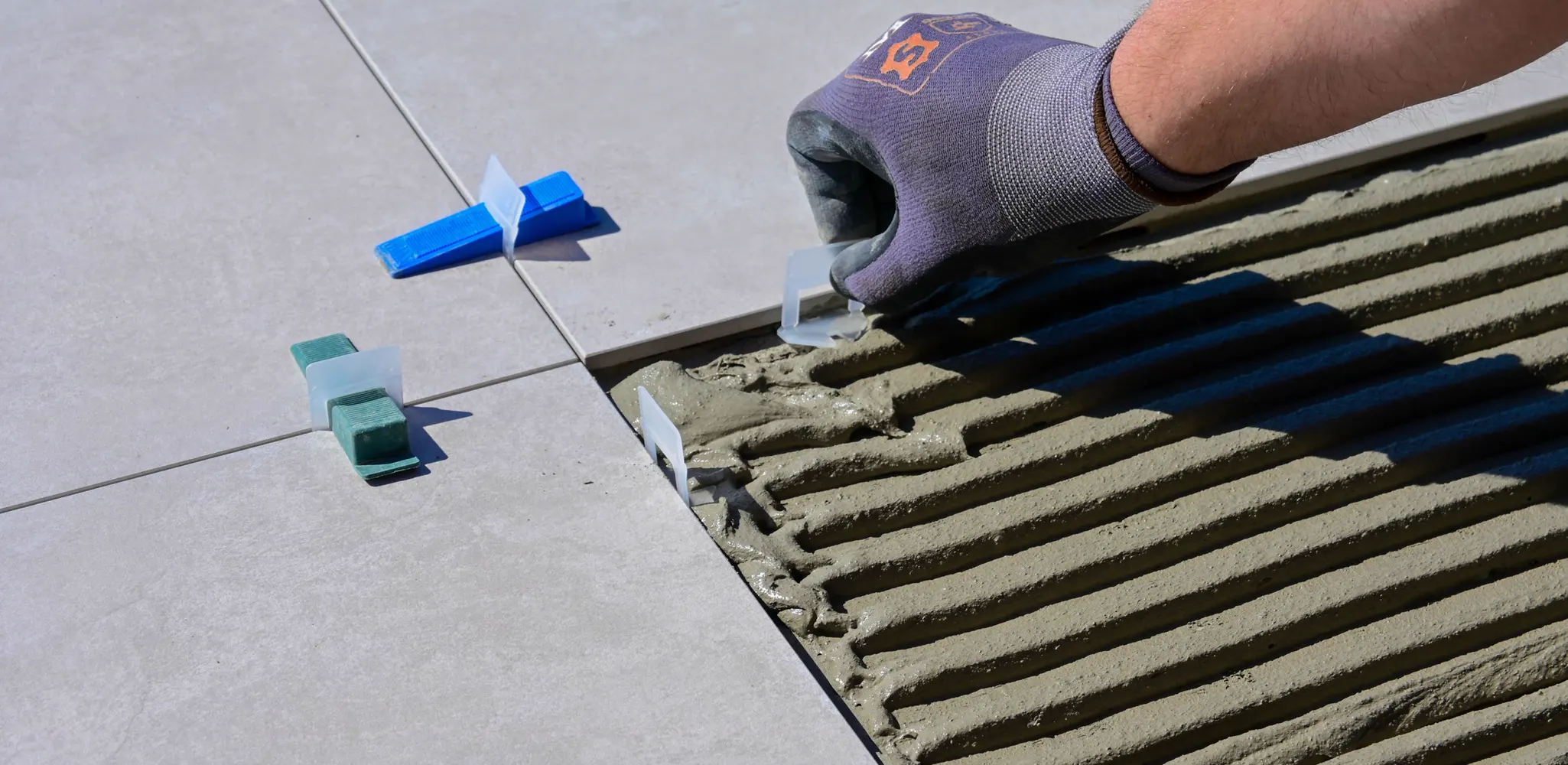
Old tile chips off. The mortar under it stays stuck to the slab in ridges. It has to be ground to clean concrete. It is loud, it is dusty, and it is a day or more. Ask if grinding is in the number.
Glued vinyl leaves glue
Sheet vinyl and old vinyl tile are glued down. The glue stays. Some of it is soft and scrapes. Some is hard and has to be ground. Older vinyl and its adhesive can contain asbestos, so it gets tested before anyone scrapes it. Ask about that test.
A wood subfloor can be soft and look fine
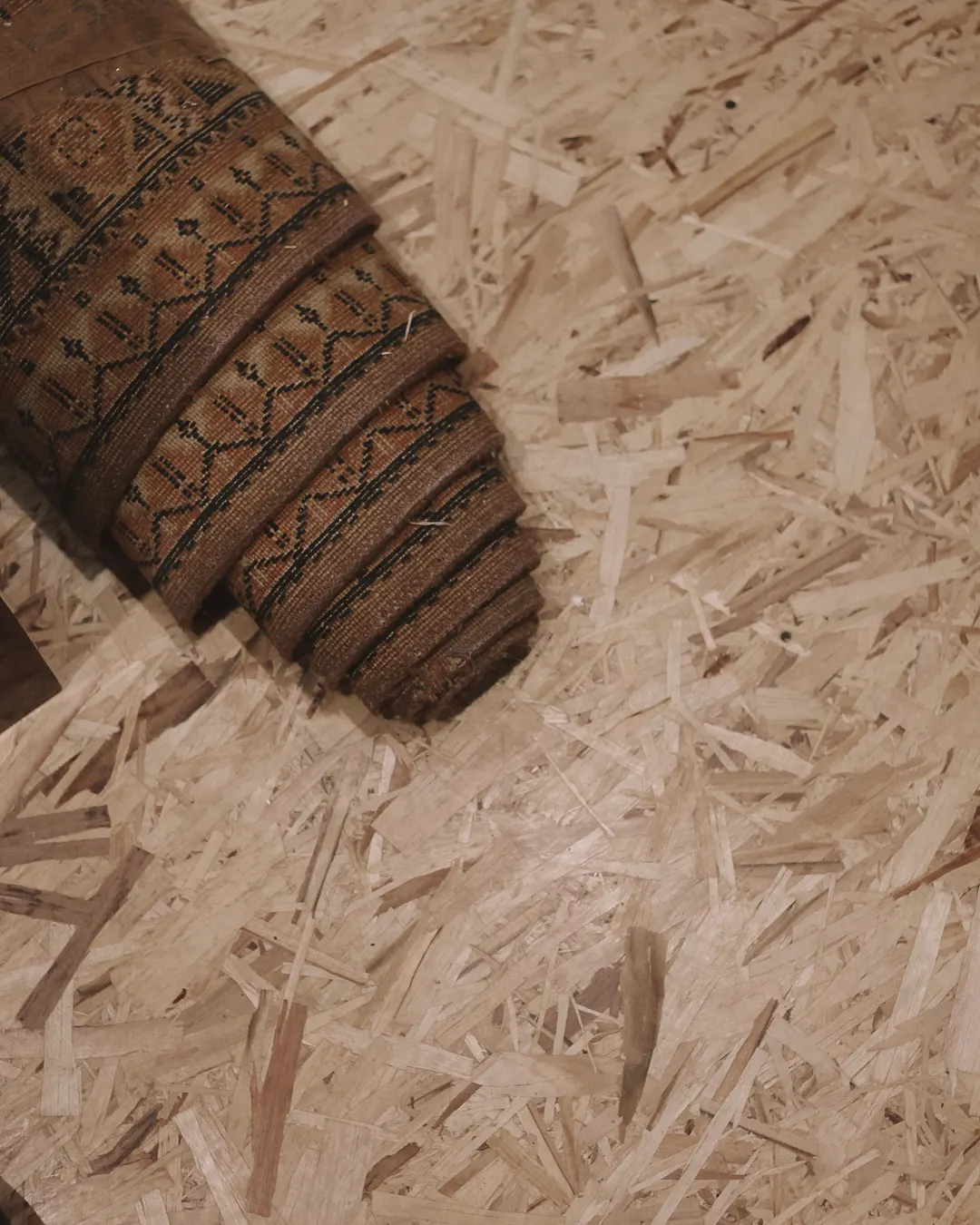
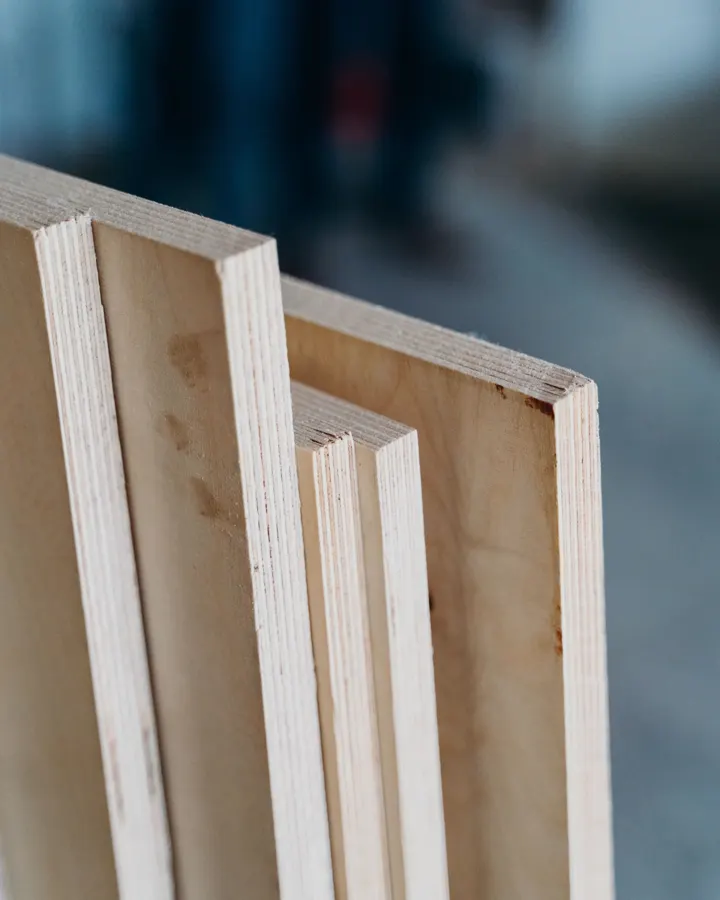
In a house on a crawl space, or upstairs, the subfloor is plywood or OSB on joists. A slow leak, a bathroom above, or years of humidity make it soft in spots. Carpet hides it. The new floor will not. Ask how the subfloor is checked before the new floor.
The slab has cracks you will now see
Pulling a floor exposes the slab. Hairline cracks are normal. A crack with a step in it is not. It means the slab moved, and it changes what can go down. Ask what happens if a crack is found.
What comes up decides the price. The room size barely does.
Two rooms the same size can price very differently for a removal. Here is what actually separates them.
Carpet, vinyl or tile
Carpet comes up in an hour with a knife and a pry bar. Glued vinyl comes up in a day with a scraper. Tile comes up with a chipping hammer, and then the thinset with a grinder. Three floors, three very different days.
Whether a test is needed first
Vinyl or adhesive from before the 1980s gets tested for asbestos before it is disturbed. If it is positive, removal is done by a licensed abatement contractor, not by us. That is a line before any other line.
How much subfloor is soft
A soft spot the size of a chair is a patch. A soft run along a wall is a sheet or two of plywood. A subfloor that is soft everywhere is a floor with a water problem, and that gets found first. Each is priced when we can see it.
What goes down next
Tile needs a flatter, cleaner slab than vinyl plank. Grinding to the tile standard costs more than grinding for a floating floor. The removal is priced for the floor that follows it.
What gets fixed before any new floor.
A new floor follows what is under it, soft spots and ridges included. So the base is fixed first, and each fix is priced on its own.
The old floor tested, if it is old vinyl
A sample goes to a lab before anyone scrapes. If it comes back positive, the removal changes hands to a licensed abatement contractor. It is a few days of waiting that keeps dust out of your lungs.
The slab ground to clean concrete
Thinset and glue are removed with a grinder on extraction. Water keeps the dust down. The slab comes out clean, ready for the straightedge.
Soft subfloor cut out and replaced
A soft spot is cut back to sound wood on both sides. A new piece of plywood is screwed to the joists. If the joist under it is soft too, that is a different conversation, with the trade licensed for it.
Cracks read, not just filled
Every crack gets looked at. Hairline, filled and bridged. A step, and we stop and talk before anything goes down.
The floor checked with a straightedge
After the grinding and the patching, the floor is checked. High spots and low spots are marked for the prep of whatever comes next.
What is included, and where it ends.
A written scope is only worth something if it says where it stops. These are the lines we put in writing before a box is opened.
How long the room is out of use.
Carpet comes up in a morning. Glued vinyl is a day. Tile with thinset is 2 or 3 days in a normal room, most of it grinding. An asbestos test adds the lab's wait, and a positive result adds the abatement contractor's schedule. Your scope has the dates, and the loud days are named.
When we tell you not to do it
Removal is where the surprises live, which makes it easy to skip the step that keeps you safe. Here is where we say no, and why.
The vinyl is old and untested
If the floor went down before the 1980s and nobody has tested it, we do not scrape it. A test comes first. If it is positive, a licensed abatement contractor removes it. No exceptions, and no argument.
The subfloor is soft everywhere
A subfloor that is soft in every room is not a subfloor problem. It is a water or humidity problem, from below or from a leak. Fix that first, with the trade it belongs to, or the new subfloor goes soft too.
The slab has moved
A crack with a step is two pieces of slab. Grinding it flat does not fix why it moved. That is a slab conversation with the trade licensed for it, before any floor goes down.
You want the old floor left under the new one
Sometimes it works, and we say when. A flat, solid tile floor can take vinyl plank over it. Carpet, soft vinyl or loose tile cannot. If the old floor is sound, vinyl plank over it skips this page.
Lifetime warranty on our workmanship.
If the work we did fails, we come back and fix it. That holds for as long as you own the home. On removal and subfloor repair it means what we replaced and what we ground. The plywood we set stays solid, and the slab we ground stays clean and flat where we said it would.
A warranty is only worth what its exclusions say. Ours are above, in the same size type as the promise. Ask whoever you are talking to how long theirs runs, and get the number in writing.
Questions we actually get asked
Do I need to remove the old floor before a new one?
Usually yes. Carpet and loose or soft floors always come up. A flat, solid tile floor can sometimes take vinyl plank over it. Laminate and tile want a clean, flat base. We look at it on the walkthrough and tell you which case you have.
Can old vinyl flooring contain asbestos?
Yes. Vinyl tile, sheet vinyl and the adhesive under them from before the 1980s can. The EPA says so. It is safe left alone and dangerous when scraped or sanded. That is why we test first, and why a positive result goes to a licensed abatement contractor.
How do you know if the subfloor is soft?
By walking every foot of it once the old floor is up, and by pressing near walls, tubs and toilets. A soft spot gives under a heel. Carpet hides it. We mark each spot, cut it out to sound wood, and price the patches you can see.
Is thinset removal really necessary?
For tile, yes. New tile needs clean, flat concrete under it. For a floating vinyl or laminate floor, the ridges have to come down flat or the joints break over them. A skim coat can cover small ridges. Big ones get ground.
How much dust will there be?
Grinding makes dust, and we keep it down with water and extraction, sealed doorways and covered vents. It is still the loud, messy day of the job. We name it in the plan so you can be out of the house for it.
Can you fix a crack in the slab?
A hairline crack gets filled and bridged with a membrane, and the floor goes over it. A crack where one side sits higher means the slab moved. That is a structural question for the trade licensed for it, and we tell you before any floor goes down.
The other flooring services

Where we work
Hillsborough, Pinellas, Pasco, Manatee and Sarasota counties. If your town is not on this list, call and ask: the answer is often yes.
A walkthrough, then a written scope with one closed price.
Never hourly, never a verbal figure, and our workmanship carries a lifetime warranty. Hillsborough, Pinellas, Pasco, Manatee and Sarasota counties.