Interior painting in Tampa Bay.
Interior painting is 1 hour of color on a day of prep. Patching, sanding, caulking and priming are the job. The paint is the part you see. Done right, the walls look like new drywall and stay that way. Done badly, every nail hole flashes through in a month and the trim line wanders. The difference is in the sandpaper, not the brush.
Priced by written scope, never by the hour.
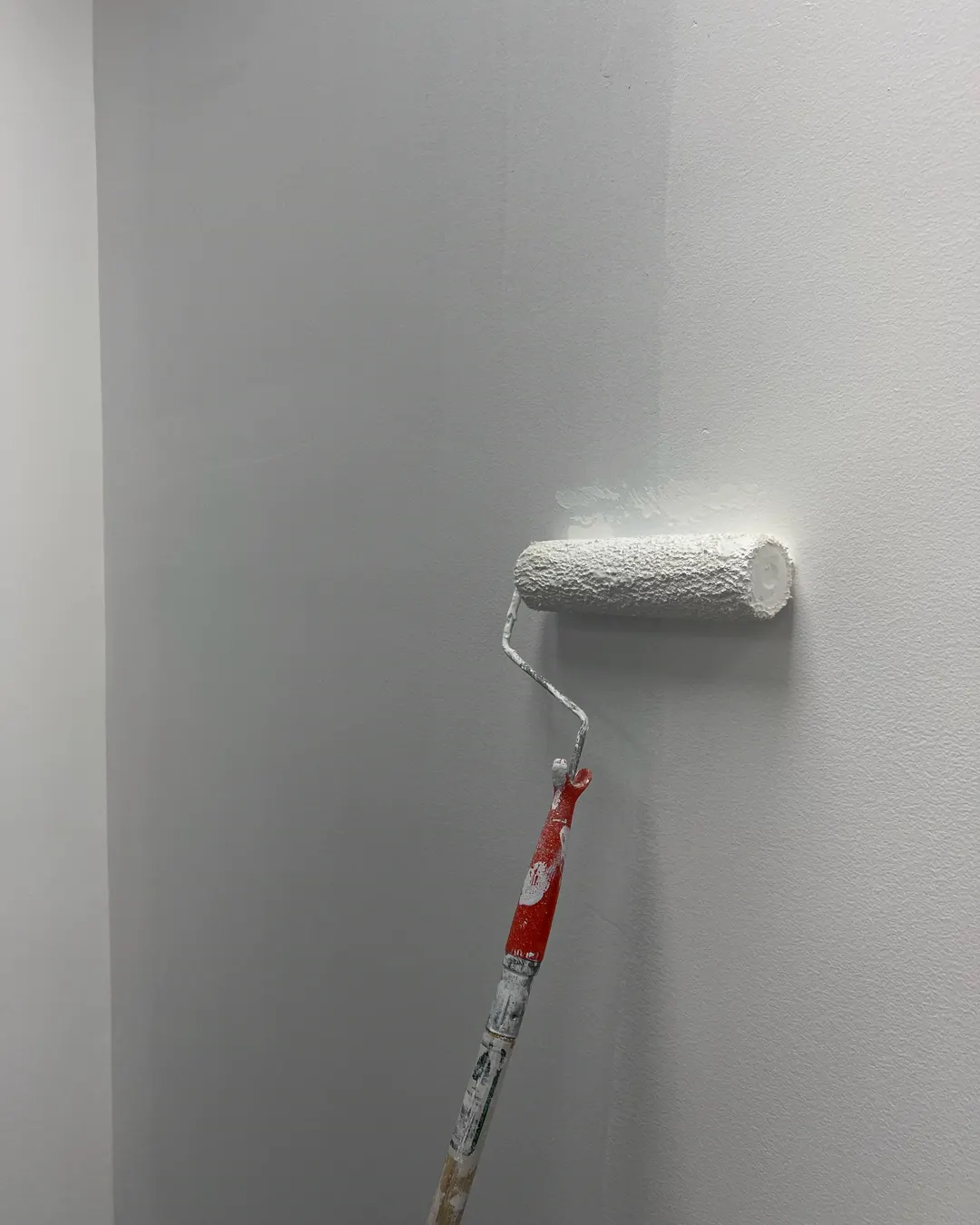
The patch shows through, and here is why.
Painting pages show you color charts. None of them explains flashing, which is the patch you can see through the new paint from across the room. Here is what to ask before you hire anyone, including us.
What flashing is
A patch of joint compound soaks up paint differently than the painted wall around it. Paint it without primer and the patch shows as a dull or shiny spot, at every angle of light. Every patch gets primed first. Ask if primer on repairs is in the number.
Two coats is not a sales line
Paint makers publish it. Most premium wall paints call for two coats over a primed surface for full color, hide and washability. One coat of a paint and primer in one product is one coat. Ask how many coats, in writing.
The recoat time is on the can
Every product data sheet gives a recoat time at a set temperature and humidity. In a Tampa Bay house in August, with the air conditioning fighting the humidity, that time is real. A second coat rolled too soon lifts the first. Ask what the sheet says.
Low VOC is not no smell
Paint releases volatile organic compounds as it dries. The EPA lists them as an indoor air quality concern. Low VOC lines are better, and rooms still need to be aired. The scope names the product, and the safety data sheet is yours on request.
The prep decides the price. The color barely does.
Two houses can pick the same paint and get very different numbers. Here is what actually separates them.
How much patching the walls need
A few nail holes is a light prep. Old anchor holes, a bad skim job or cracks at the corners make a heavy one. So does a ceiling with water stains. The prep is the swing in an interior price. The walkthrough counts it wall by wall.
Ceilings, trim and doors
Walls are the fast part. Ceilings mean covering everything and working overhead. Trim is cut by hand, foot by foot. Doors come off or get taped. Each one is its own line, and trim is the slow one.
How many colors and sheens
One wall color and one trim color is the fast job. An accent wall, a different ceiling color and a sheen change per room adds cuts, tape and time. The scope names each room's colors so nothing is a surprise.
What has to move
An empty room is the cheapest room to paint. A room full of furniture, shelves, blinds and a piano is not. The scope says what we move and cover and what you clear first.
What gets fixed before the first coat.
Paint follows the wall under it, holes and cracks included. So the wall is fixed first, and each fix is priced on its own.
Holes filled and sanded flush
Nail holes, anchor holes and dents get filled, sanded flush and checked with a light held low against the wall. Sanding dust is wiped off. Paint over dust does not stick.
Cracks cut out, not painted over
A crack at a corner or a ceiling line gets opened, taped and skimmed. Painted over, it is back in a month. This is the repair a low bid skips.
Water stains sealed
A water stain bleeds through regular paint. It gets a stain blocking primer, and only after the leak that caused it is fixed. Painting a live stain is painting the same spot twice.
Glossy trim scuffed
New paint does not grip a glossy surface. Old semi gloss trim gets scuff sanded and cleaned, or the new coat peels in sheets. It is a boring step and it is the whole reason trim paint lasts.
Caulk at the trim
The gap between the baseboard and the wall, and around the door casings, gets a fresh bead of paintable caulk. It is what makes the trim line look sharp. It is also the step nobody photographs.
What is included, and where it ends.
A written scope is only worth something if it says where it stops. These are the lines we put in writing before a can is opened.
How long the room is out of use.
A room is out for the days it takes to patch, prime and paint. The recoat time comes from the product data sheet. A bedroom with light prep is a short job. A living room with a ceiling, trim and heavy repairs is longer. We work room by room so the house keeps working. Your scope has the dates.
When we tell you not to do it
Paint is the cheapest fix in a house. That makes it easy to sell to a wall that needs something else. Here is where we say no, and why.
The stain is still wet
A ceiling stain from a roof or a pipe is a leak, not a paint problem. Paint hides it for a season. The leak gets fixed first, by the trade licensed for it. Then we prime and paint, once.
The house is from before 1978 and nobody has tested the paint
Sanding old paint in a house from before 1978 can put lead dust in the air. The EPA regulates it. The paint gets tested first. If it is positive, the work is done under the lead rule by a firm certified for it. It is its own line.
The wall is textured and you want it smooth
Painting a knockdown or an orange peel wall does not make it smooth. Skim coating does, and it is its own job, with dust and days. If smooth is the goal, price the skim, not the paint.
You are moving in a month and the walls are fine
A light wash and a touch up kit costs less than a repaint. If the walls are sound and the color works, we say so. We would rather lose the job than paint a wall that did not need it.
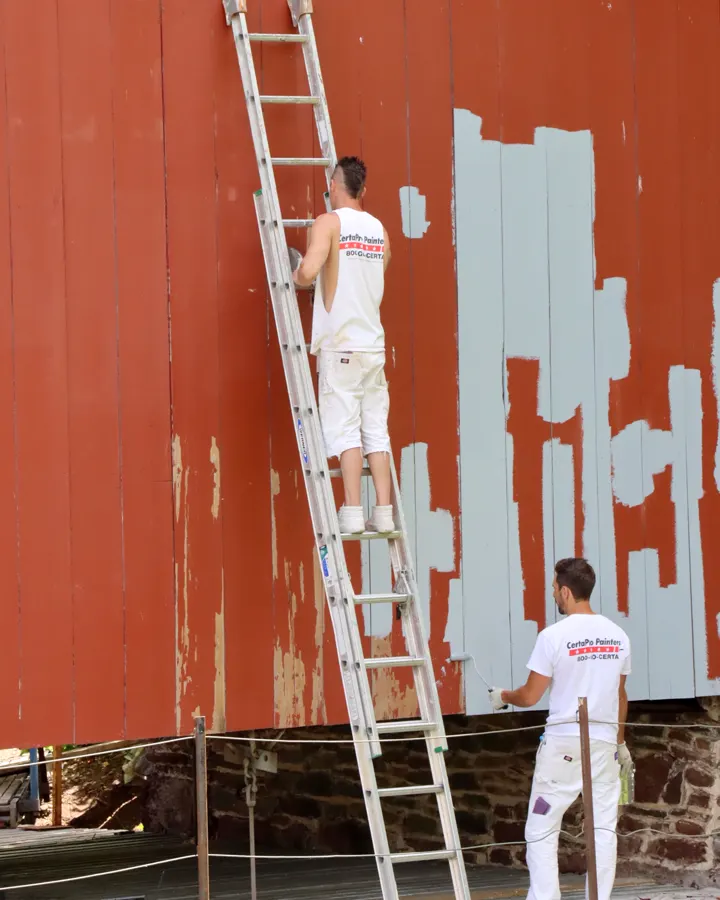
Lifetime warranty on our workmanship.
If the work we did fails, we come back and fix it. That holds for as long as you own the home. On interior paint it means the surface we prepared and the coats we applied. If the paint peels, flakes or a patch flashes because of our prep, that is ours.
A warranty is only worth what its exclusions say. Ours are above, in the same size type as the promise. Ask whoever you are talking to how long theirs runs, and get the number in writing.
Questions we actually get asked
Is interior painting the same as house painting?
Inside the house, yes. Interior painting is walls, ceilings, trim and doors indoors. House painting usually means the outside. If you want both, they are two scopes with two weather rules, and we price them together.
Do I need two coats?
Almost always. Paint makers publish two coats over a primed surface for full color and wear. One coat over a color change ghosts through. One coat over a repair flashes. The scope says two coats, and that is what goes on.
Should I pick flat, eggshell or satin?
Flat hides wall flaws and marks easily. Satin washes well and shows flaws. Eggshell sits between them and is the usual wall choice. Trim gets semi gloss. We put the sheen in the scope room by room.
Do you move the furniture?
We move what the scope names, to the center of the room, and cover it. Heavy items like a piano or a safe are named as yours or as a line. Clearing shelves and taking pictures off the walls before we come saves a day.
How long before I can put things back?
The data sheet gives a dry time and a cure time, and they are not the same. Dry to the touch is hours. Fully cured is longer, and until then the paint scuffs easily. The care sheet we leave says when to hang the pictures.
Can you paint over wallpaper?
We can, and we usually should not. Paint over wallpaper seals the seams in and lifts the edges. If the paper is glued tight and the seams are flat, sometimes. Most of the time the paper comes off first, as its own scope.
The other painting services

Where we work
Hillsborough, Pinellas, Pasco, Manatee and Sarasota counties. If your town is not on this list, call and ask: the answer is often yes.
A walkthrough, then a written scope with one closed price.
Never hourly, never a verbal figure, and our workmanship carries a lifetime warranty. Hillsborough, Pinellas, Pasco, Manatee and Sarasota counties.