Home remodeling in St. Petersburg, FL.
St. Petersburg has the oldest houses of any city we work in. One house in four is from the 1950s. Two in three went up before 1980. Some are wood bungalows from the 1920s, close to the bay. Most are concrete block on a slab, and many of those sit low by the water. This page says how each of our nine services fits a St. Petersburg house. It also answers the six questions we hear most from owners here.
Every job is priced by written scope, not by the hour.
What clients say.
A pipe burst in my house and flooded almost half of the property. They took care of the plumbing, drywall repairs, and painting, and finished everything in less than a week. The quality of the work was excellent, clean, and professional. Very reliable and responsible. I highly recommend them.
Dany Rodriguez · Google review
This is our Google listing, with the map set on St. Petersburg. We come to you, so there is no shop to visit. The map loads from Google once you scroll to it.
 Google
★★★★★
5.0 · Worked with us? Tell the next homeowner.
Google
★★★★★
5.0 · Worked with us? Tell the next homeowner.
Our nine services in a St. Petersburg house.
Each of the nine has a page of its own. That page lists the price drivers, the days it takes, and the jobs we turn down. The notes below are only about St. Petersburg: old block, low ground, and the rules that come with both.
Licensed trades do the plumbing and electrical work. Every one of the nine comes with a written scope and a closed price.
Bathroom remodeling in St. Petersburg
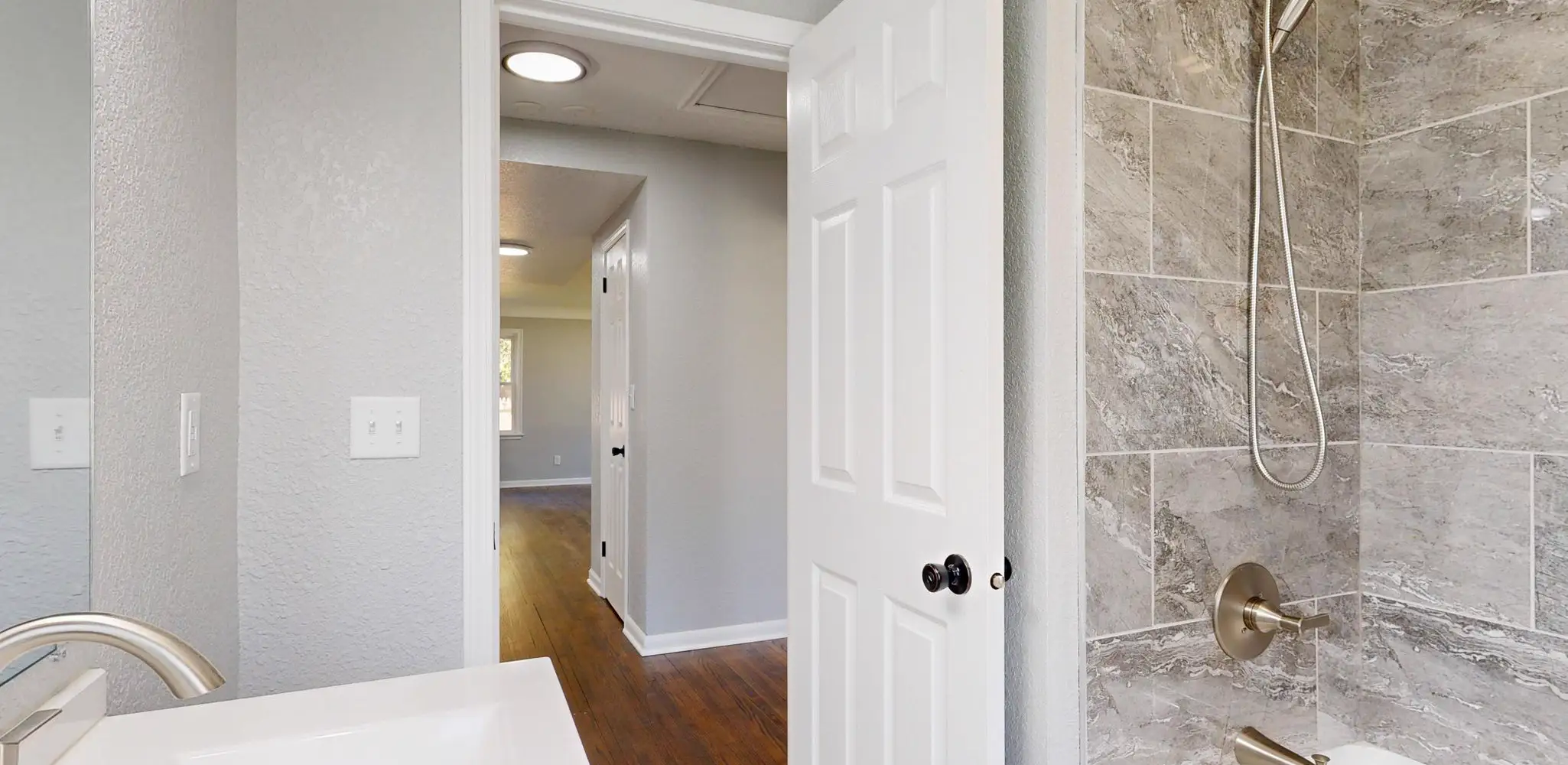
Many bathrooms here date from the 1950s. The tile, the tub and the pipes are 60 to 70 years old. City water runs at 165 mg/L, so we pick glass and fixtures that hide scale.
Bathroom remodeling →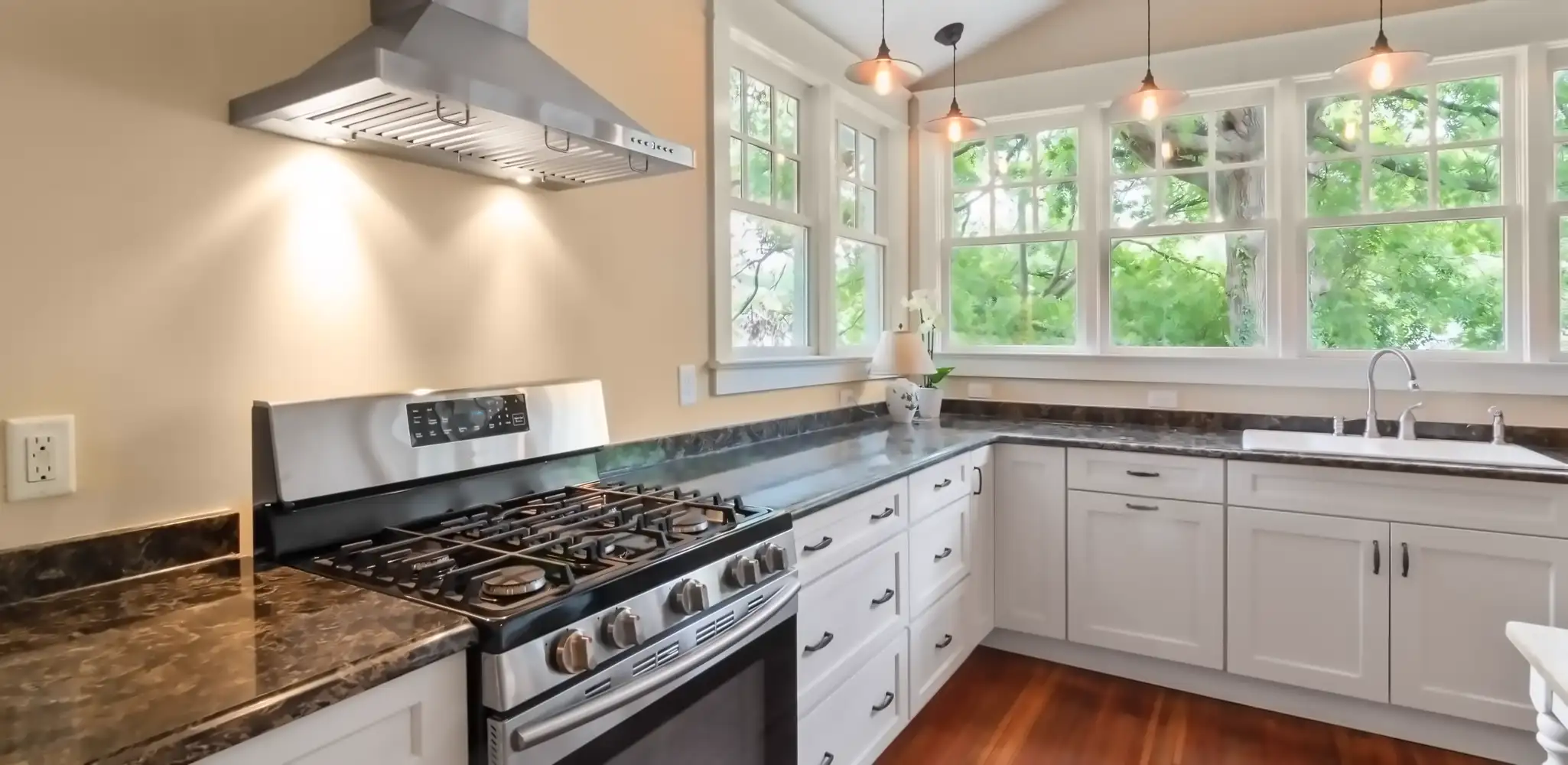
Kitchen remodeling in St. Petersburg
A kitchen in zone AE counts toward 49 percent. Add a bathroom and a storm repair, and the total can cross the line. We check the value of the house before we draw the plan.
Kitchen remodeling →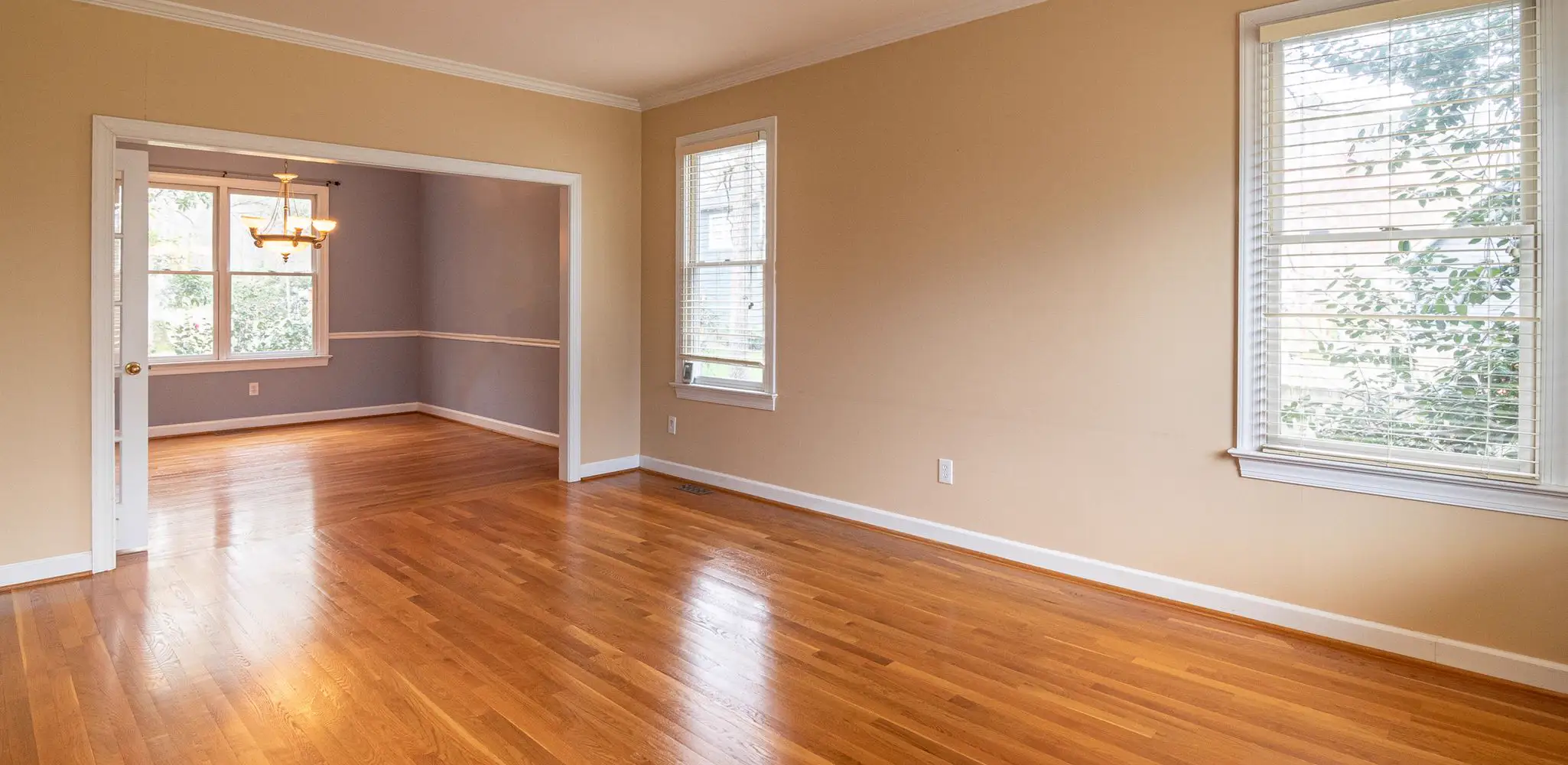
Flooring installation in St. Petersburg
Shore Acres and Snell Isle sit on dredged fill. The water table is a hand below the slab, so the slab sweats. A moisture test comes before any wood or laminate floor goes in.
Flooring installation →
Interior and exterior painting in St. Petersburg
Repainting needs no city review in a historic district. Only masonry that was never painted goes to staff. Outside the districts, most streets here have no HOA at all.
Interior and exterior painting →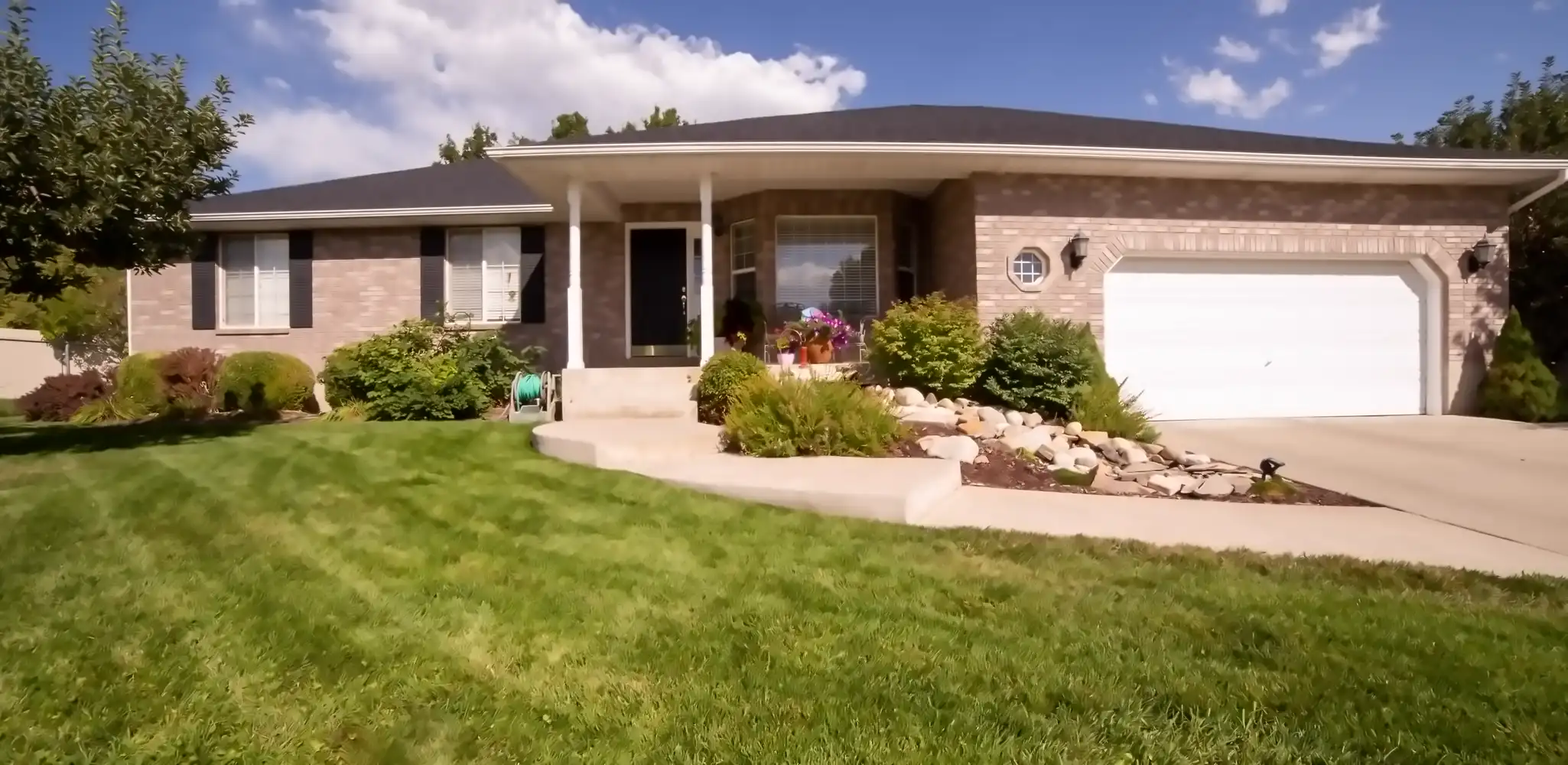
Driveways in St. Petersburg
In Old Northeast, a driveway cracks from settling sand. On the fill of the islands the edges sink instead. Venetian Isles allows only concrete, brick pavers or tile, and its committee signs first.
Driveways →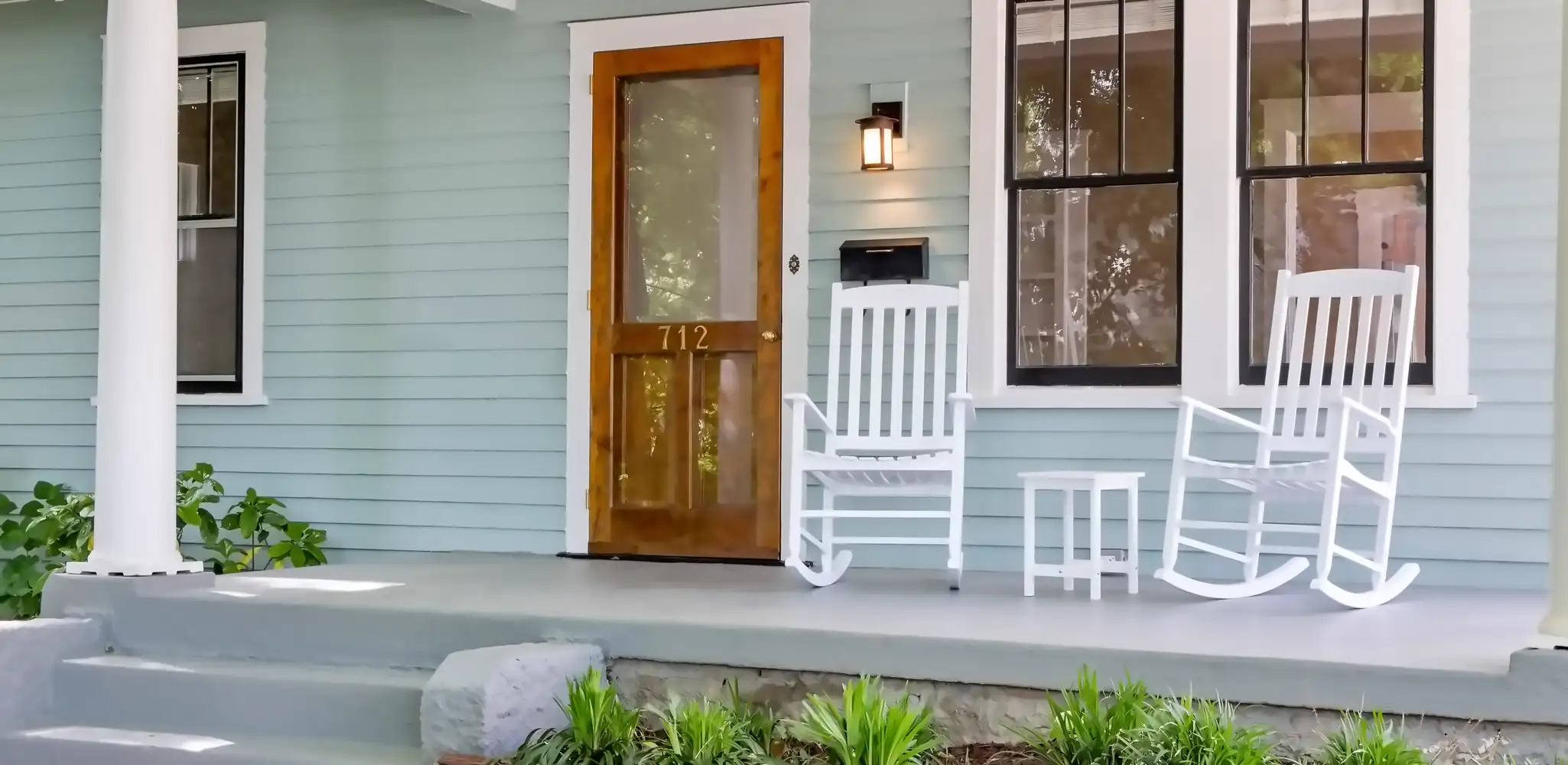
Exterior and front of house in St. Petersburg
The whole city is in the windborne debris region. Change more than 25 percent of your glass in a year and all of it needs impact glass. We count the openings before we quote a window.
Exterior and front of house →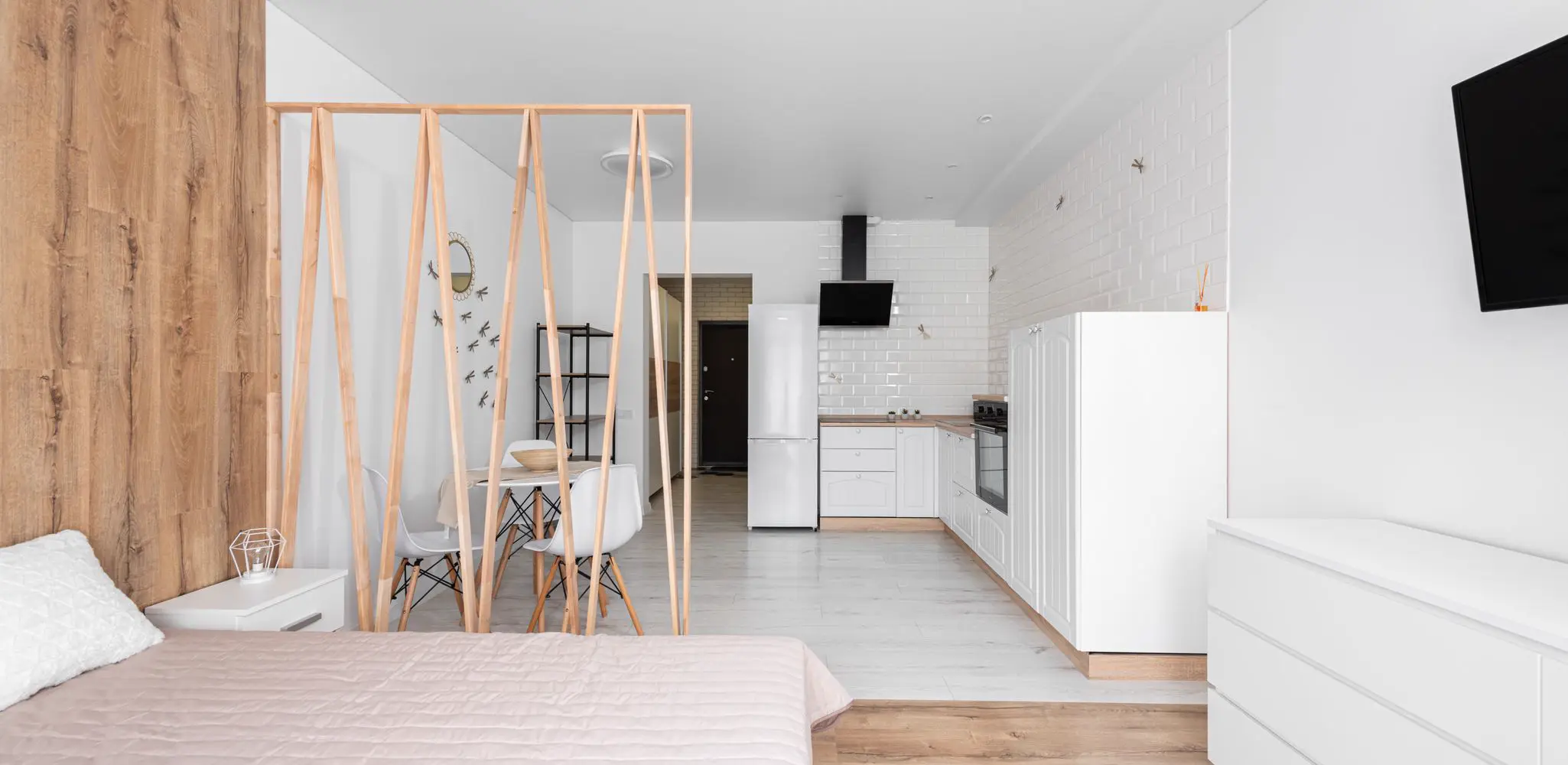
Garage conversion in St. Petersburg
Venetian Isles bans a garage conversion by deed restriction. Unless you add another garage, the answer there is no. Everywhere else we read the deed restrictions before we draw a single wall.
Garage conversion →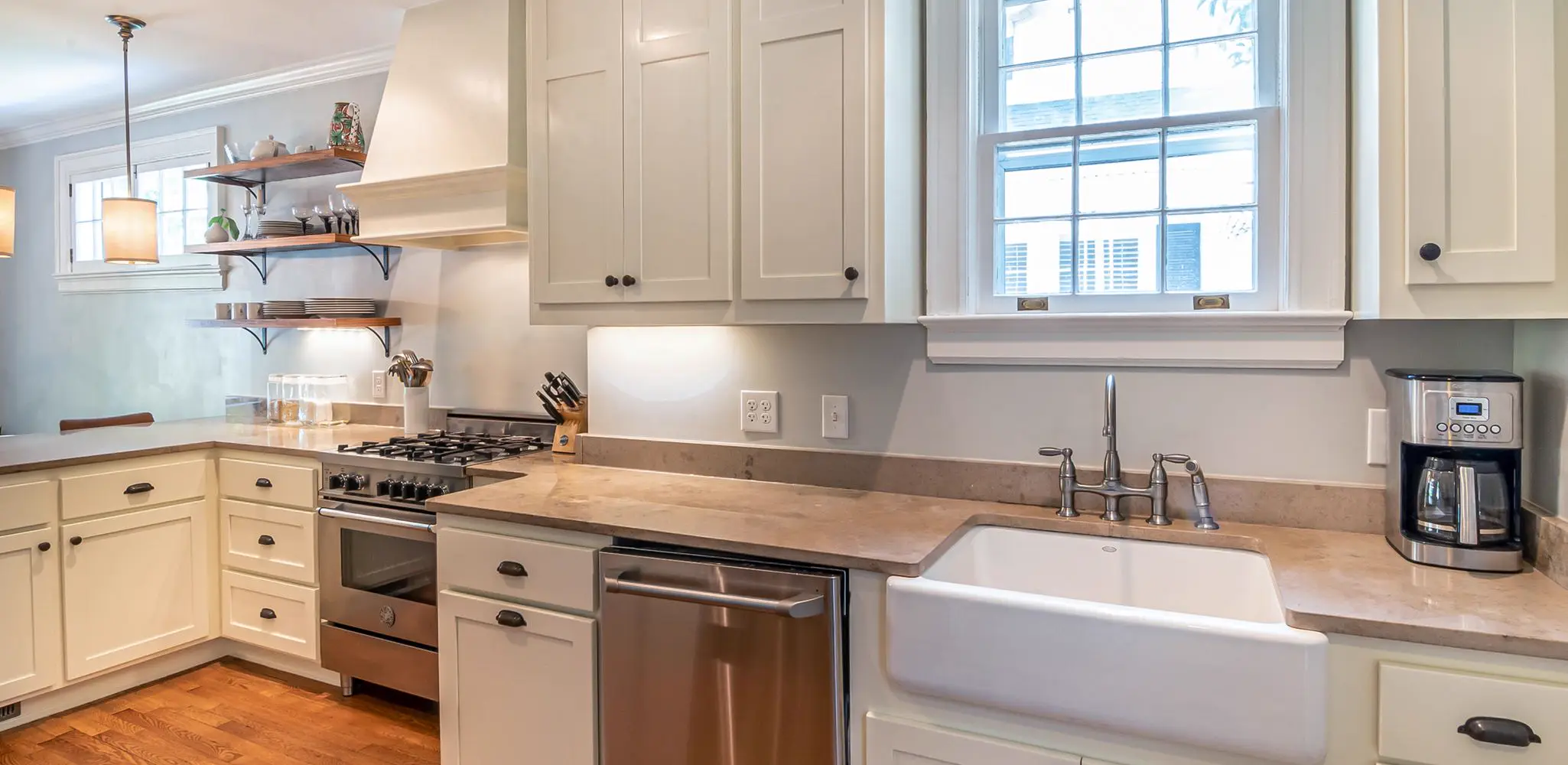
Cabinet installation in St. Petersburg
Cabinets are inside work, so no certificate applies to them. Not even in Roser Park or Kenwood. In a 1950s kitchen we check every corner before a box is ordered.
Cabinet installation →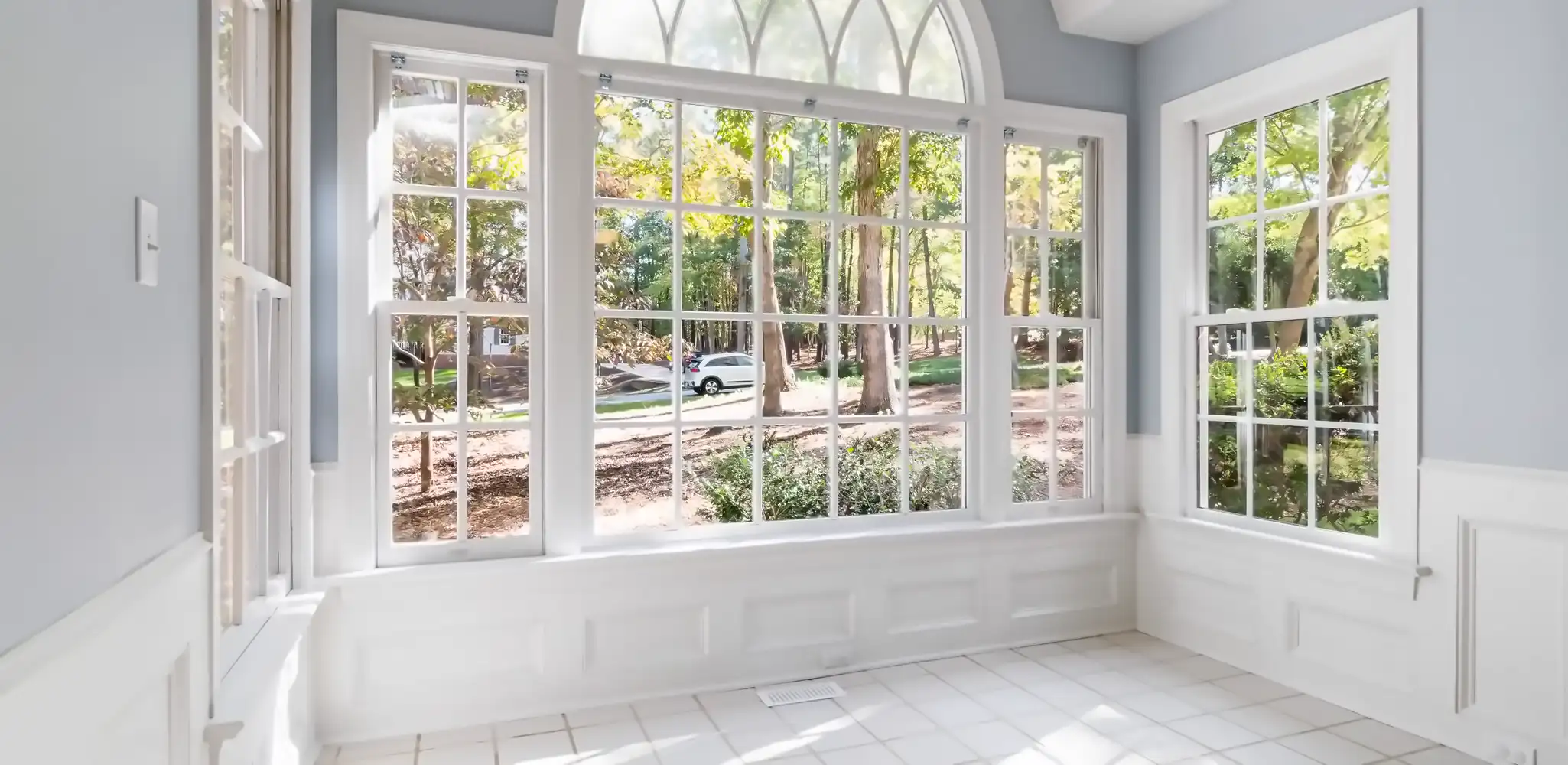
Home additions in St. Petersburg
Big additions in a historic district get a hearing. The line is 250 square feet: under it, staff signs; over it, the commission meets in public. We tell you which side your plan is on before we price it.
Home additions →All nine services, on one page. For more than one room at once, see home remodeling.
What St. Petersburg owners ask us first.
Six facts about this city that change a remodel. Each one has a public source, linked at the bottom of the page. Each one moves the scope, the schedule or the price.
Sources: the Census, the USDA, FEMA, the City of St. Petersburg, two deed restriction sets, the Florida Building Code and the city water report.
My St. Petersburg house is from the 1950s. What is behind the block?
A bathroom and a kitchen that are 60 to 70 years old. St. Petersburg has close to 142,000 homes. Almost one in four went up in the 1950s, the biggest decade. Two in three are from before 1980, and the middle year is 1970. There are three kinds of house here. The wood bungalow from before 1940, with sash windows and old tile, in Old Northeast, Kenwood and Roser Park. The block house of the 1950s and 1960s, with aluminum or slatted glass windows. That one fills Shore Acres, Snell Isle, Lakewood and Pinellas Point. And the 1970s block house, built before the 2002 wind code. Half the windows, kitchens and driveways in the city are past 50 years. We open the house before we set a price.
Is my St. Petersburg house in a flood zone, and what is under the slab?
Here the risk is storm surge, not a river. FEMA draws no floodway and no levee anywhere in the city. It does draw 70 wave zones, called VE, on all three shores. Shore Acres and Snell Isle are zone AE, with a base flood height of 9 feet. Downtown, Old Northeast, Kenwood and the high part of Pinellas Point are zone X, the lowest risk. Under the slab, the middle of the city is sand that drains on its own. The islands and the shore are dredged fill, with water a hand below the surface. Lakewood is wet sand over a hard layer, and it puddles after rain. We look up the address on the flood map before we scope a big job.
What is the 49 percent rule, and does my kitchen count toward it?
It does, if the house is in zone A, AE or VE. The city sets the line at 49 percent, not 50. Every repair and improvement on the structure adds up. The line is 49 percent of what the structure was worth before the damage. Cross it, and the whole house must come up to code. That can mean lifting it above the base flood height. After Helene and Milton the city counted more than 12,000 damaged properties. It opened a code case on each one. A case is not a violation. It becomes one only if work is done without a permit. So in Shore Acres a storm repair plus a kitchen can cross the line together. We run that math before we write the scope.
Do I need city approval to change windows in Roser Park or Kenwood?
In a local historic district, yes. St. Petersburg keeps its own register. Roser Park, Granada Terrace, Lang's Bungalow Court and some blocks of Kenwood and Old Northeast are on it. There, any change to the outside needs a Certificate of Appropriateness before the permit. City staff signs most of it: a new driveway, a non-historic window, a small addition. Replacing a historic window goes to the commission, in a public hearing. Repainting a painted wall needs no review at all. Staff review costs 50 dollars and a hearing 300. Old Northeast and Kenwood as a whole are national districts, and those carry no certificate. Only the local sections do. We check your block on the register before you pick a window.
Is St. Petersburg in the 140 mph wind zone, and what is the 25 percent rule?
Yes, all of it. On the Florida Building Code map, St. Petersburg sits between the 140 and 150 mph lines, at about 145. The 140 line runs about 20 miles to the northeast, the 150 line about 21 miles to the southwest. At 140 or more a house is in the windborne debris region, so the whole city is in. The first mile from the shore is in by the coast rule too. There, a replaced window or door needs impact glass or approved protection. There is one exception for houses permitted before March 2002. Replace 25 percent or less of the glass in the house in 12 months, and design pressure is enough. Above that, everything you change is impact. We count the openings before we quote.
How hard is the water in St. Petersburg, and does it matter in a shower?
It is hard, and the city prints the number. The 2024 city water report puts hardness at 165 mg/L, an average of monthly samples. Anything over 120 mg/L counts as hard. That is about 9.6 grains per gallon by our own conversion, since the city reports only mg/L. The water comes from the regional utility, a blend of well water, river water and treated sea water. The city softens it with lime at its Cosme plant, so it lands a little softer than Tampa. It is still hard water. Scale shows first on shower glass, dark faucets and matte tile. In a new bathroom or kitchen we point you to the finishes that hide it. That choice goes in the scope, so nobody is surprised a month later.
Where we work
Hillsborough, Pinellas, Pasco, Manatee and Sarasota counties. If your town is not on this list, call and ask: the answer is often yes.
The same five steps on every St. Petersburg job.
Never hourly, never a verbal number. Serving Hillsborough, Pinellas, Pasco, Manatee and Sarasota counties.