Home remodeling in Tampa, FL.
Tampa has two kinds of houses. One was built before 1960. The other was built after 2000. They do not need the same work, and they do not cost the same. This page says how each of our ten services fits a Tampa house. It also answers the questions we get most from Tampa homeowners.
Priced by written scope, never by the hour.
What clients say.
A pipe burst in my house and flooded almost half of the property. They took care of the plumbing, drywall repairs, and painting, and finished everything in less than a week. The quality of the work was excellent, clean, and professional. Very reliable and responsible. I highly recommend them.
Dany Rodriguez · Google review
Our Google listing, centered on Tampa. We are a service area business: the map shows where we work, not a shop you drive to. It loads from Google when it comes into view.
 Google
★★★★★
5.0 · Worked with us? Tell the next homeowner.
Google
★★★★★
5.0 · Worked with us? Tell the next homeowner.
Ten services, scoped for a Tampa house.
Each service has its own page. It says what decides the price, how long it takes, and when we tell you not to do it. Here is what changes when the house is in Tampa.
Plumbing and electrical portions are performed by licensed trades. One written scope, one closed price, for all ten.
Bathroom remodeling in Tampa
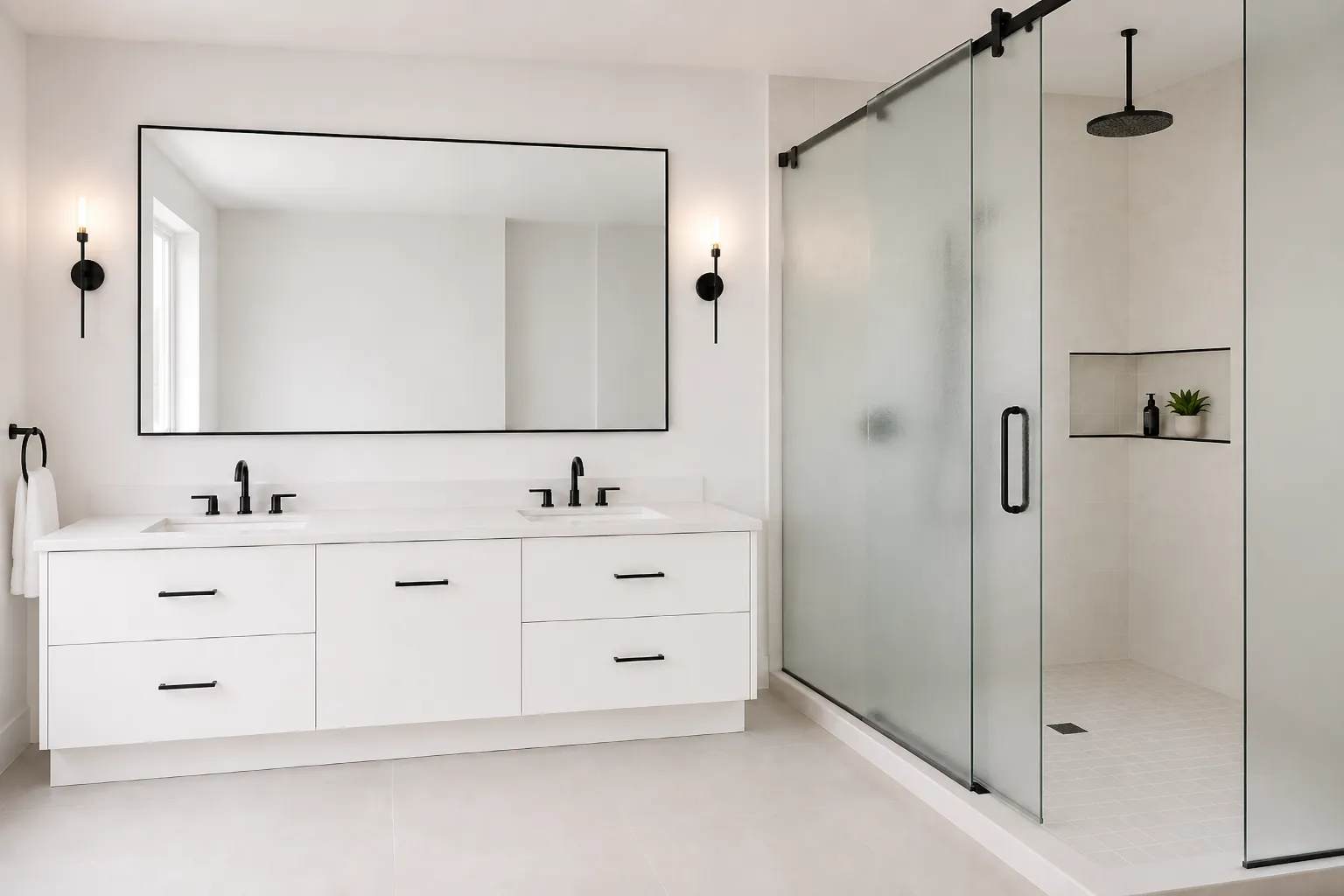
Pre-1960 bathrooms here are small, with the original tile still on the wall. Hard water at 10.8 grains decides which glass and fixtures we suggest.
Bathroom remodeling →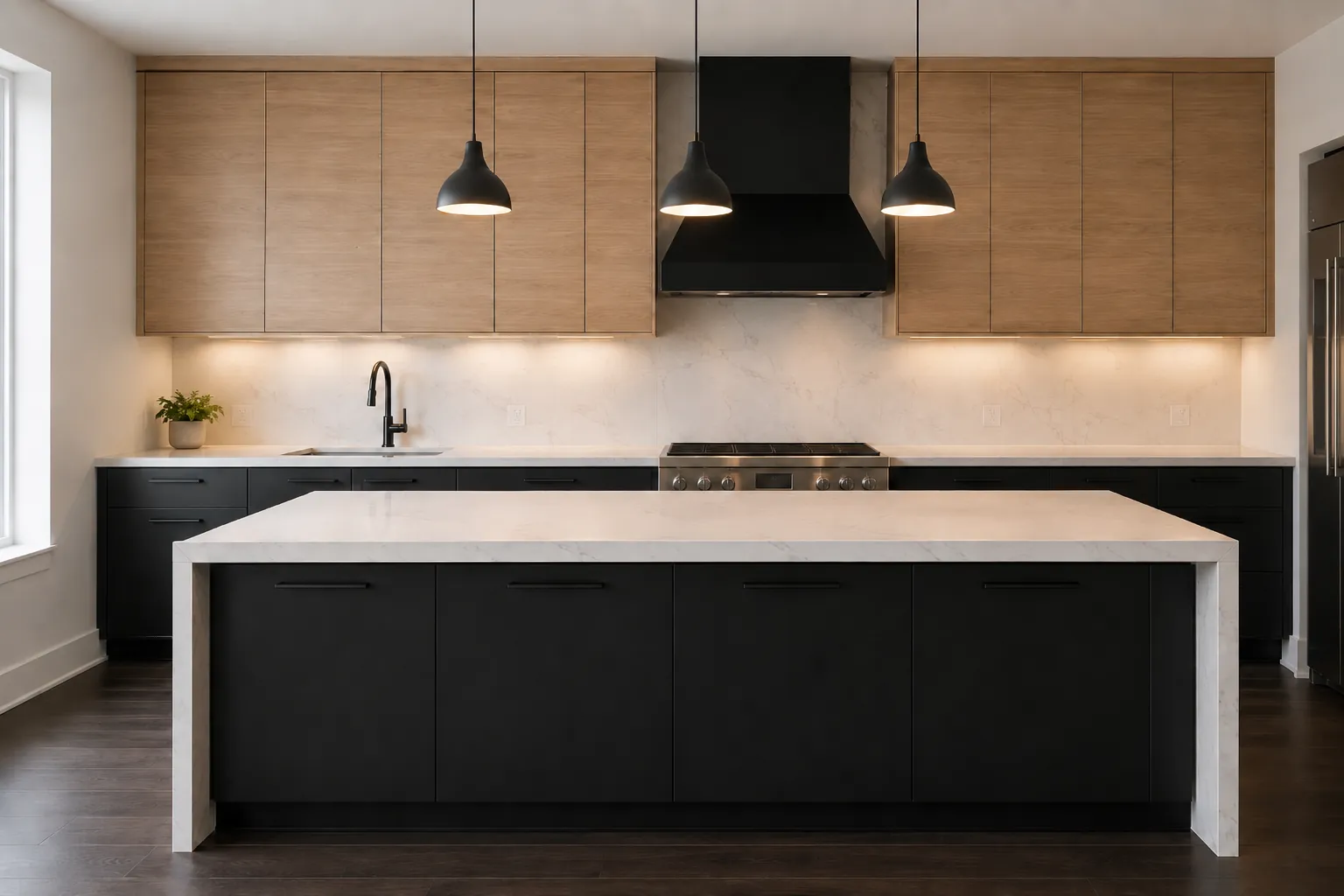
Kitchen remodeling in Tampa
In a bungalow kitchen, the walls set the limit on the layout. Inside the house no district commission or HOA review applies, so the plan is yours.
Kitchen remodeling →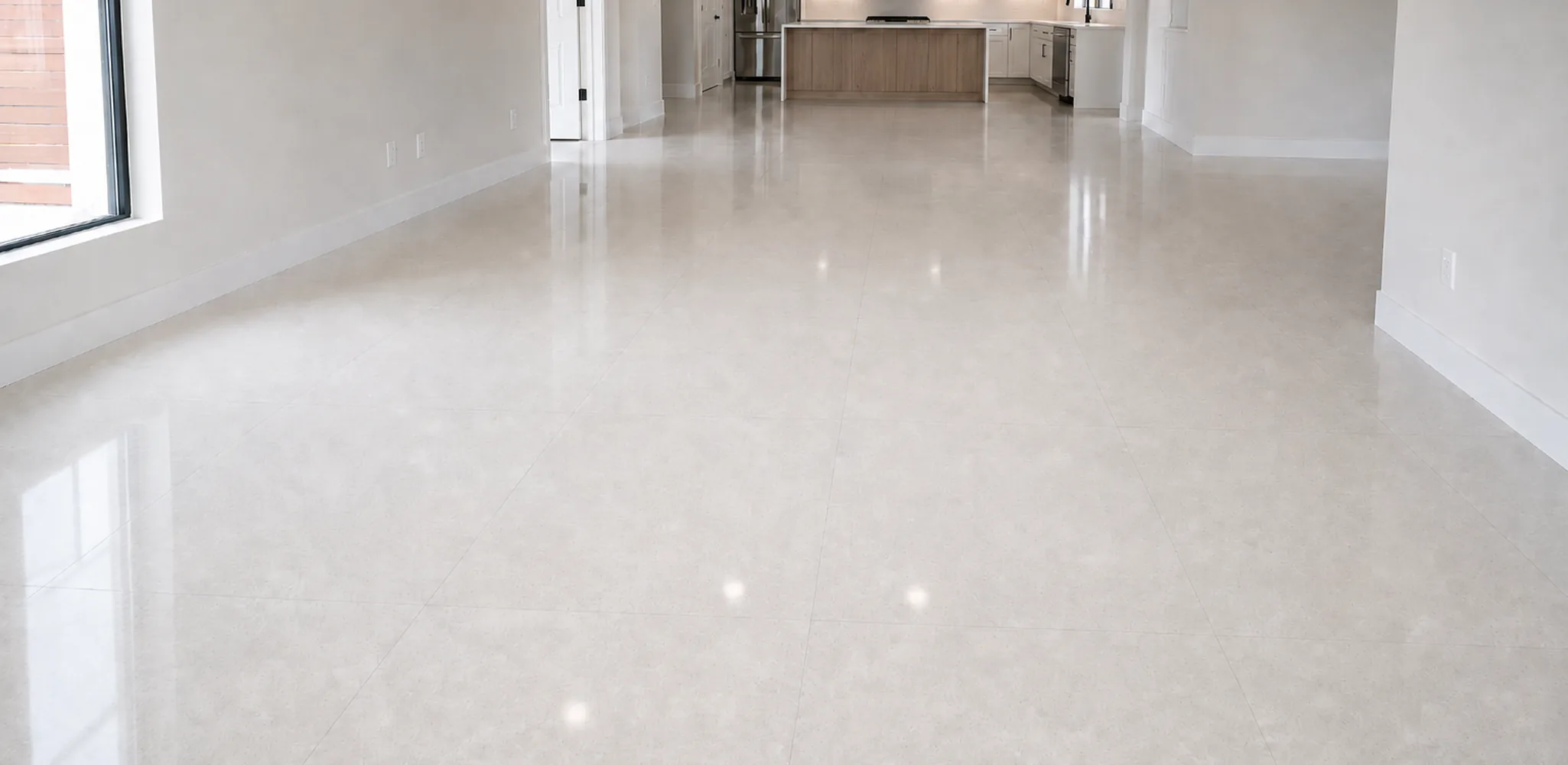
Flooring installation in Tampa
Much of South Tampa sits on wet sand, and a slab on wet sand sweats. We test the slab for moisture before any wood or laminate goes down.
Flooring installation →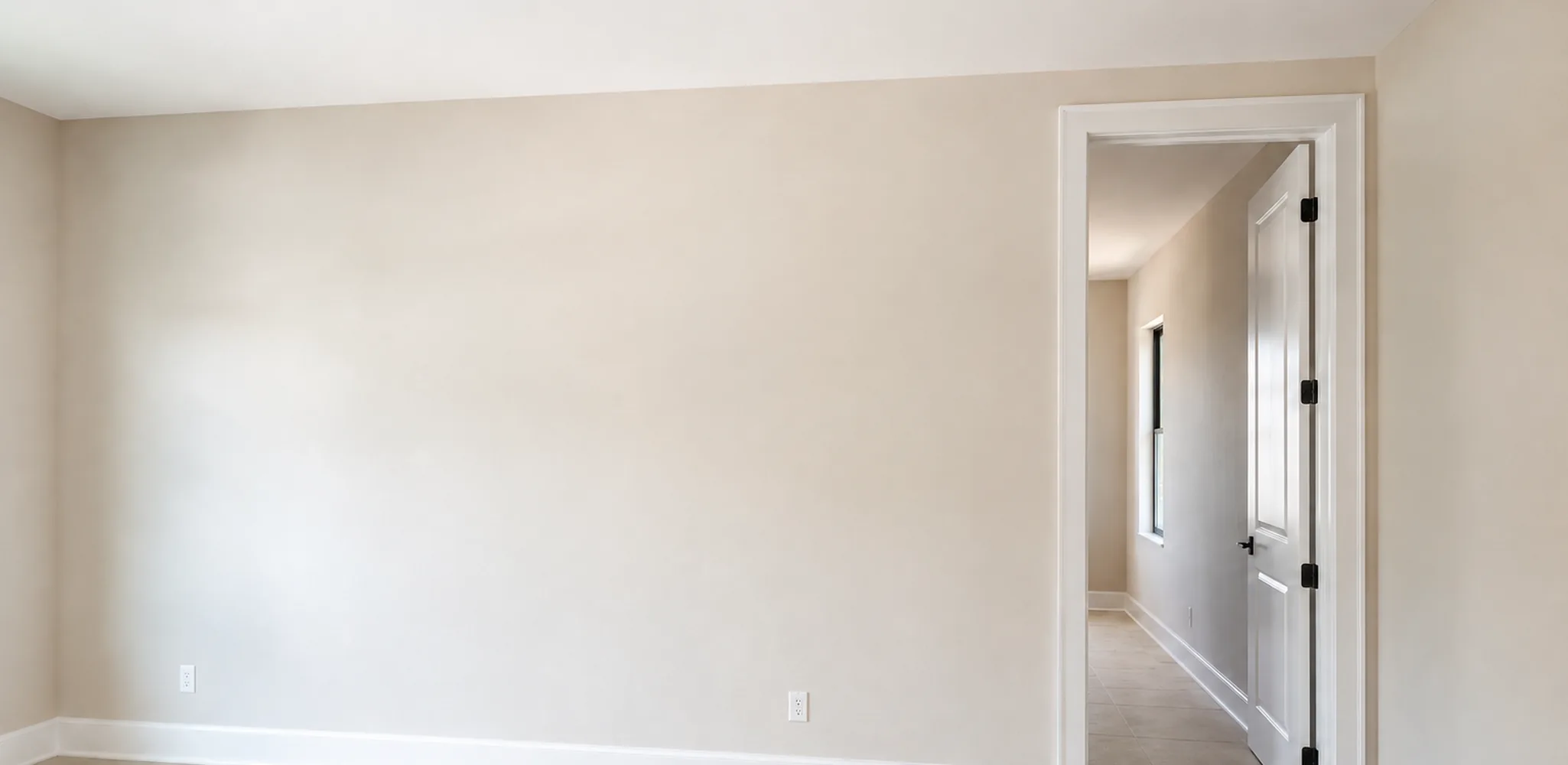
Interior and exterior painting in Tampa
Paint color needs no certificate in any of the four historic districts. In Tampa Palms, repainting in the approved colors skips the committee too.
Interior and exterior painting →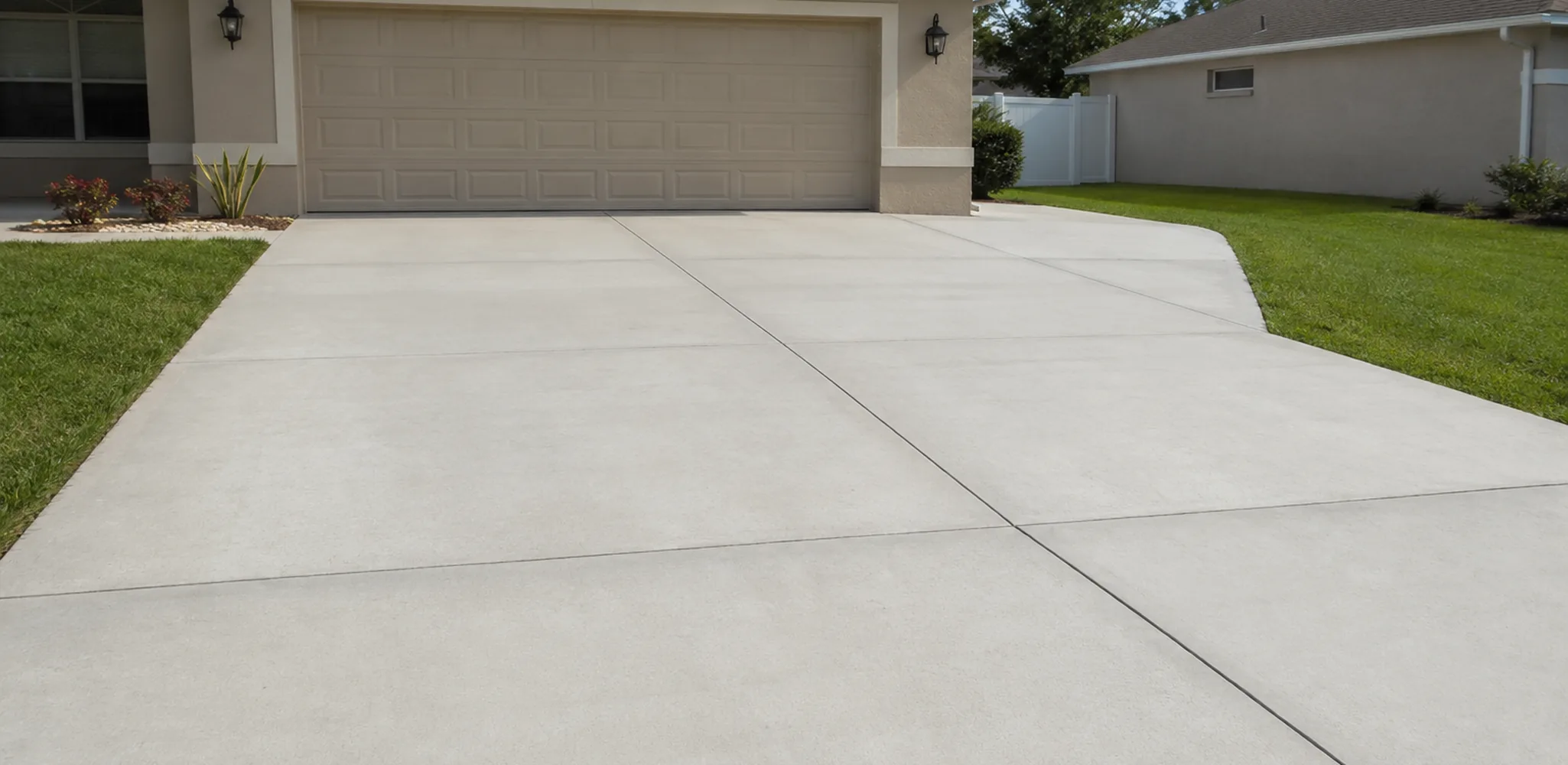
Driveways in Tampa
Poorly drained sand lets a driveway sink at the edges. On Davis Islands the ground is dredged fill, so the base matters more than the surface.
Driveways →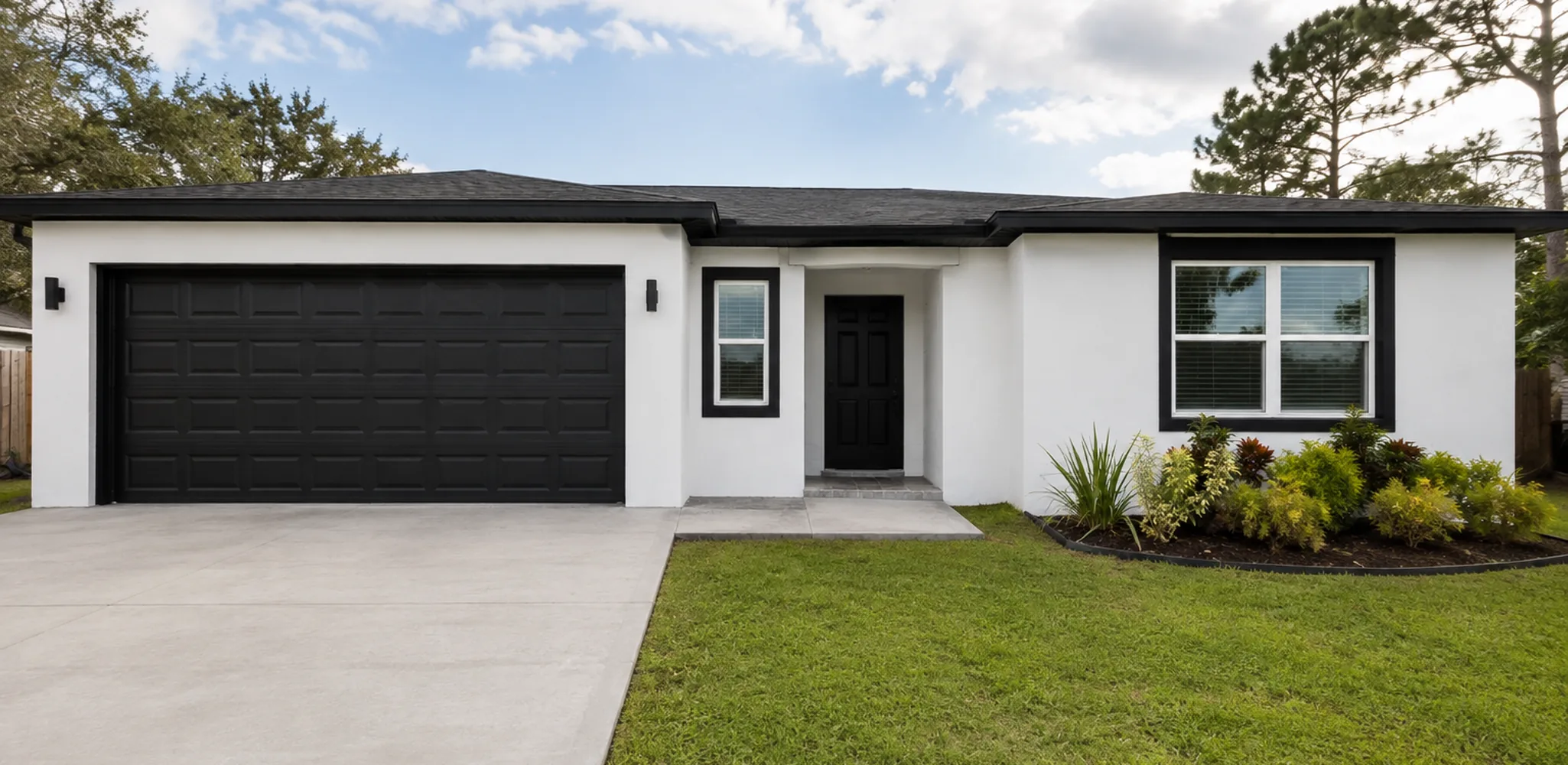
Exterior and front of house in Tampa
In a historic district, windows, doors, porch and siding go to the city first. Almost everywhere in Tampa, a new window means impact glass.
Exterior and front of house →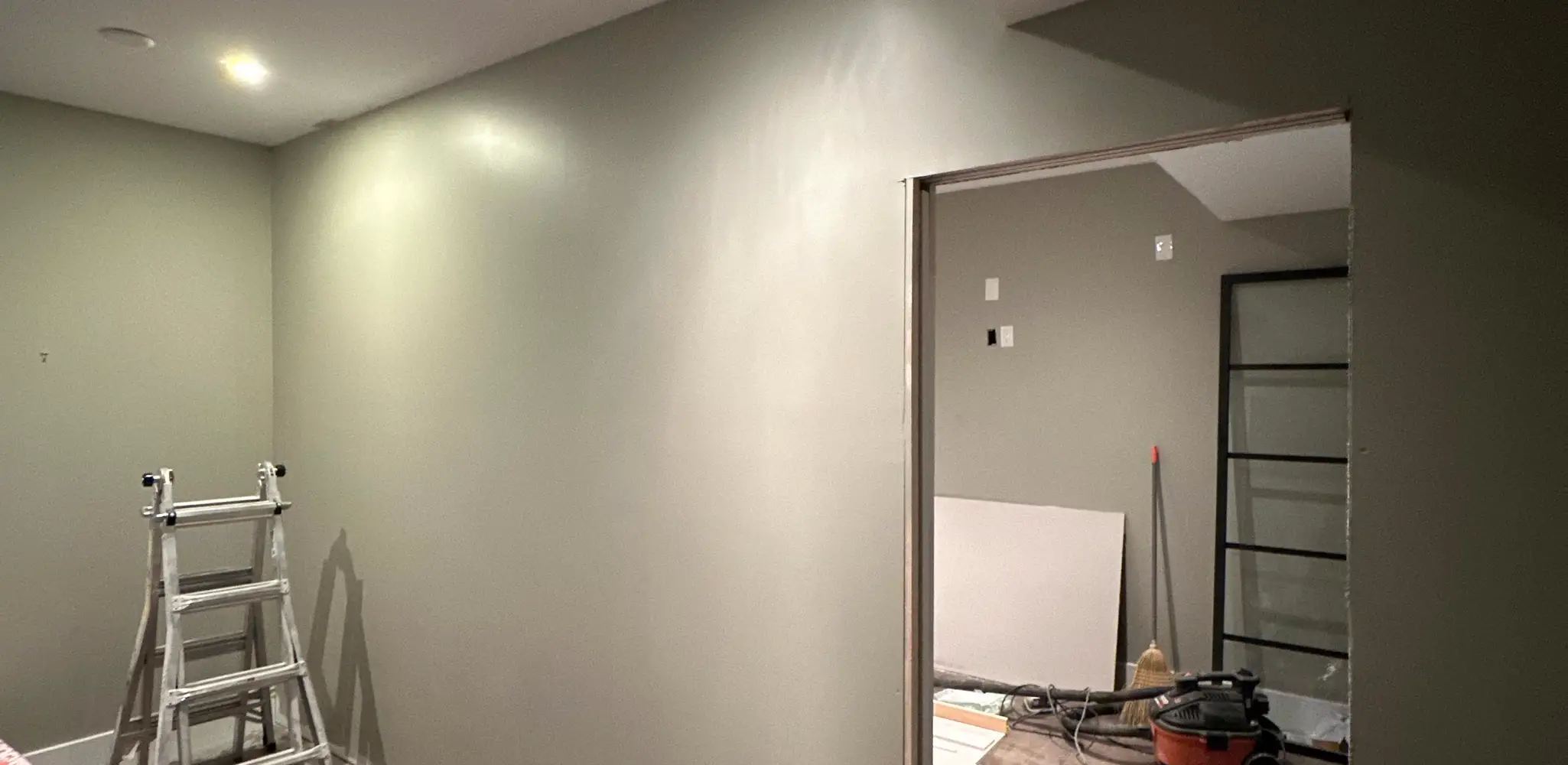
Home remodeling in Tampa
In flood zone A or V, a remodel over half the value of the home triggers the 50 percent rule. We check that line before we write the scope.
Home remodeling →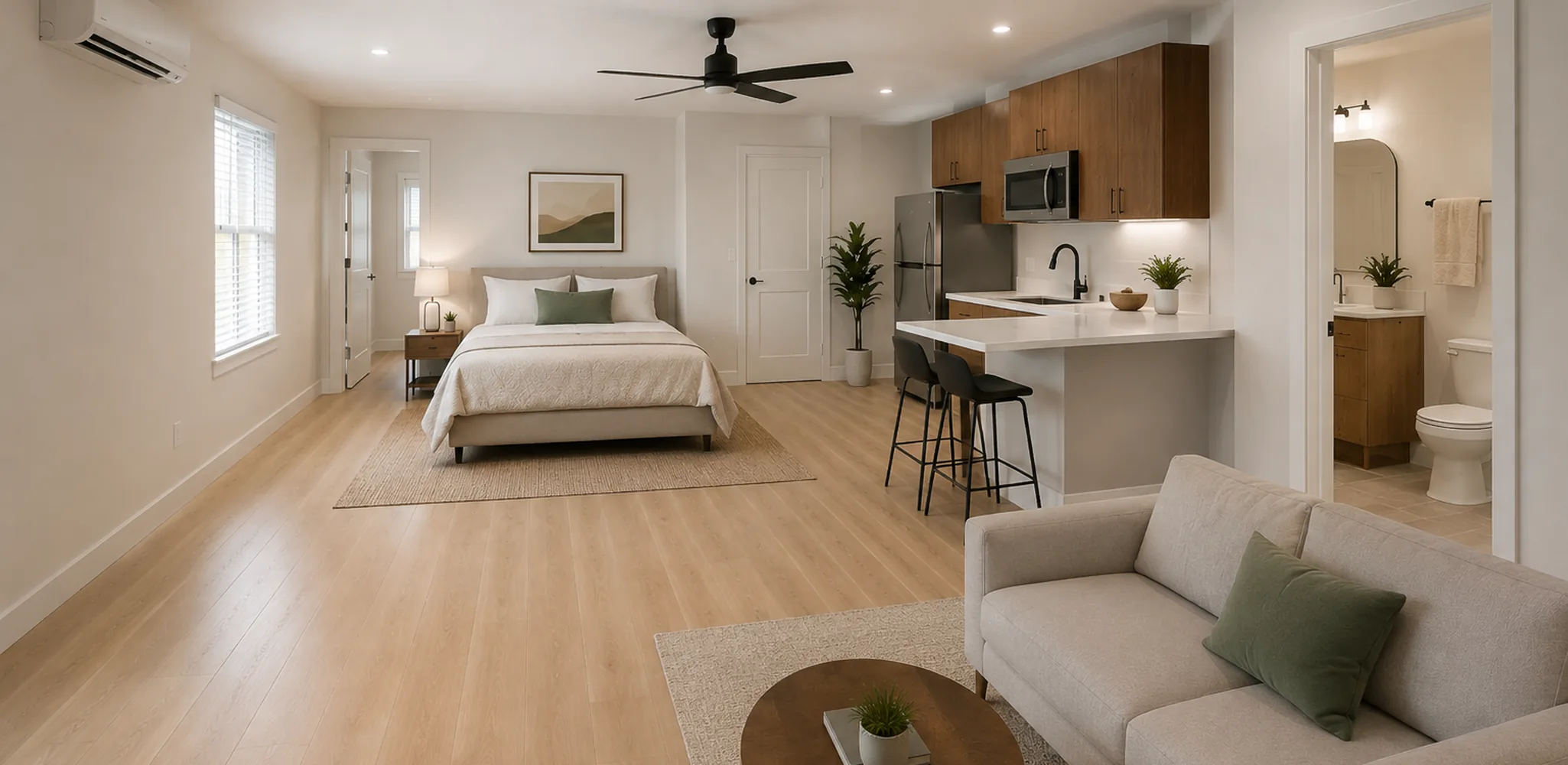
Garage conversion in Tampa
In zone A or V, the conversion counts toward the 50 percent rule. In an HOA like Tampa Palms, any change to the outside goes to the committee first.
Garage conversion →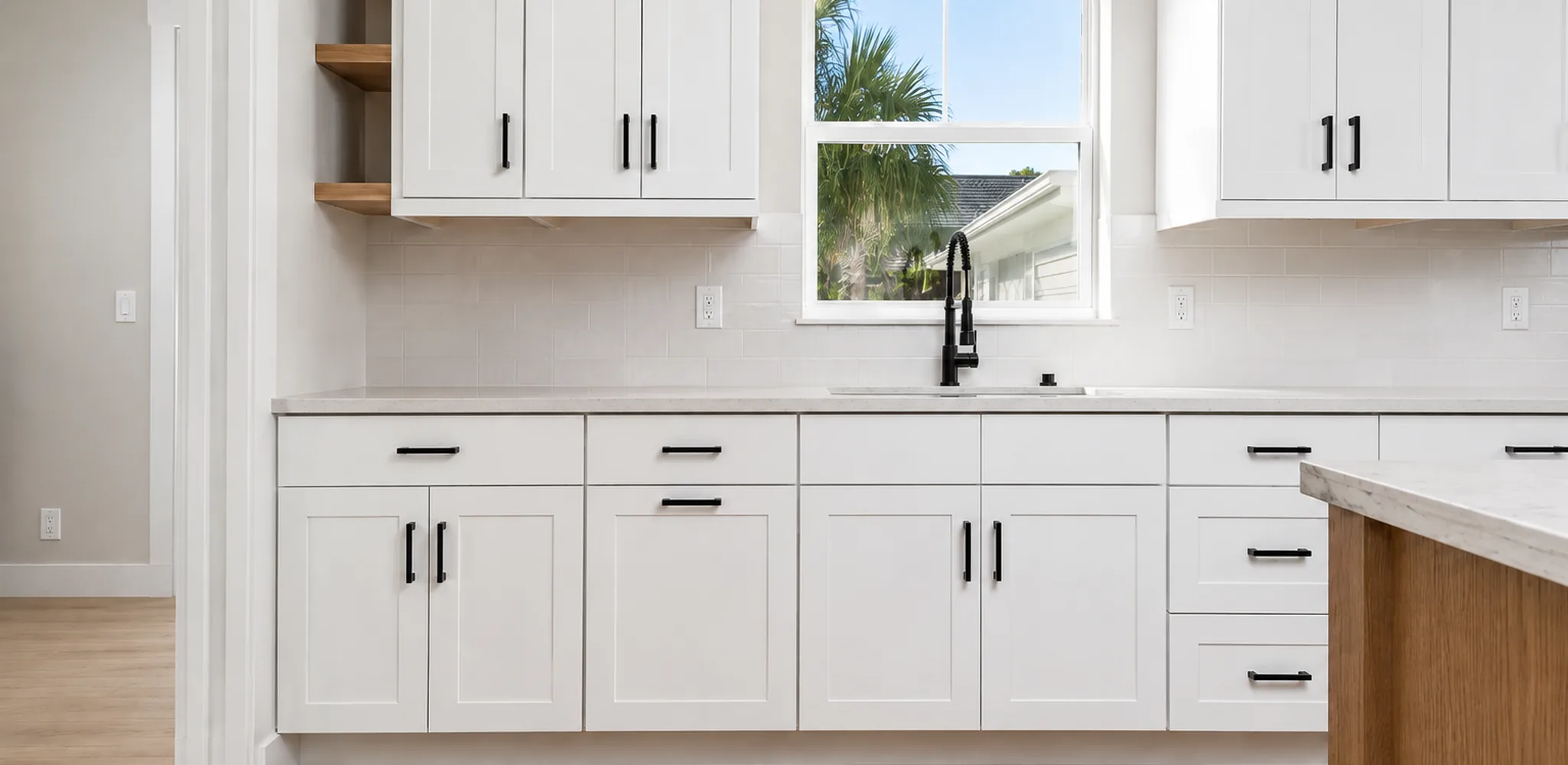
Cabinet installation in Tampa
Cabinets are interior work, so no district commission looks at them. In an old kitchen we measure every wall before a single box is ordered.
Cabinet installation →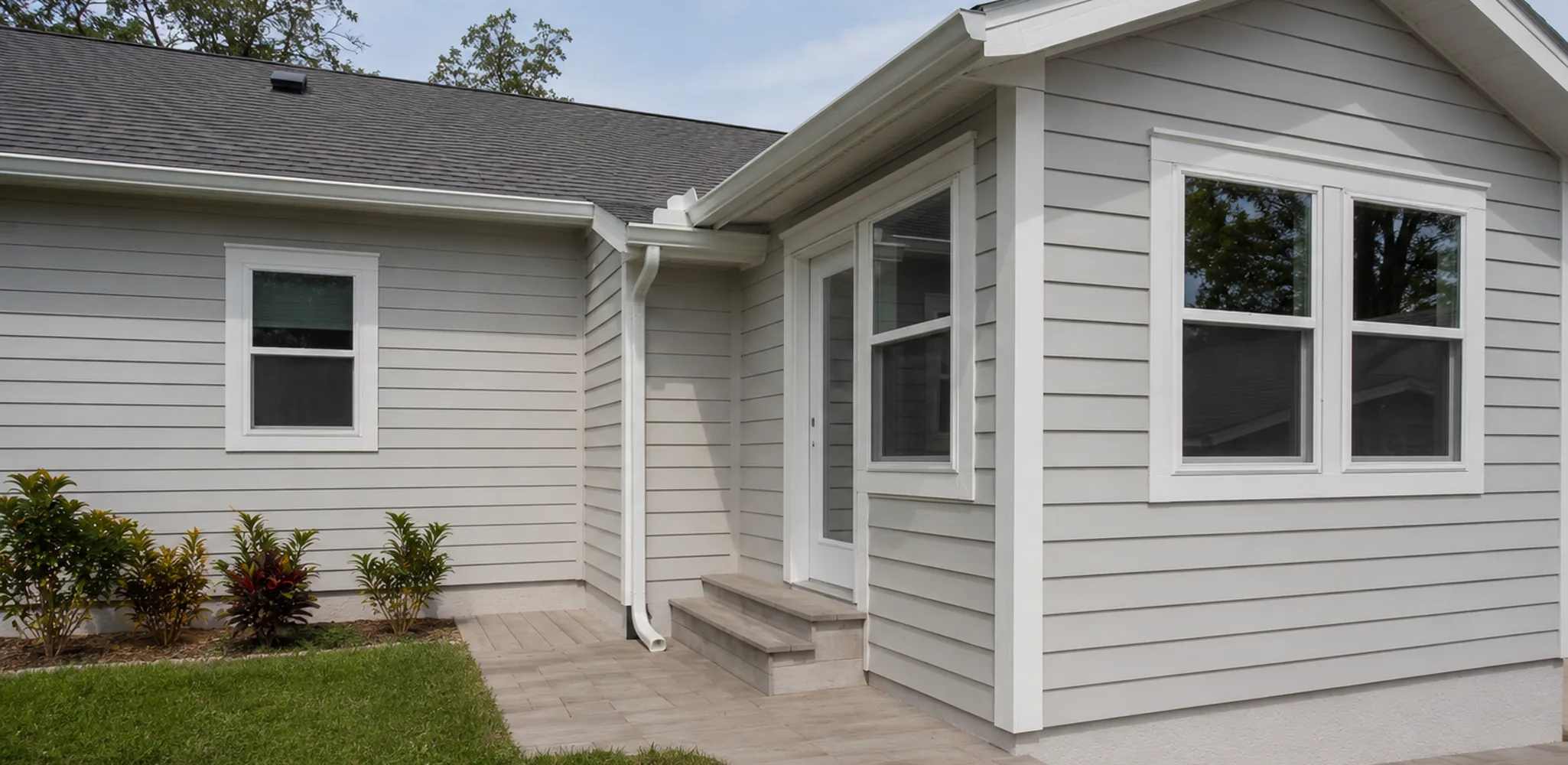
Home additions in Tampa
An addition in a historic district needs a Certificate of Appropriateness. In a flood zone it counts toward the 50 percent rule, so the value check comes first.
Home additions →Questions we get from Tampa homeowners.
Six things that change when the house is in Tampa. Each answer comes from a public source, and each one changes how we scope the job and what it costs.
Sources: the Census, FEMA, the City of Tampa, the Florida Building Code and the city water report. Listed at the foot of this page.
Is a Tampa house built before 1960 more expensive to remodel?
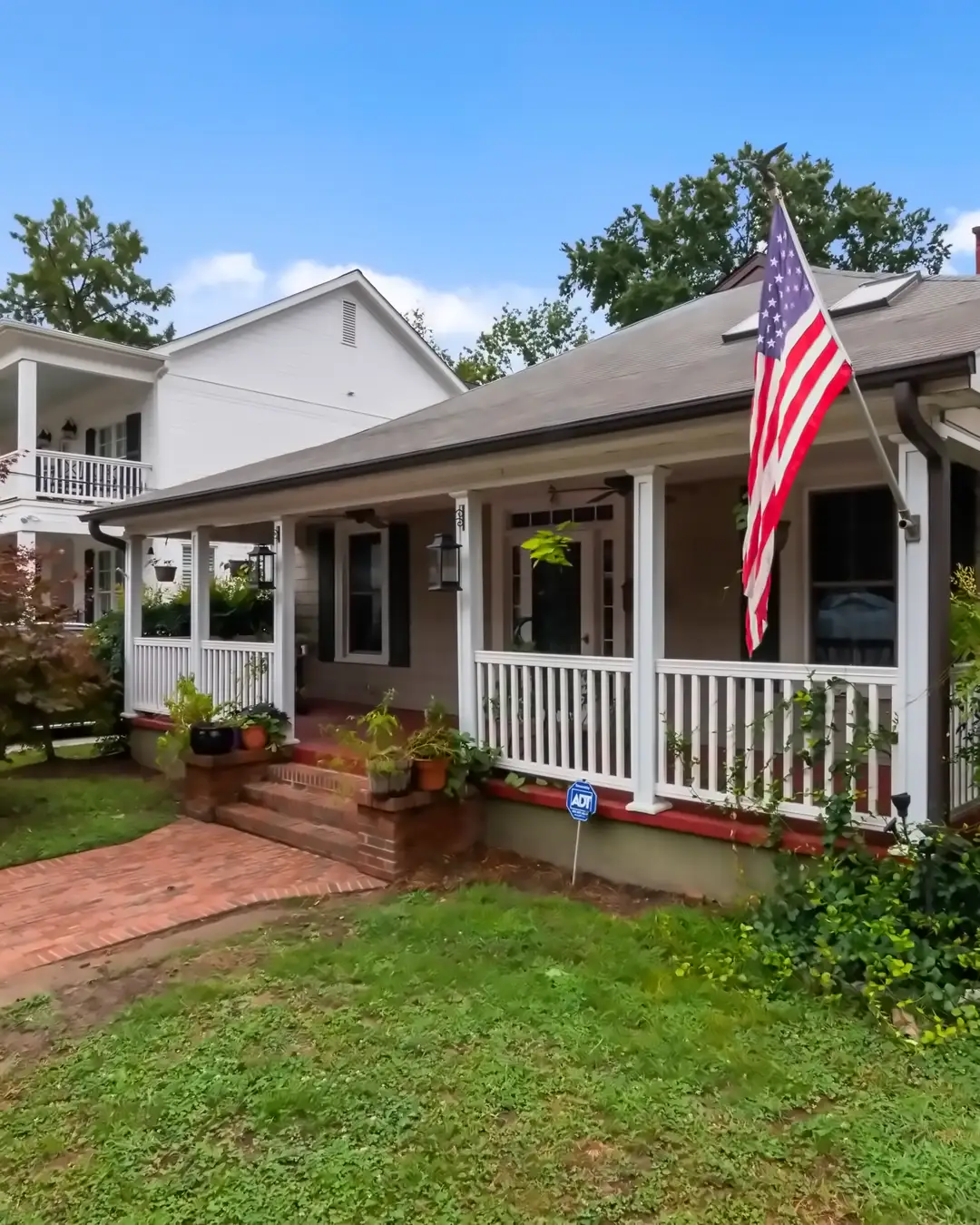
Often, yes, and the reason is what sits behind the wall. One in four homes in the city went up before 1960. Almost one in ten is from before 1940. Those are the bungalows of Seminole Heights, Tampa Heights, Ybor, Palma Ceia and Hyde Park. They have wood or block walls, single pane windows, and small bathrooms with the original tile. An old house hides more than a new one. We open it before we price it, not after. That is why the walkthrough comes first.
Is my Tampa house in a flood zone, and what is the 50 percent rule?
Much of South Tampa is. FEMA maps put more than a thousand blocks of the city in zone AE, with wave zones along the bay. Davis Islands sits on dredged fill, and Palma Ceia on sand that drains badly. The city has a rule for zone A and zone V. If a repair or remodel costs more than half the value of the house, the rule kicks in. The whole house has to come up to code, including raising it above the base flood level. So in those zones we check the value of the house before we scope a big job.
Do I need city approval to change windows or doors in Seminole Heights or Hyde Park?
Yes. Hyde Park, Seminole Heights, Tampa Heights and Ybor City are local historic districts. Any change to the outside of a house there needs a Certificate of Appropriateness from the city. Windows, doors, porches, siding and a roof you can see from the street all go through it. Replacement windows have to match the old glass pattern and fill the whole opening. Paint color does not need the certificate. Interior work does not either. Neither do door hardware or outside lights. We tell you which side of that line your job is on before you pick anything.
What if my house is in an HOA in New Tampa?
The big HOAs are in New Tampa, and Tampa Palms is the model. Every change to the outside of the house goes to a committee first, with the plans. Repainting in the approved colors skips that step. Interior work is free. If the committee does not answer in 45 days, the plan counts as approved. We build that wait into the schedule so it does not surprise you.
Why does a new window in Tampa need impact glass?
Because of where the wind line falls. The Florida Building Code draws a wind speed line through the county. Every part of the old city is on the 140 mph side. Only New Tampa falls just under it. That puts most of Tampa in the windborne debris zone. When a window or door is replaced with a permit, it needs impact glass or approved protection. A window job in Tampa is an impact window job. We quote it that way from the start, so the number does not jump later.
Is Tampa water hard, and what does it do to a new bathroom?
Yes. The city water report for 2024 puts average hardness at 10.8 grains per gallon. Water over 7 grains counts as hard. It comes from the Hillsborough River, and it gets harder in the dry season. Hard water leaves scale on glass, tile and fixtures. It shows up first in the shower and on the faucet. In a bathroom or kitchen we tell you which finishes hide the scale and which show it every week. That choice is made in the scope, not after the first month.
Where we work
Hillsborough, Pinellas, Pasco, Manatee and Sarasota counties. If your town is not on this list, call and ask: the answer is often yes.
The same five steps on every Tampa job.
Never hourly, never a verbal number. Serving Hillsborough, Pinellas, Pasco, Manatee and Sarasota counties.